
This year, we found ourselves returning to four themes in particular, from the choices collectors are making to the ways artists and galleries are rethinking how art is presented, understood and experienced. In this editorial, we share some of the ideas and moments that stood out to us, offering a glimpse of what made this year’s Frieze Week particularly interesting.
20 Oct 2026 5 min read
Frieze Week 2026: What Caught Our Attention
As autumn gets underway, Frieze Week brought us a welcome burst of energy and inspiration, memorable works and conversations about where the art world is heading.
Frieze London 2026
The market paradox: Daring art can still sell
Frieze London gave us an intriguing counterpoint to the idea that collectors gravitate towards familiar names and established artists.
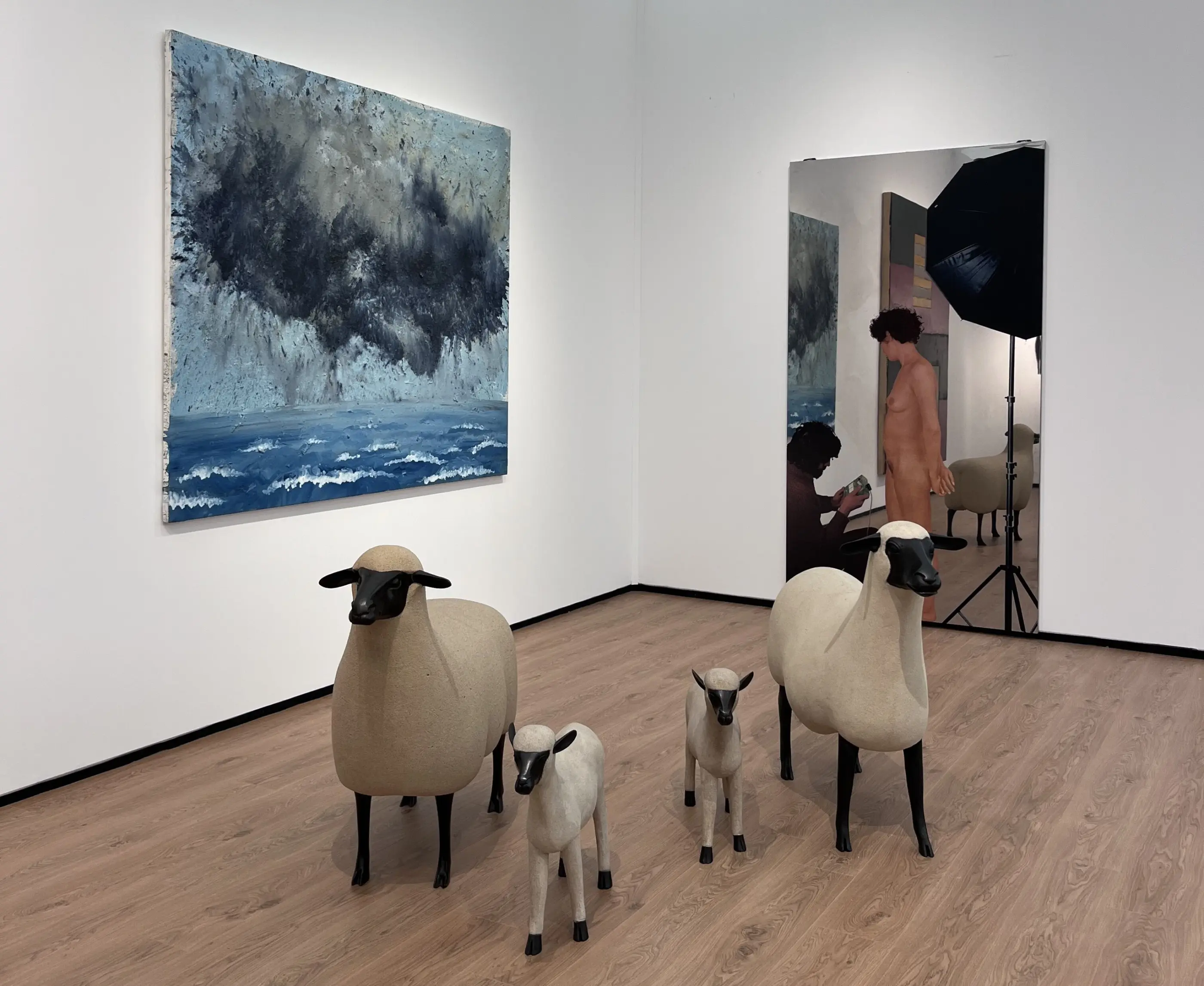
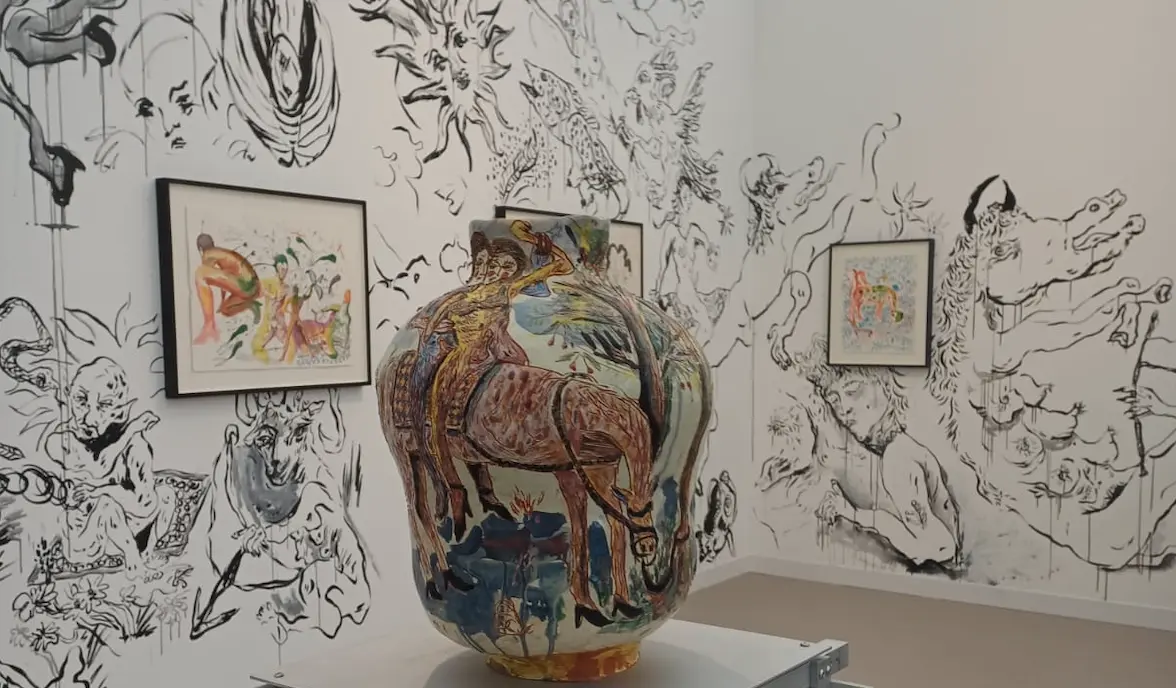
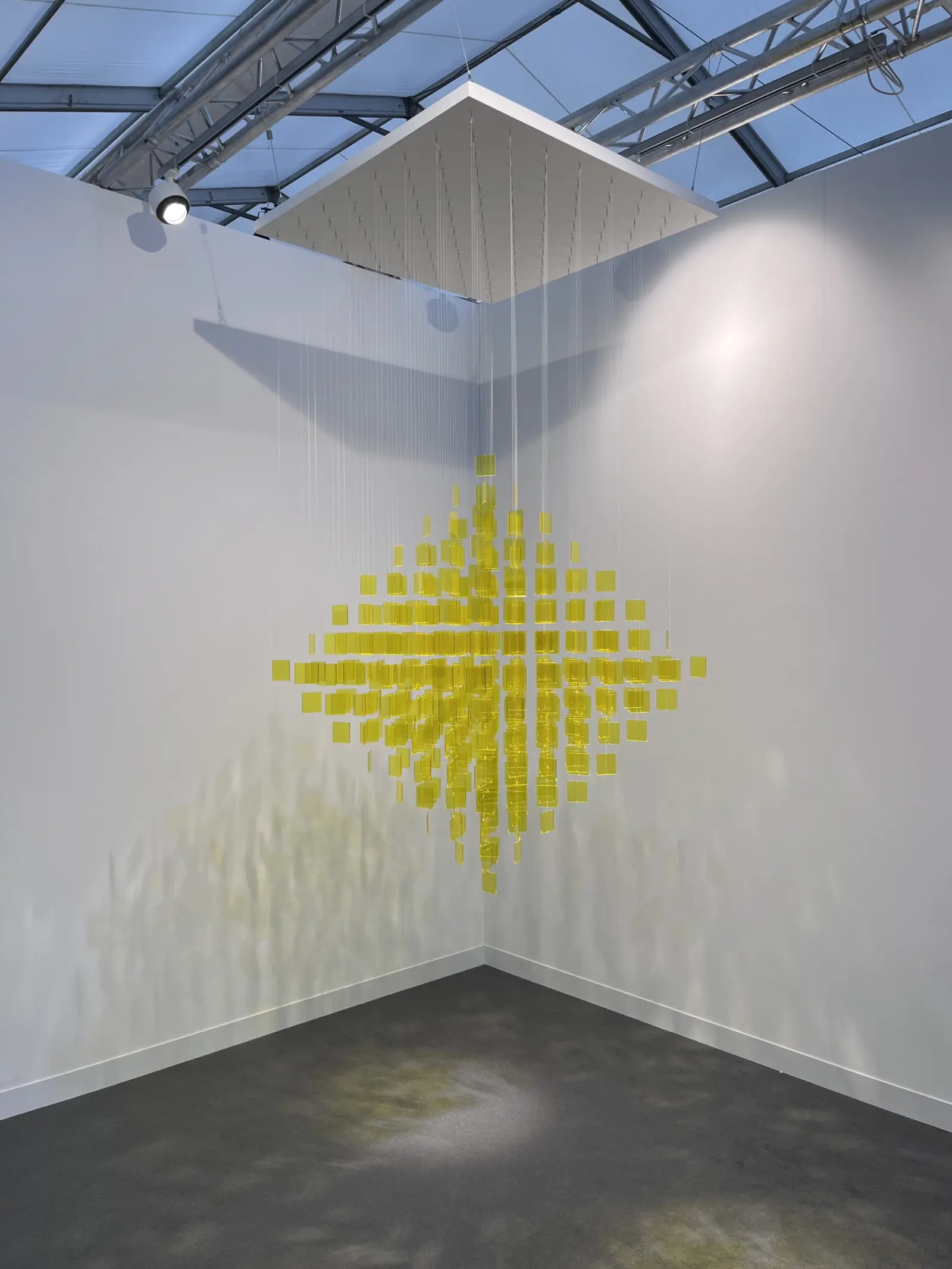
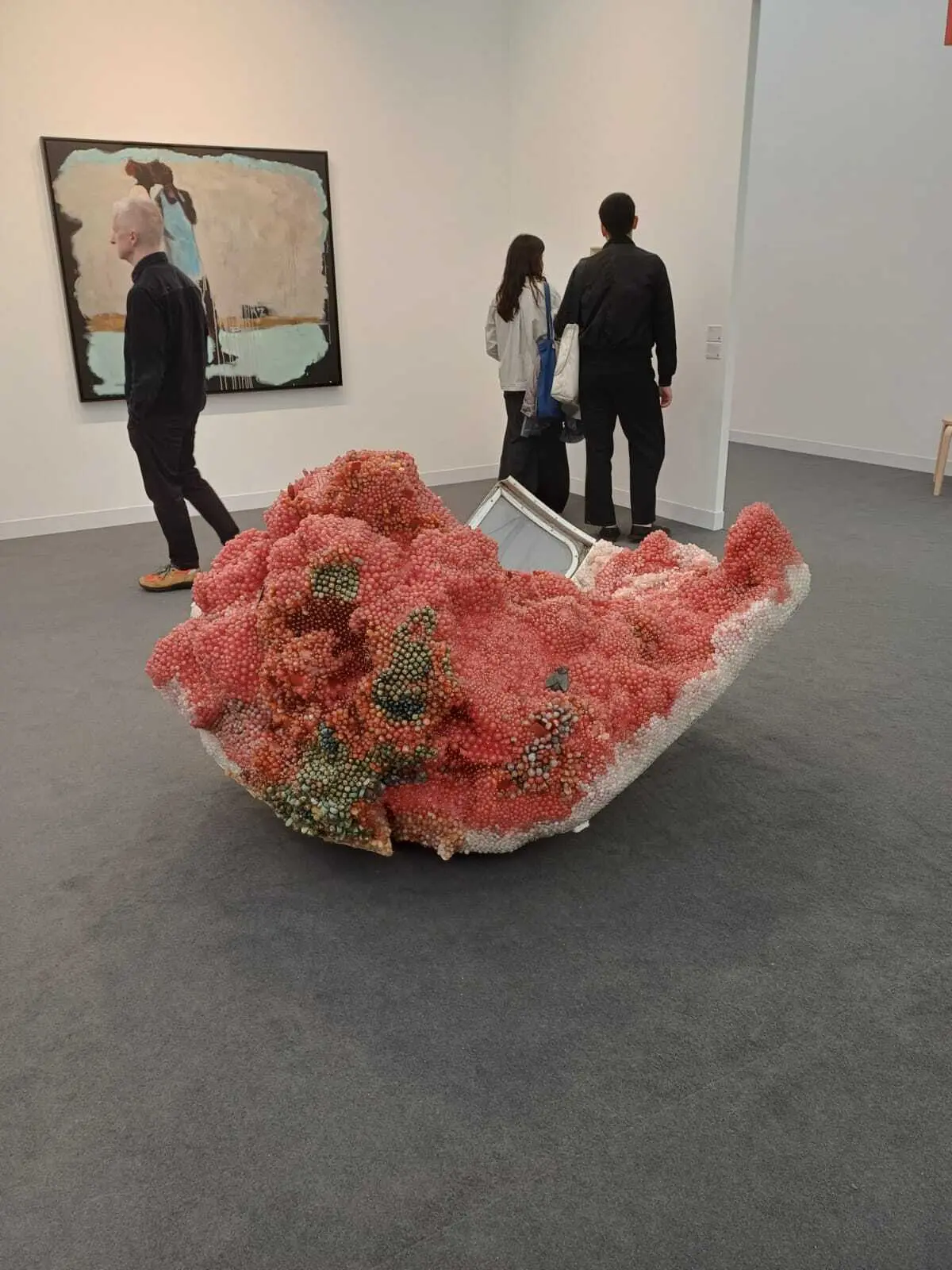
We saw that while some blue-chip galleries leaned on the proven appeal of presenting more established artists, smaller galleries offered a reminder that presenting experimental, conceptually ambitious art could also translate into strong sales. In fact, one London-based gallery sold its entire stand of conceptual works by the end of the VIP preview day.
Frieze London 2026
The contrast suggests that collectors’ appetite for the unconventional is there, and that even the most challenging art can find buyers when it presents a distinctive perspective at a price point collectors feel comfortable exploring.
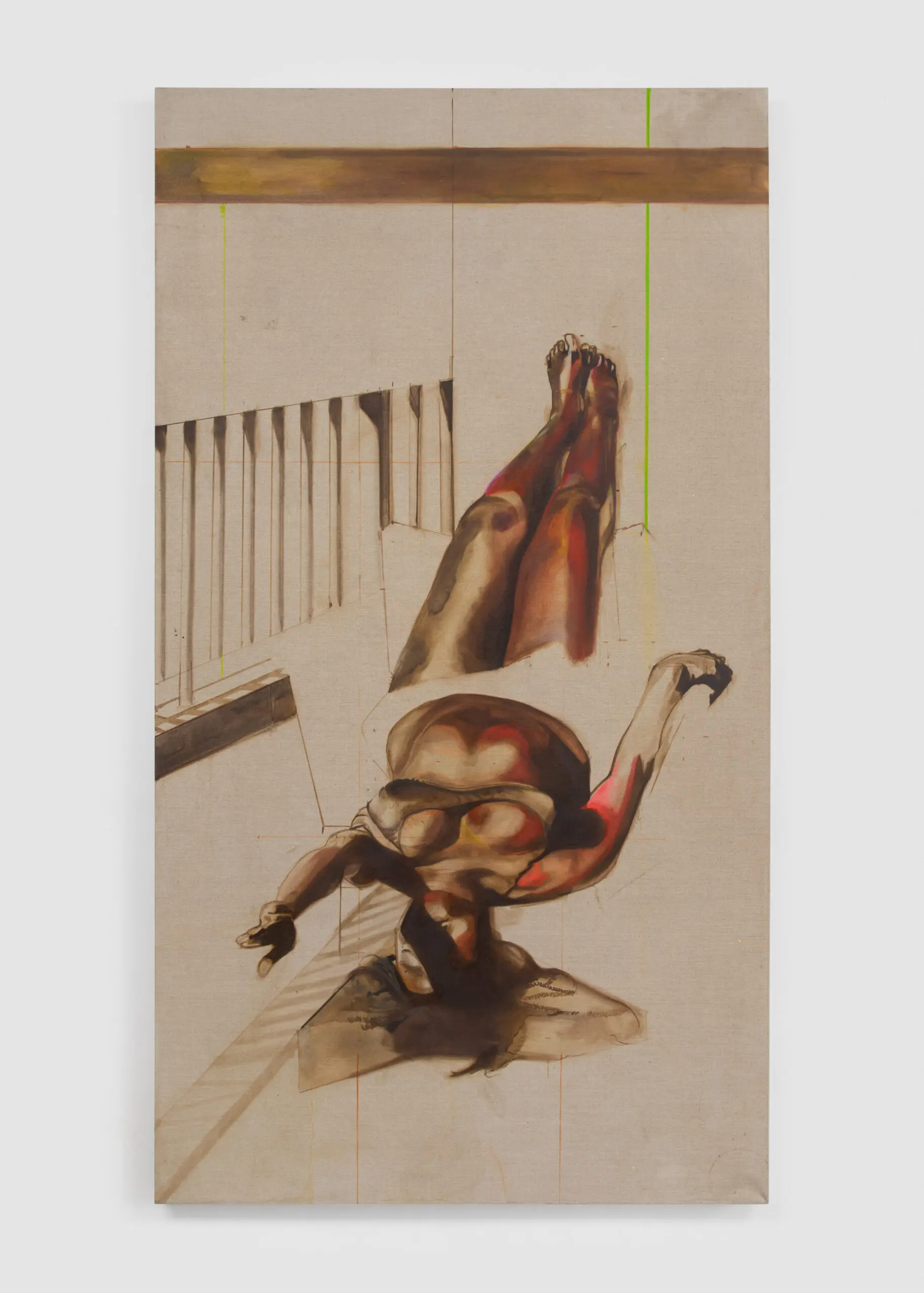
Okiki Akinfe, Fame Is A Gun, 2026,
More than selling art
When it comes to art fairs, shouldn’t we measure their success by the opportunities they create for artists, and not only by sales?
Frieze London 2026 offered two examples of how art fairs can help connect artists with public collections. The inaugural £30,000 Dasha Shenkman Focus Fund prize went to Okiki Akinfe. Her painting Fame is a Gun, along with a lightbox and preparatory drawing, will enter the collection of Abbot Hall in Kendal.
Meanwhile, their collaboration with the Contemporary Art Society (CAS) brought works by Claudia Alarcón and the Silät collective, Karimah Ashadu and Gala Porras-Kim, into the collection of The Whitworth in Manchester.
Through initiatives like these, art fairs can help artists gain institutional recognition, secure museum acquisitions and open up career-changing opportunities, bringing their work to audiences beyond the commercial market.
Expanding the story of modern art
One of the most interesting things happening at art fairs, besides discovering new artists, is the reinterpretation of artists we thought we already knew.
This year, Frieze Masters introduced Queering Modernism: Visual Languages of the 20th Century, a curatorial thread exploring the work of LGBTQ+ artists across countries and generations. Curated by Anke Kempkes, the initiative offered a fresh perspective on modern art history, bringing identity, representation, and cultural context into focus.
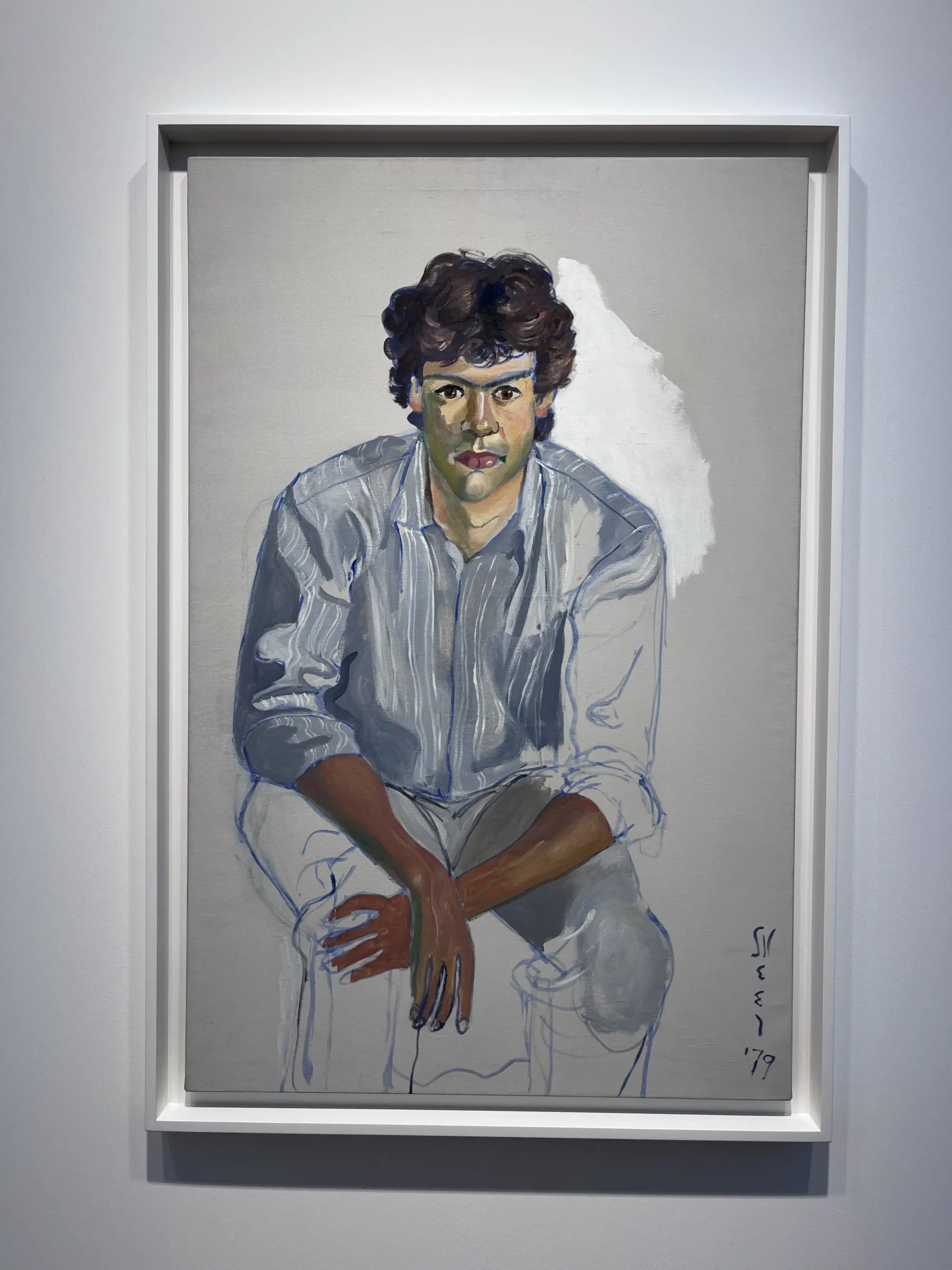
John Cheim, 1979 by Alice Neel
It also highlighted the significant role galleries and curators play in researching, preserving and presenting works that might otherwise receive less recognition or risk being overlooked.
Rethinking the art fair model
Across Frieze Week, experimentation extended beyond the artworks themselves to the ways artists present their work.
Alongside established galleries, the launch of Fair Play introduced an alternative artist-led model for exhibiting and selling art. Instead of charging artists an upfront stand fee, it takes a commission on sales, with artists managing their own presentations.
These projects don’t necessarily mean a move away from galleries. Rather, they highlight an art ecosystem where different approaches can coexist and thrive. As new formats emerge, galleries remain vital in providing curatorial context, developing artists’ practices and building lasting relationships with collectors. The opportunity lies in understanding how these different models can contribute to a more dynamic and sustainable art world.
The works that stayed with us
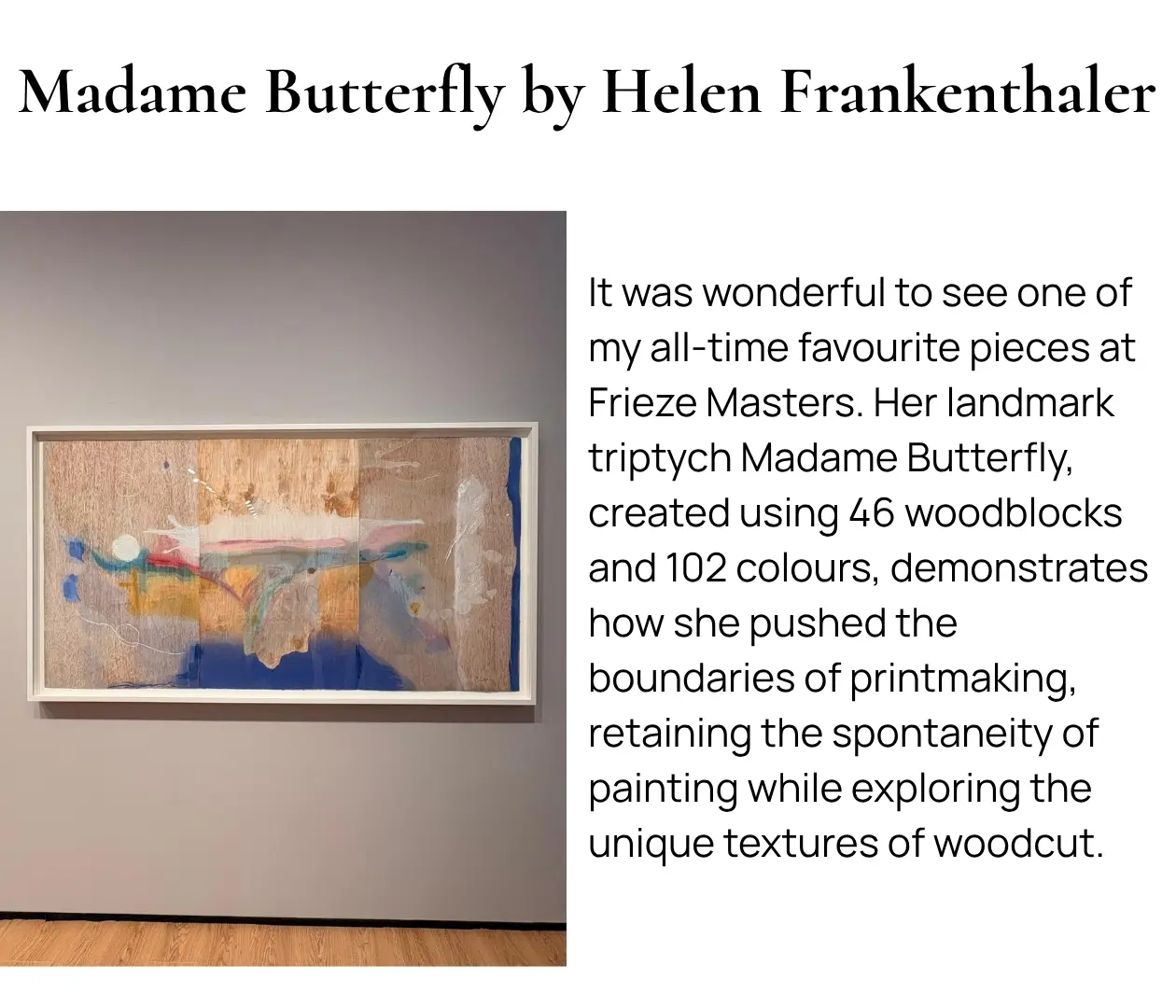
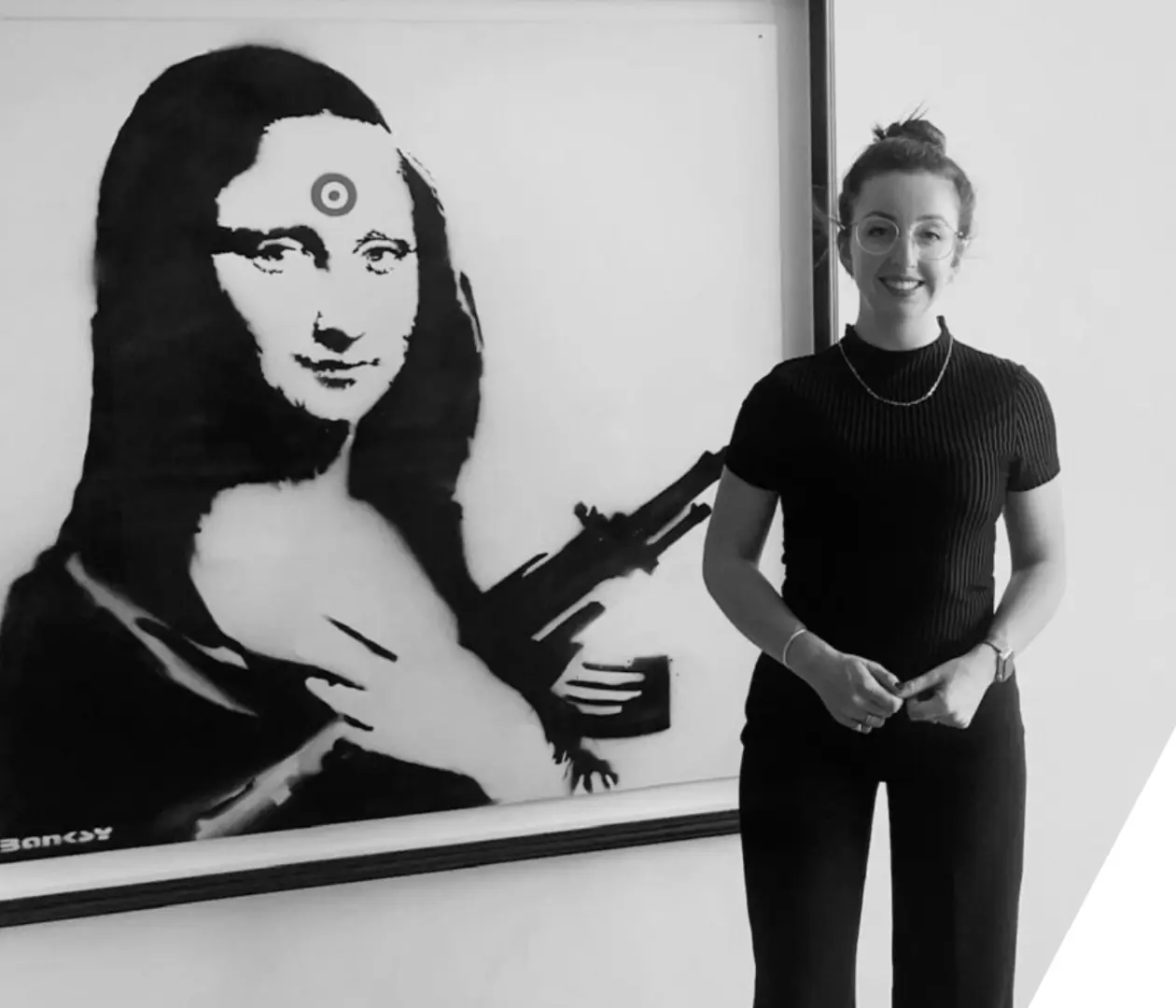
Madeleine White, Gallery Manager
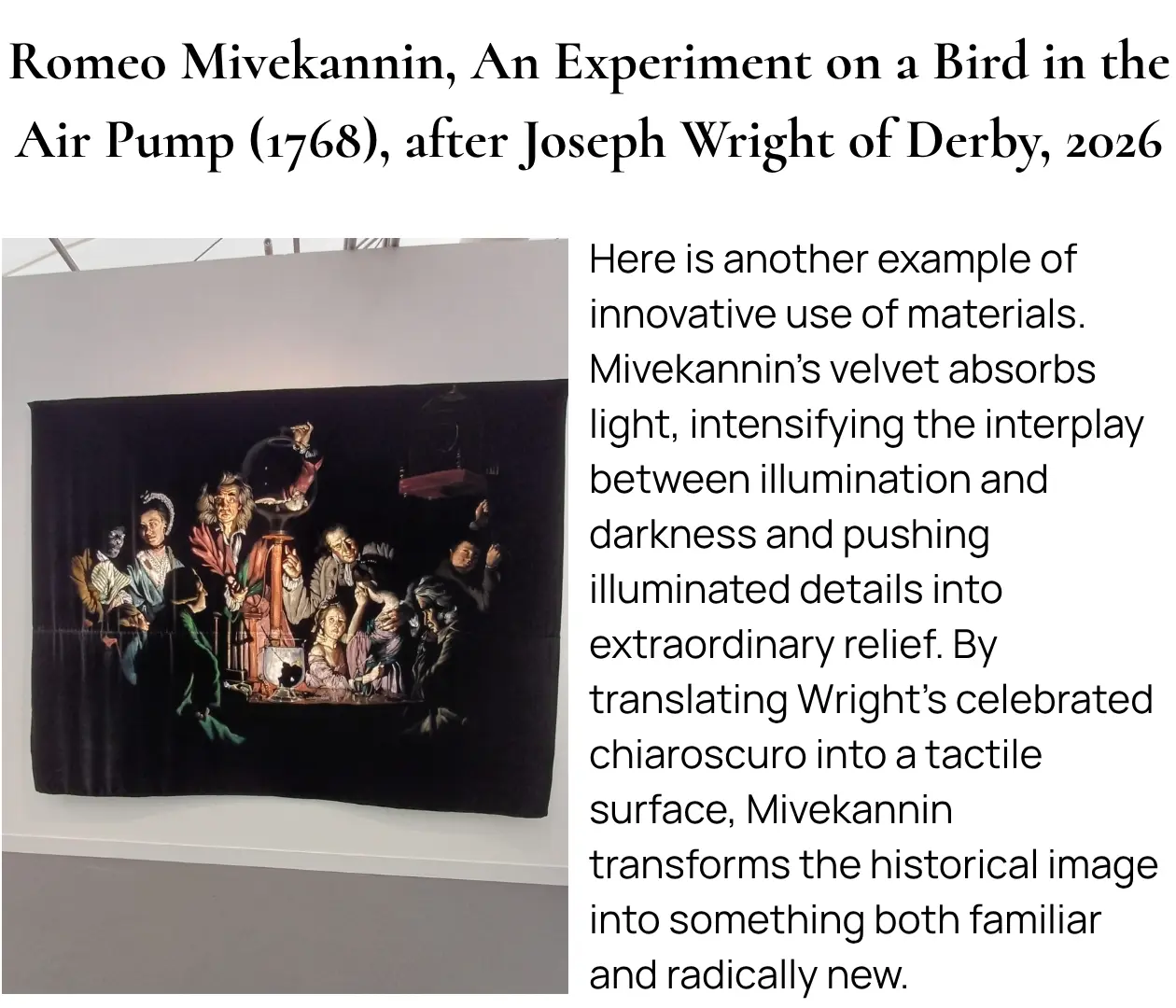
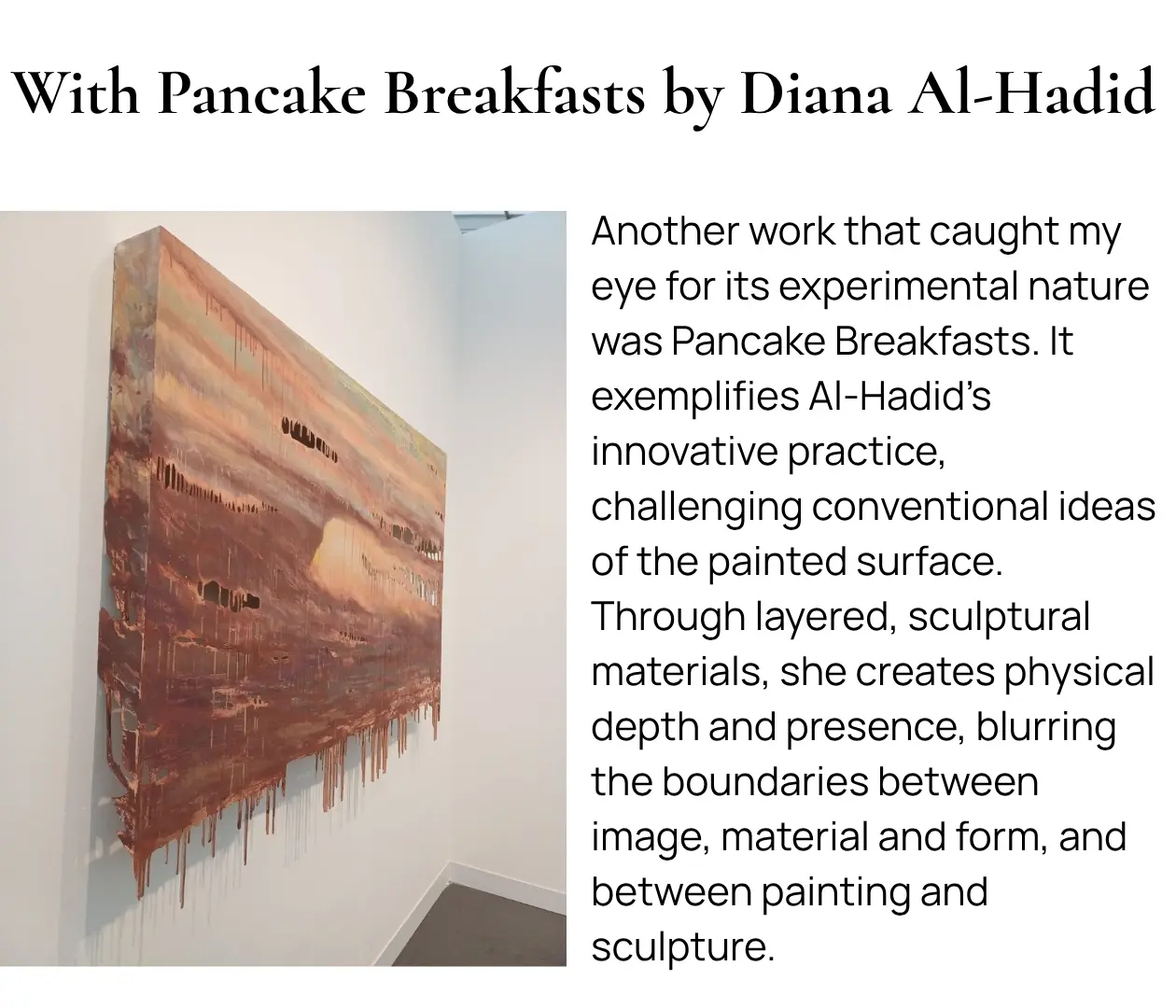
Helen Frankenthaler, Romeo Mivekannin and Diana Al-Hadid were Madeleine's Top Three
Charlotte Bain, Senior Art Advisor
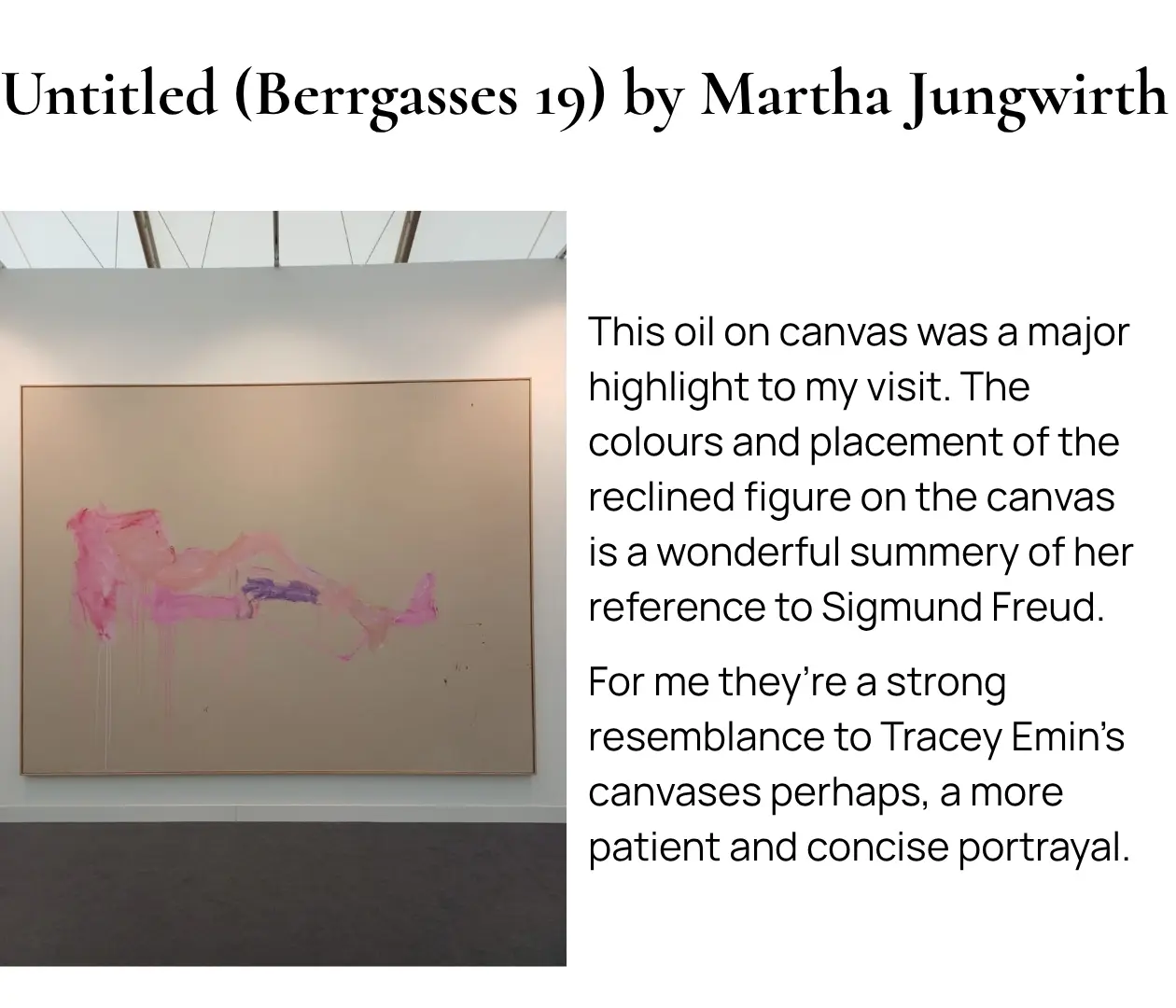
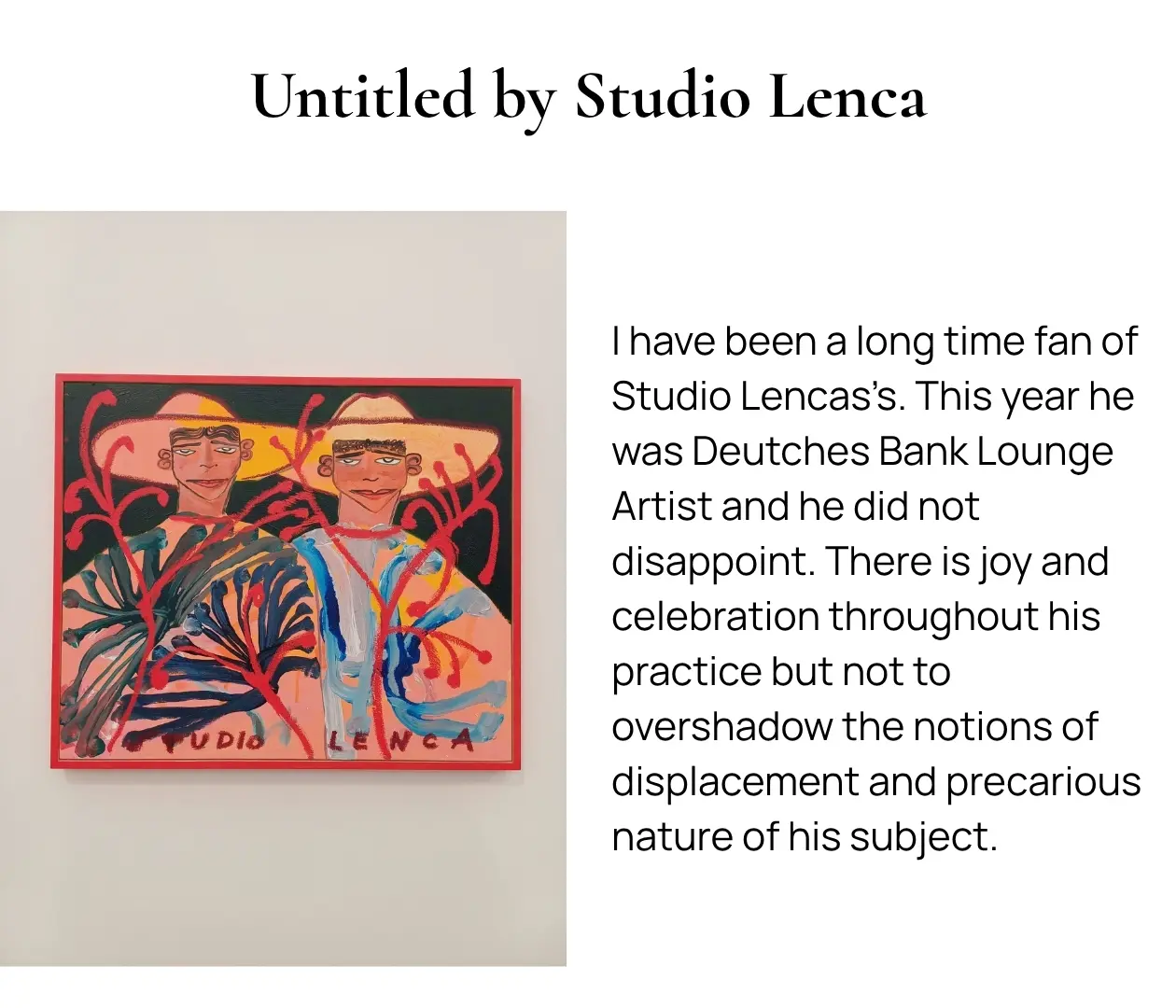
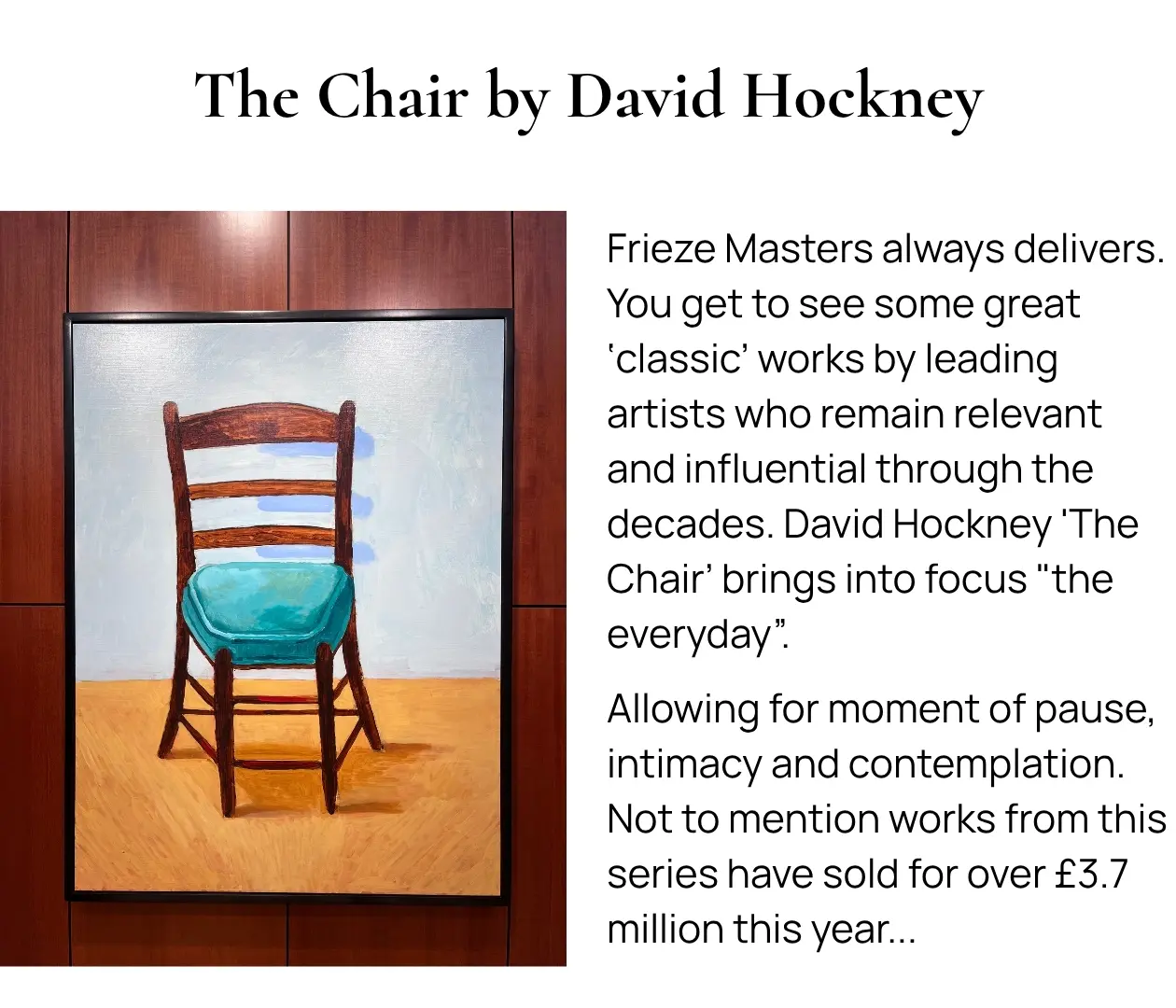
For Charlotte's David Hockney, Martha Jungwirth and Studio Lenca were the winners

Louis Denizet, Secondary Market & Acquisitions
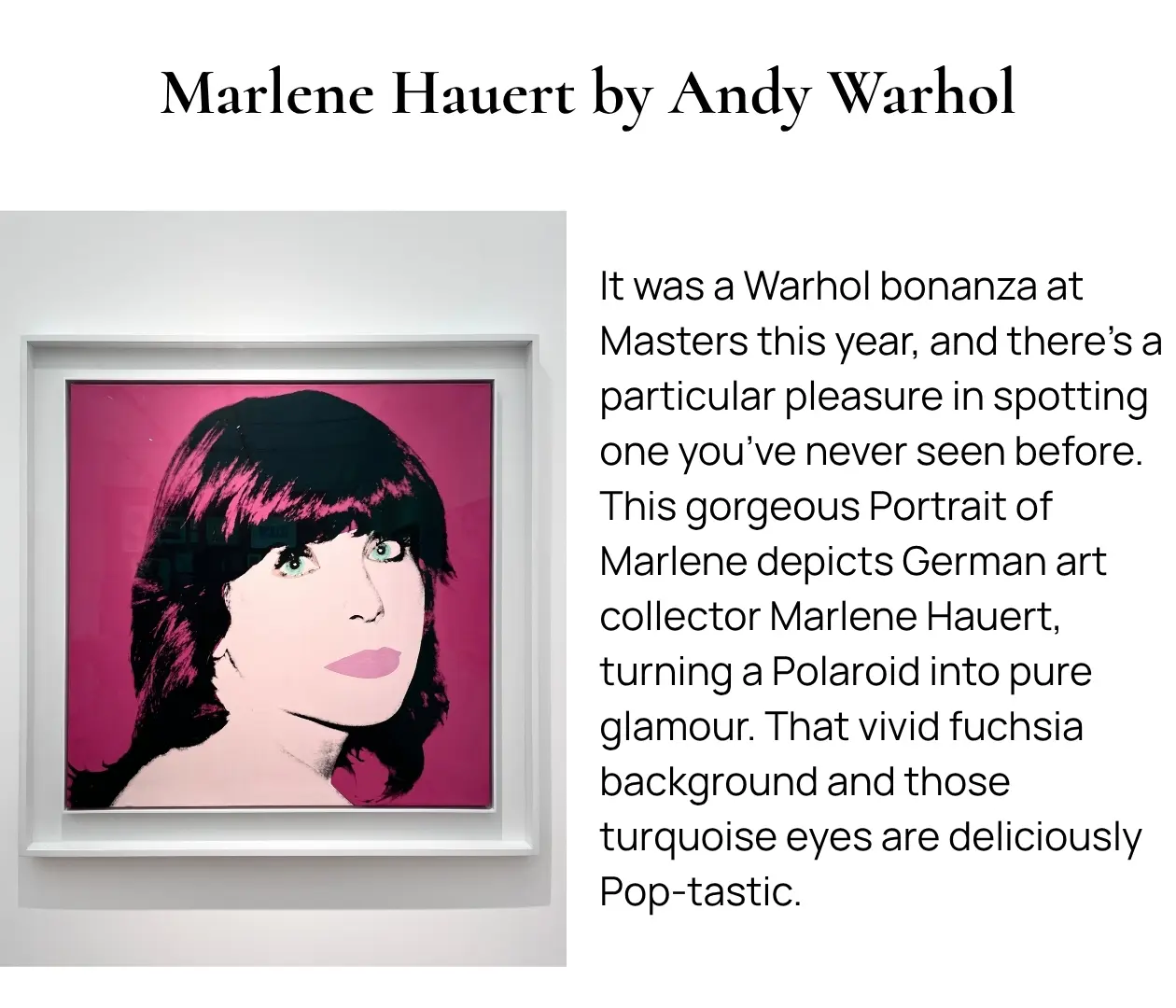
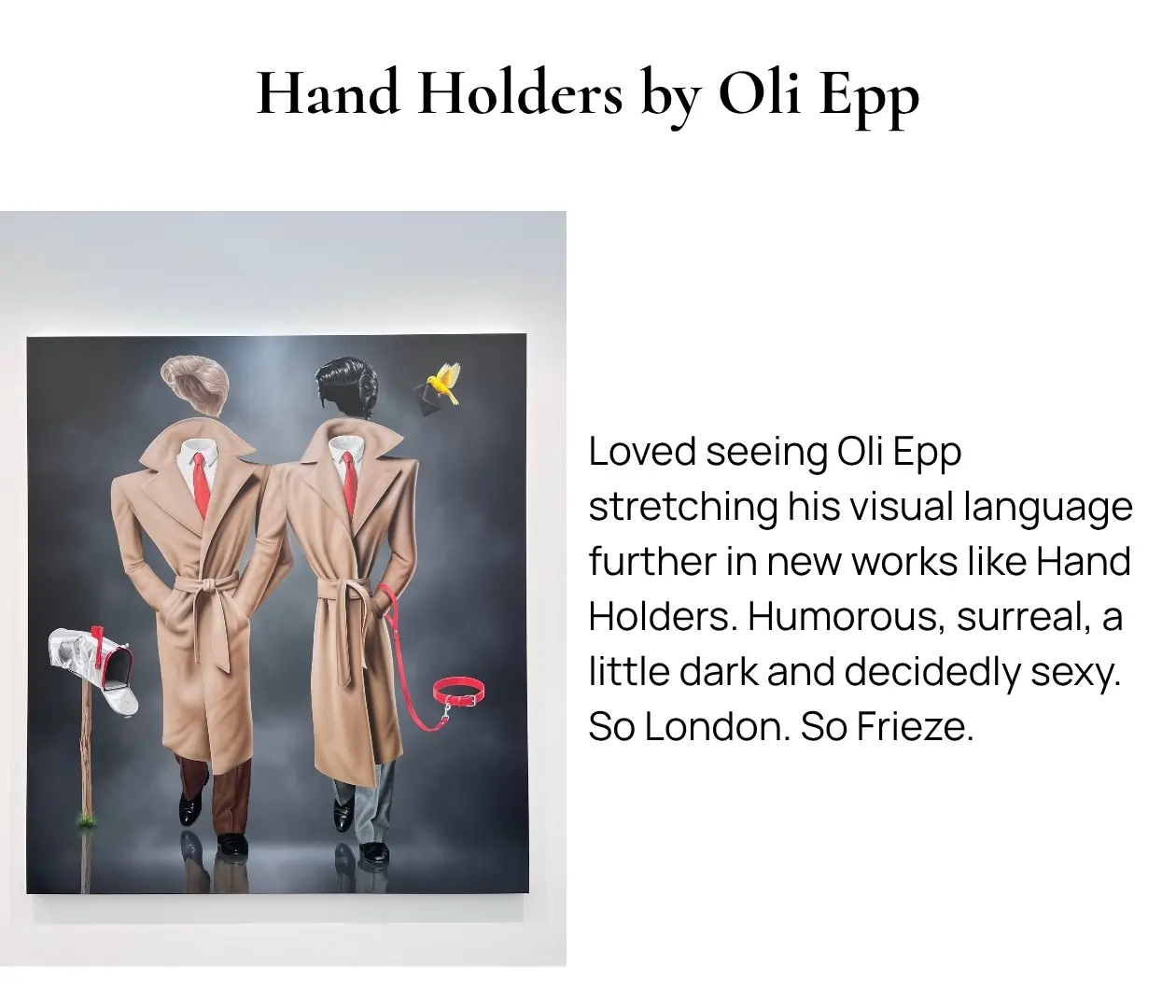
For Louis, Warhol, Alice Neel and Oli Epp
It’s been a rewarding week exploring the fairs and exhibitions across London, leaving us with plenty to reflect on as we return to our own work. The ideas, works and perspectives we encountered are a reminder of what continues to make the art world so compelling, and we’re already looking forward to seeing what Frieze Week 2027 will bring.
Contributors
Laura Rivas-Lopez
More from News
-

22 Sept 2026 3 min read
Inside the $6.7 Million Warhol Fraud, and What It Means for Collectors
Imagine spending millions on what you believe is a pristine collection of Andy Warhol prints, only to discover you've bought...
-
19 Aug 2026 5 min read
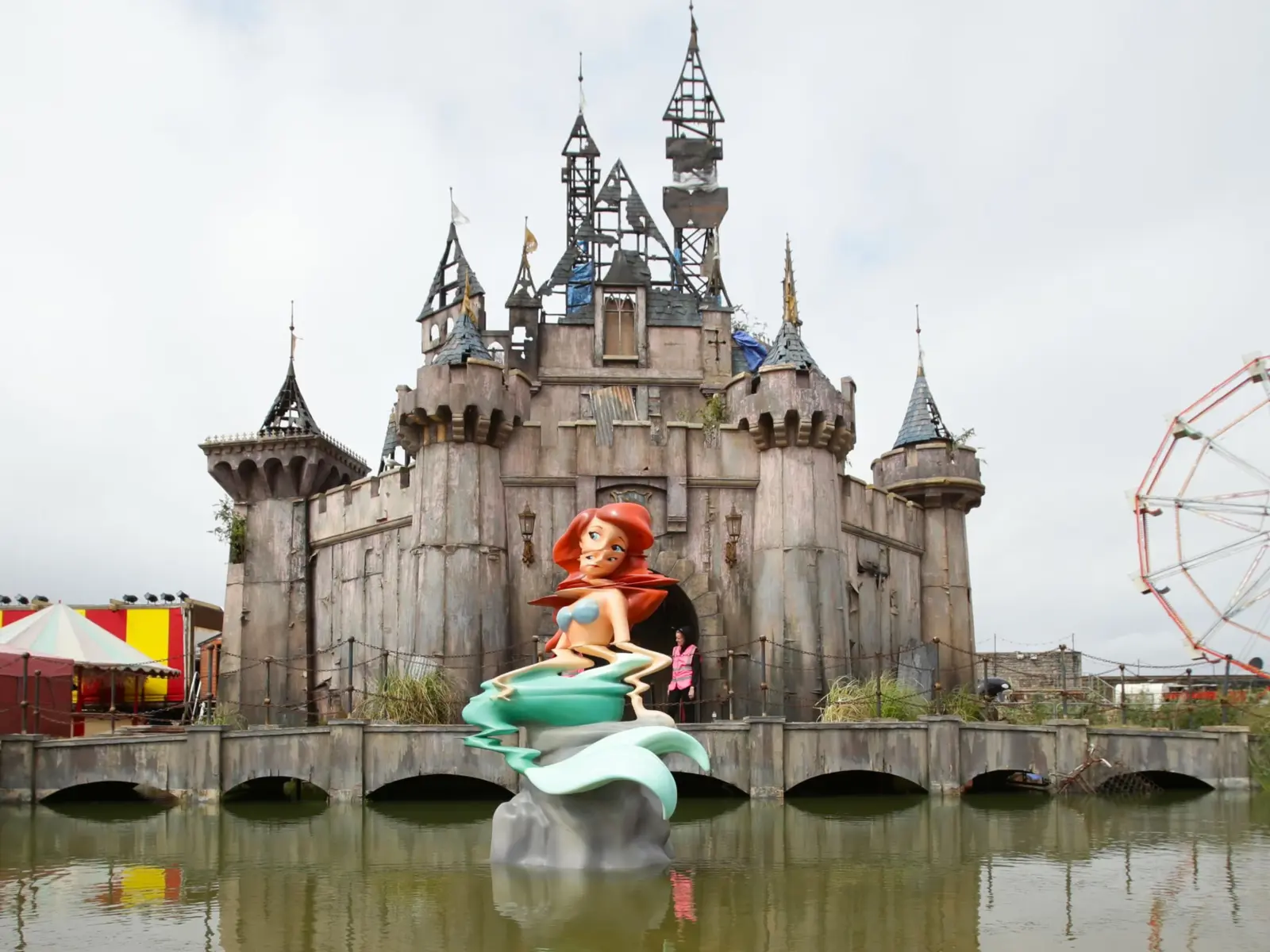
Banksy's Dismaland: Eleven Years on
In the summer of 2015, Banksy transformed a derelict seaside lido into Dismaland: a dystopian “bemusement park” combining art, spectacle...
-
11 May 2026 2 min read
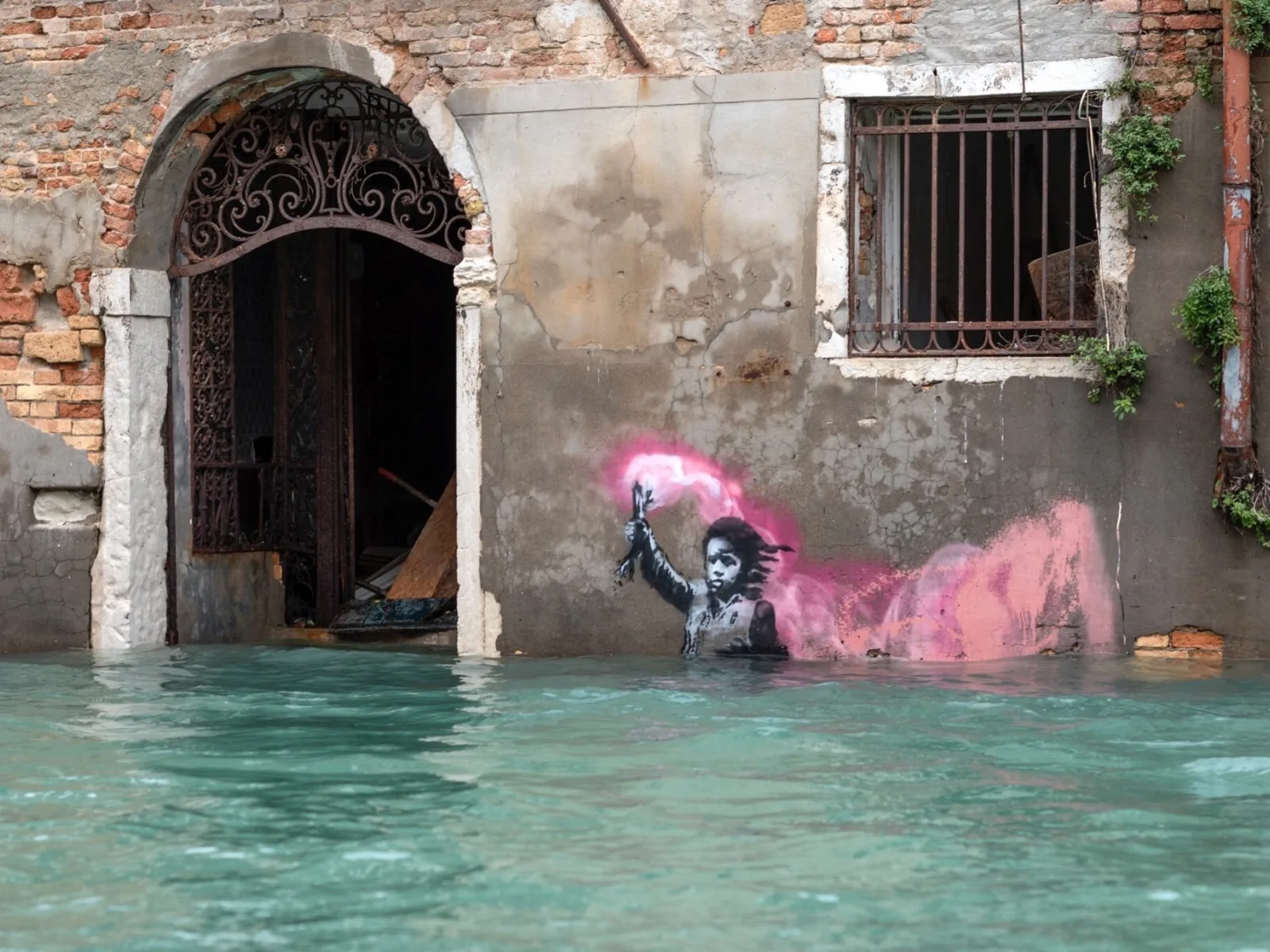
The Return of 'Migrant Child' in Venice
Banksy's 'Migrant Child' has been restored and will tour Venice.
-
22 Dec 2025 1 min read
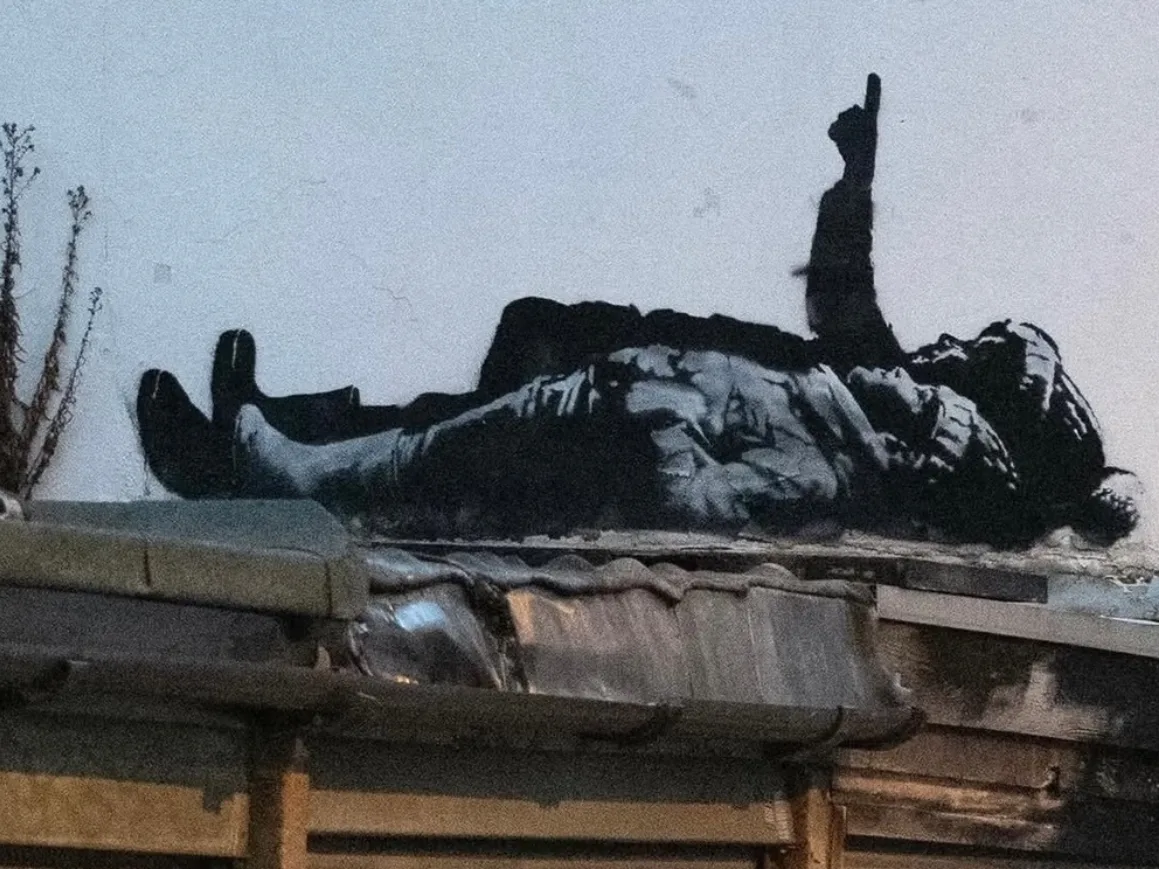
New Banksy's: Stargazing Children Become a Message on Homelessness
Two identical Banksy murals showing children lying on the ground and pointing at the stars have appeared in Bayswater and...
-
15 Dec 2025
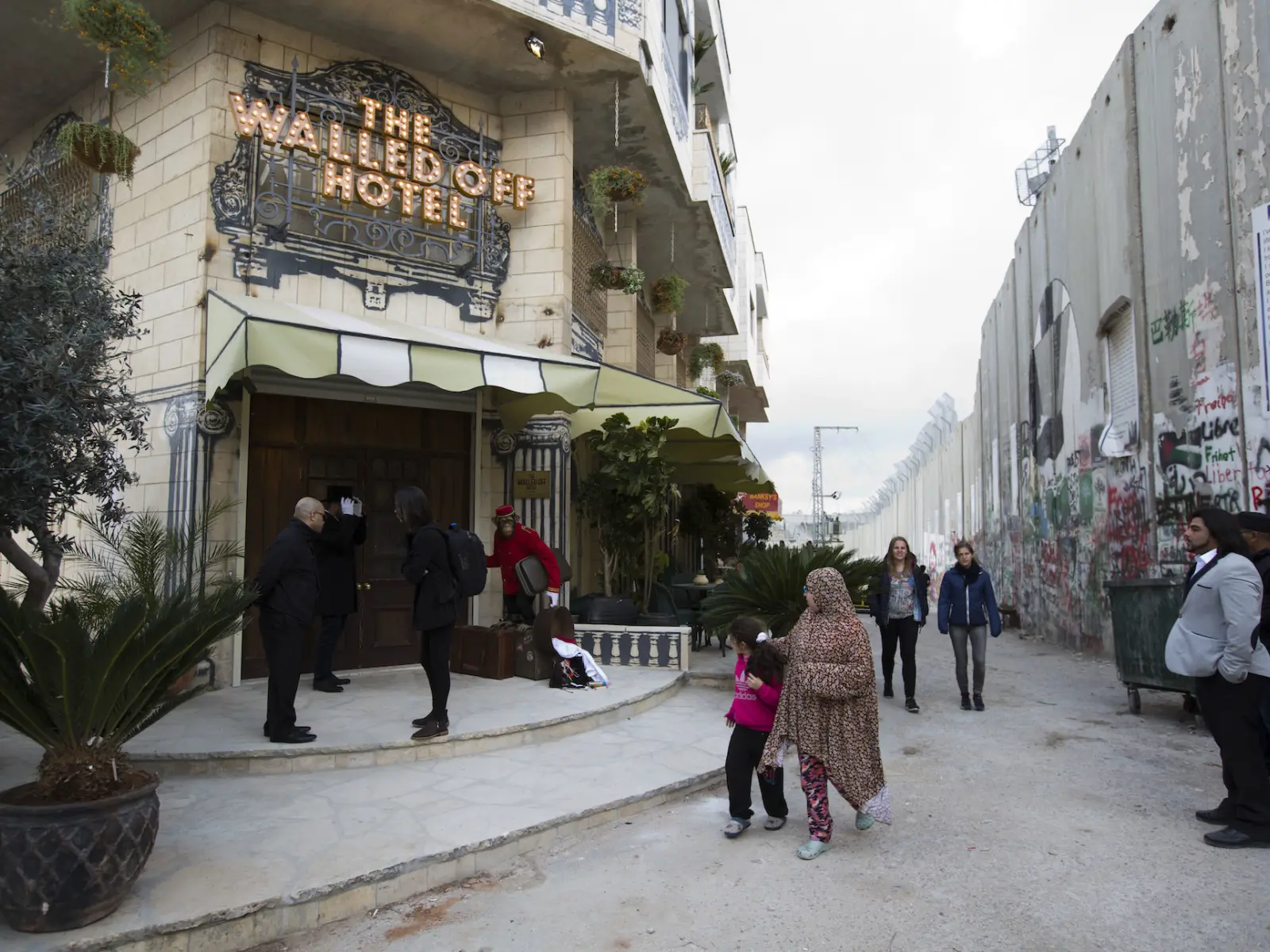
Banksy's The Walled Off Hotel Reopens
Banksy’s The Walled Off Hotel in Bethlehem has reopened after more than a year of closure, once again inviting visitors...
-
20 Oct 2025 3 min read
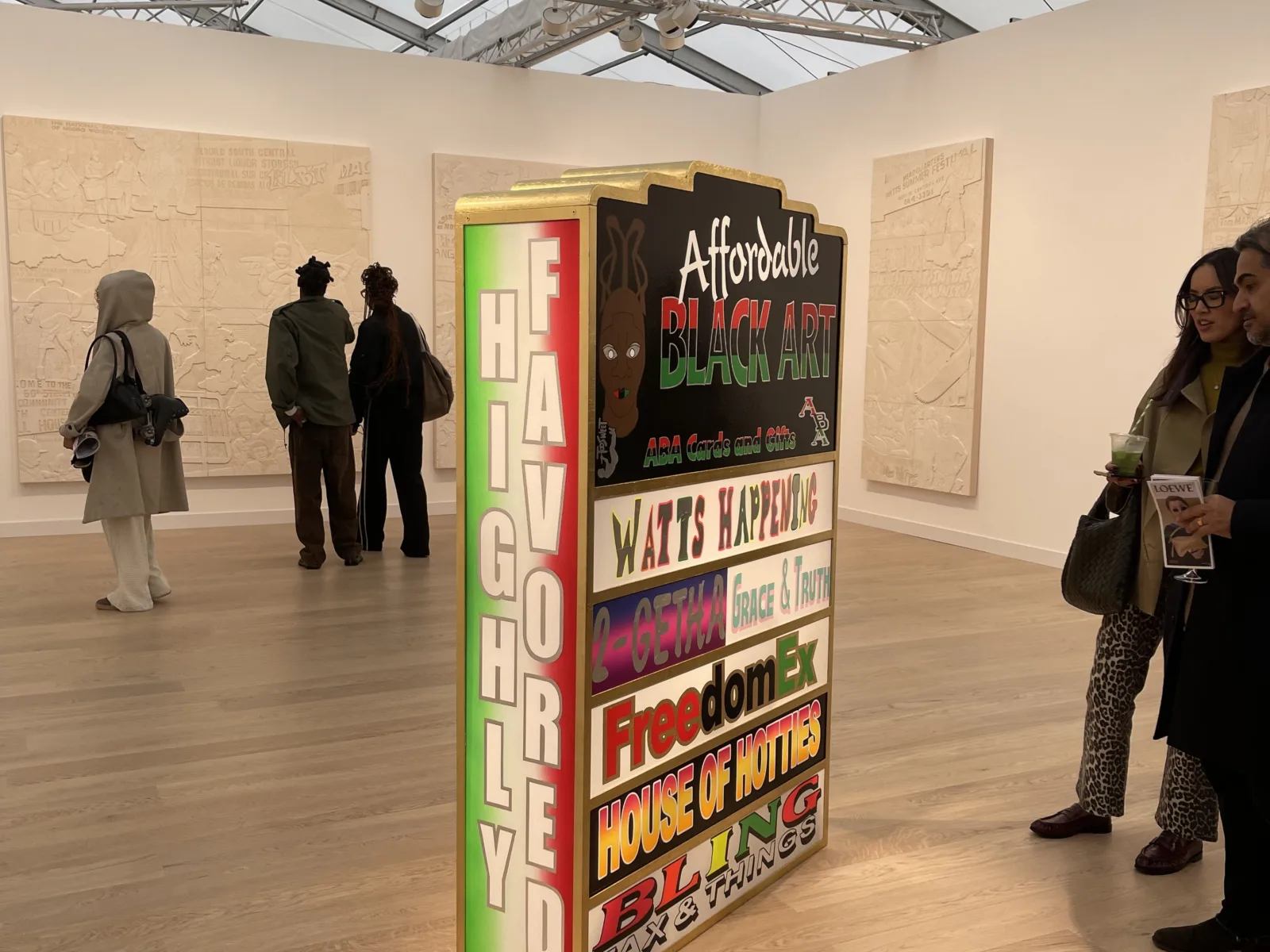
Post-Frieze Highlights: London’s Week of Art and Energy
Frieze Week 2025 reaffirmed London’s standing as a global art hub, with a confident yet considered market mood and strong...
-
08 Sept 2025 3 min read
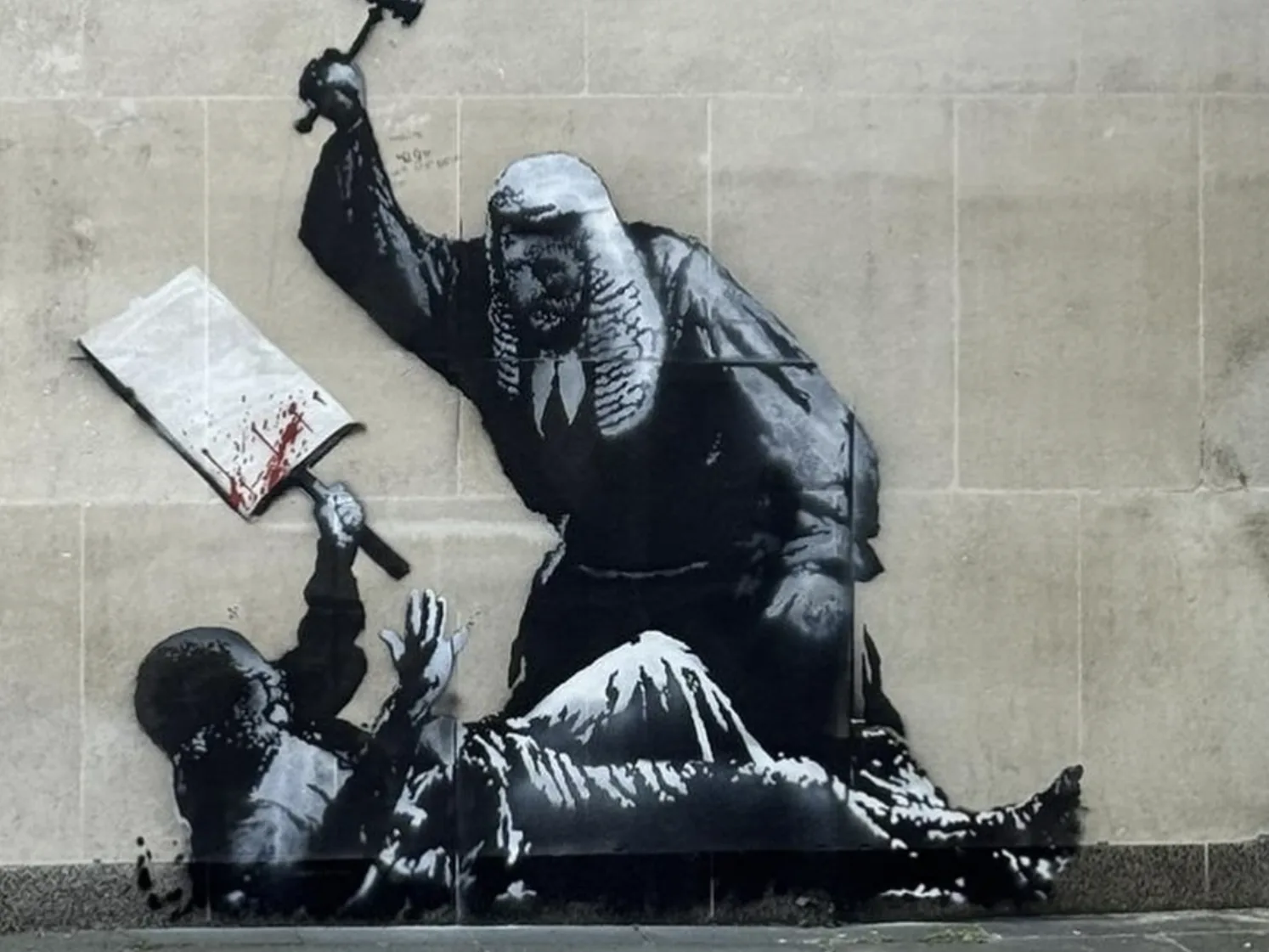
New Banksy: The Royal Courts of Justice
Banksy introduces his Instagram followers to a new piece
-
02 Jun 2025 1 min read
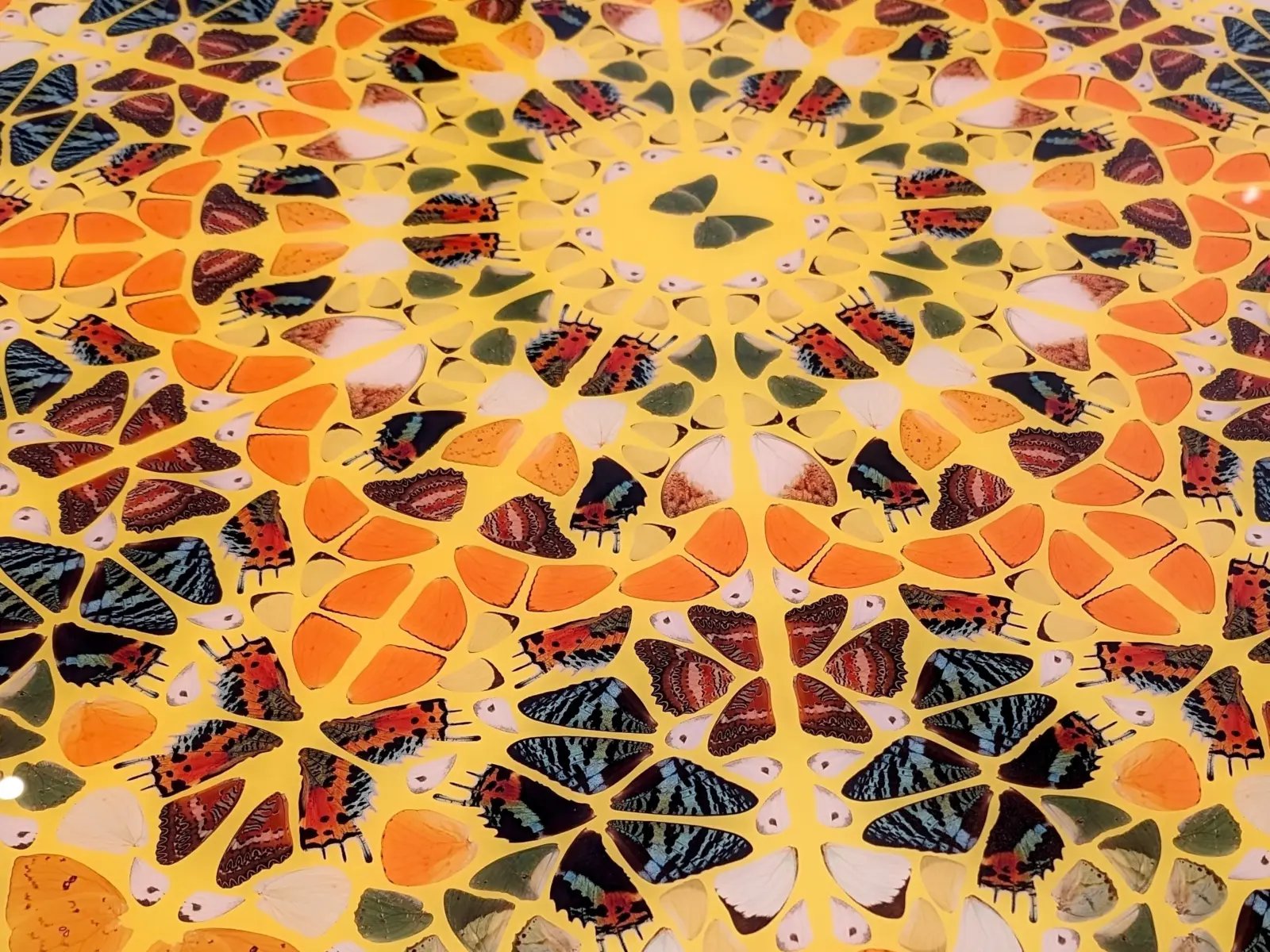
Art News: Damien Hirst | Posthumous Paintings
Damien Hirst is never far from an intriguing idea that challenges contemporary art. At 60, most artists might reflect on...
-
29 May 2025 1 min read
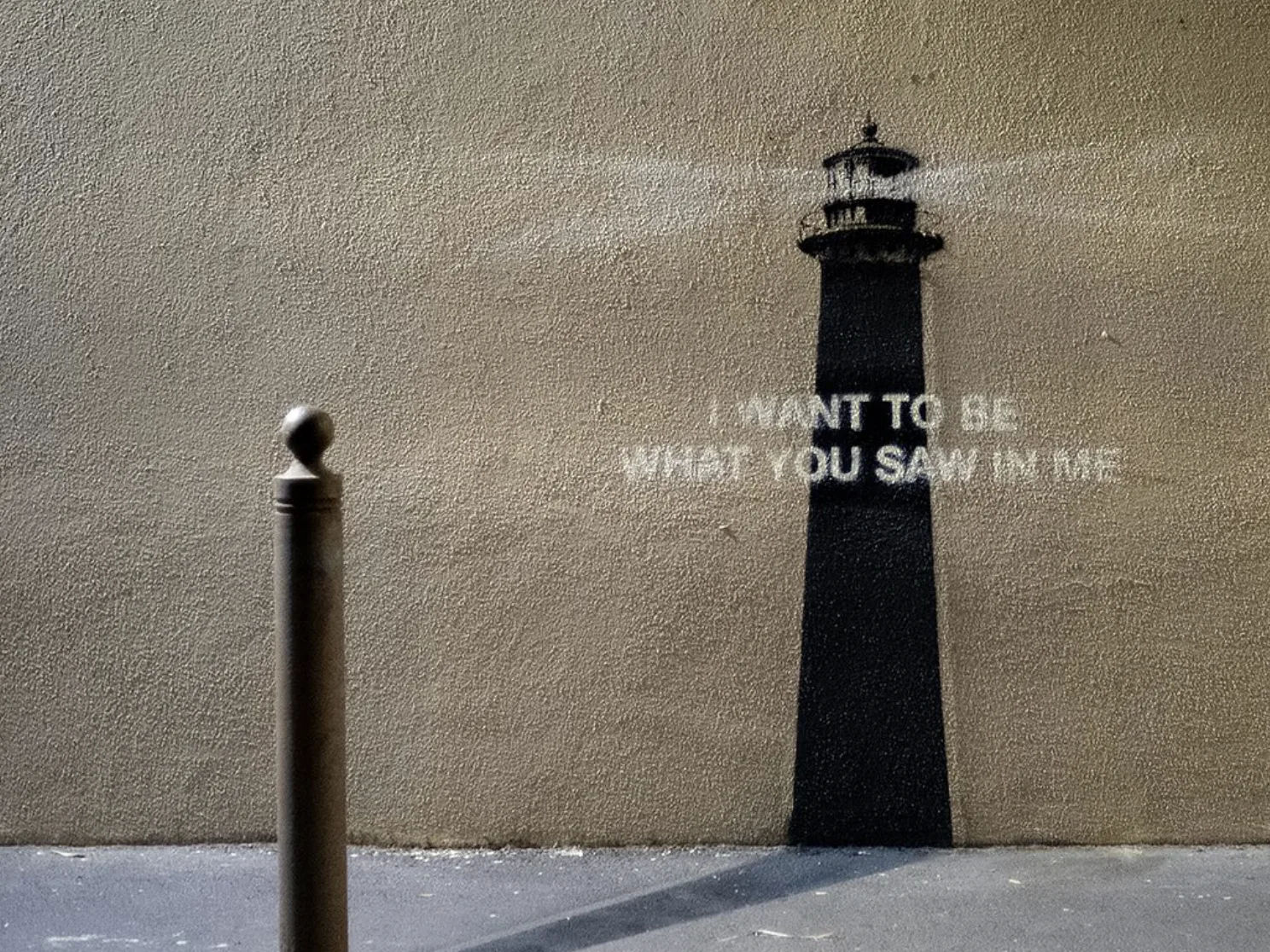
New Banksy: I Want To Be What You Saw In Me
Banksy introduces his Instagram followers to a new piece
-
29 May 2025 3 min read
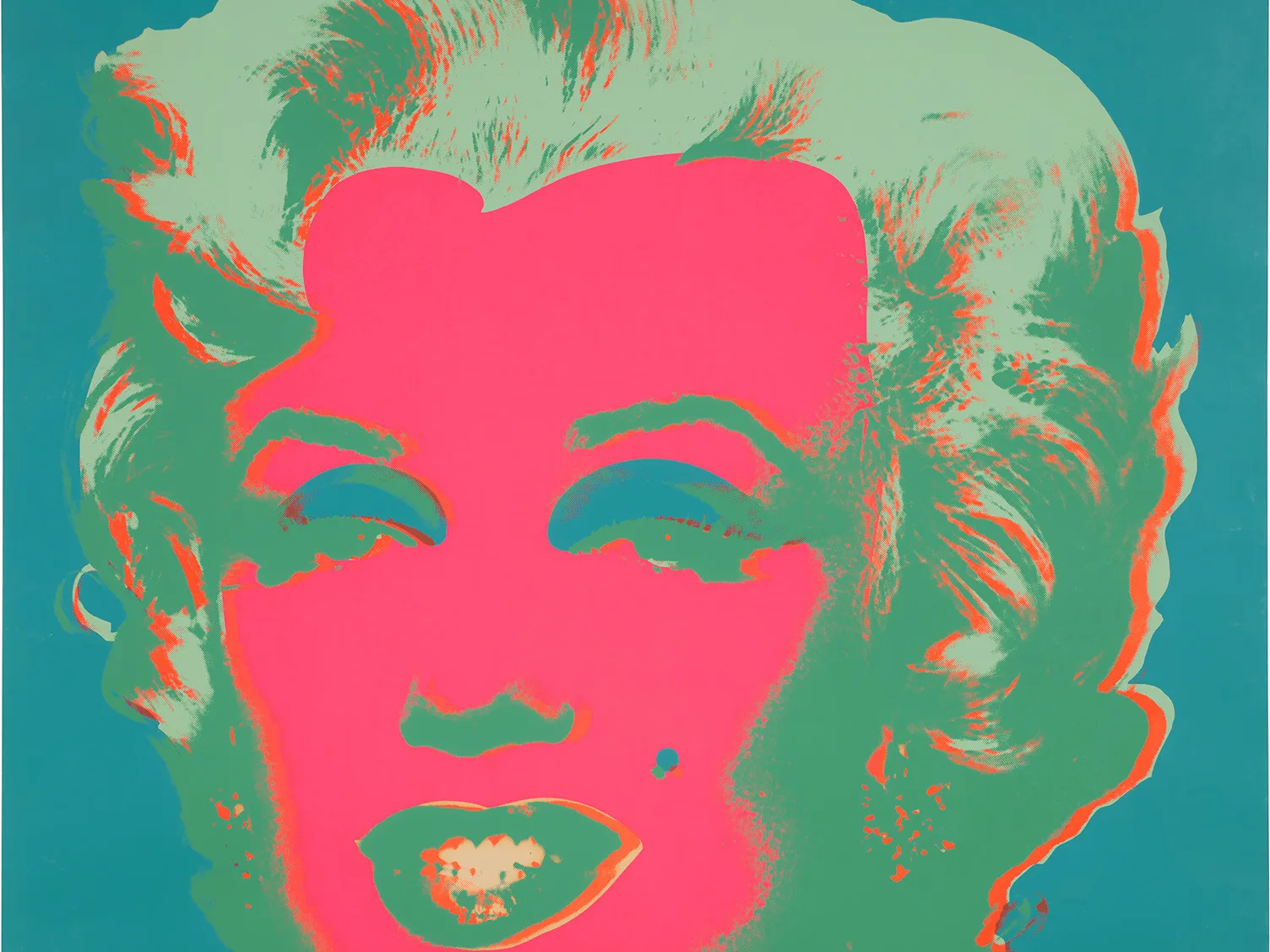
Warhol's Star Portraiture Proves Successful at Auction
The recent auctions have shown Warhol works to be consistently fetching the top end of the estimates.
-
08 May 2025
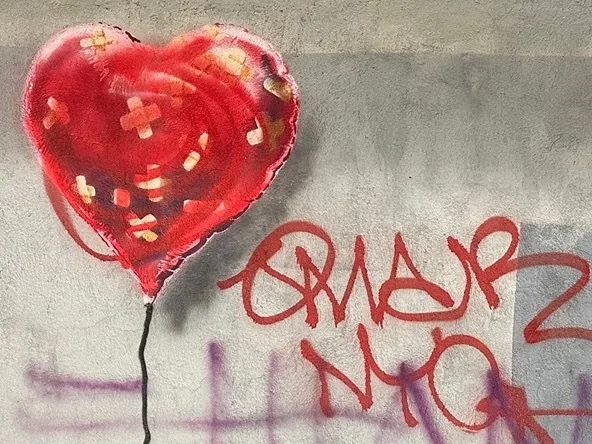
Banksy’s Heartfelt Mural Returns to NYC
Banksy’s rare, reworked mural Battle to Survive a Broken Heart—originally painted on a Brooklyn warehouse wall in 2013—is now on...
-
10 Apr 2025 3 min read
Art Market News: Trump's Tariffs
Trump backed down from most of his “Liberation Day” tariffs on Wednesday 9th April, issuing a 90-day pause while ratcheting...