

22 Sept 2026 3 min read
Inside the $6.7 Million Warhol Fraud, and What It Means for Collectors
Imagine spending millions on what you believe is a pristine collection of Andy Warhol prints, only to discover you've bought a stack of worthless fakes. It’s an art collector’s worst nightmare, and unfortunately for one Florida family, it became a harsh and incredibly expensive reality. The case offers a troubling look at how a sophisticated forgery scheme unfolded, and the lengths taken to make the fakes appear authentic. Keep reading.
On September 9, Florida real-estate investor Richard Perlman, alongside his wife and son, filed a civil racketeering lawsuit in a Miami-Dade County court.
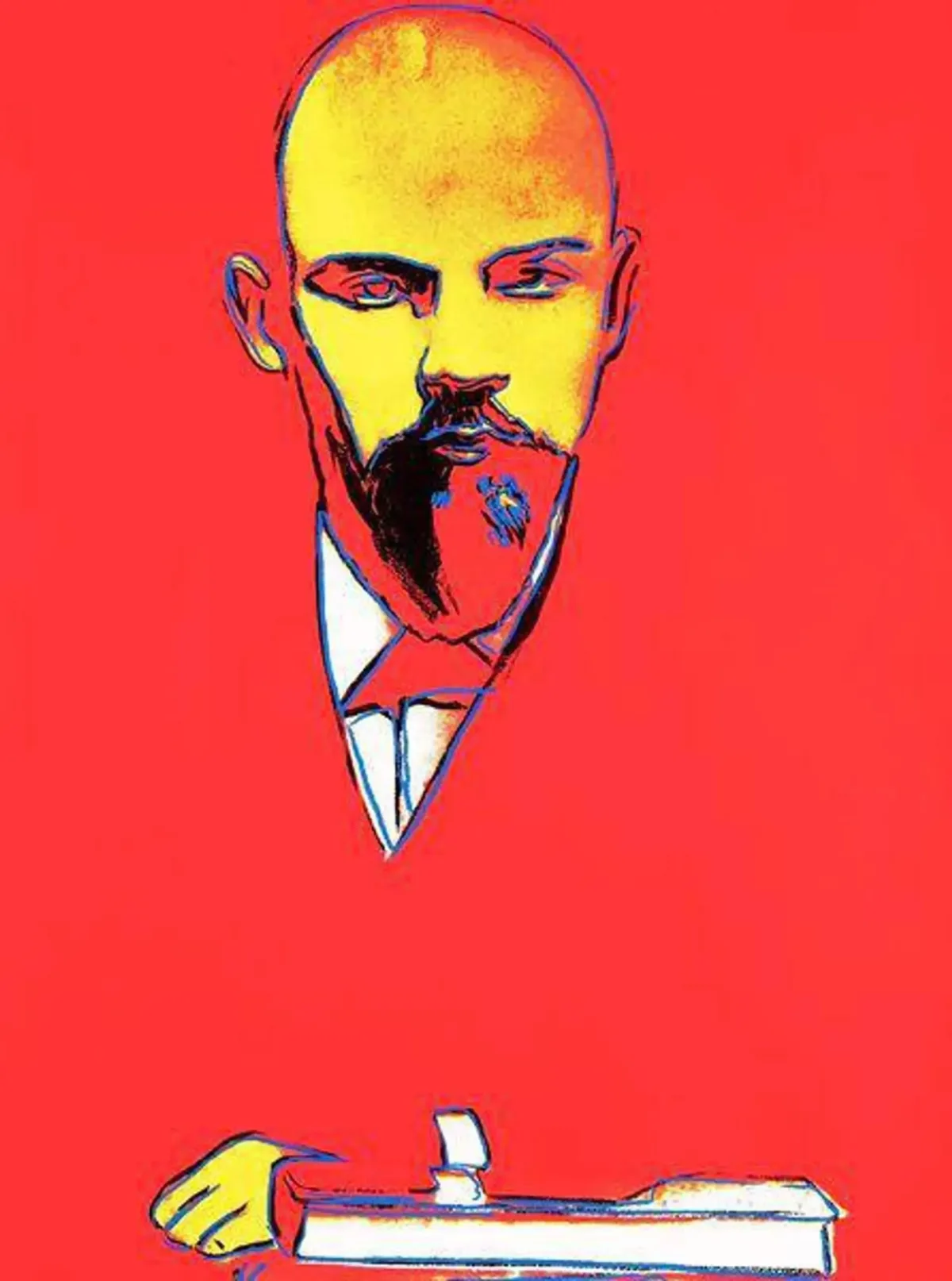
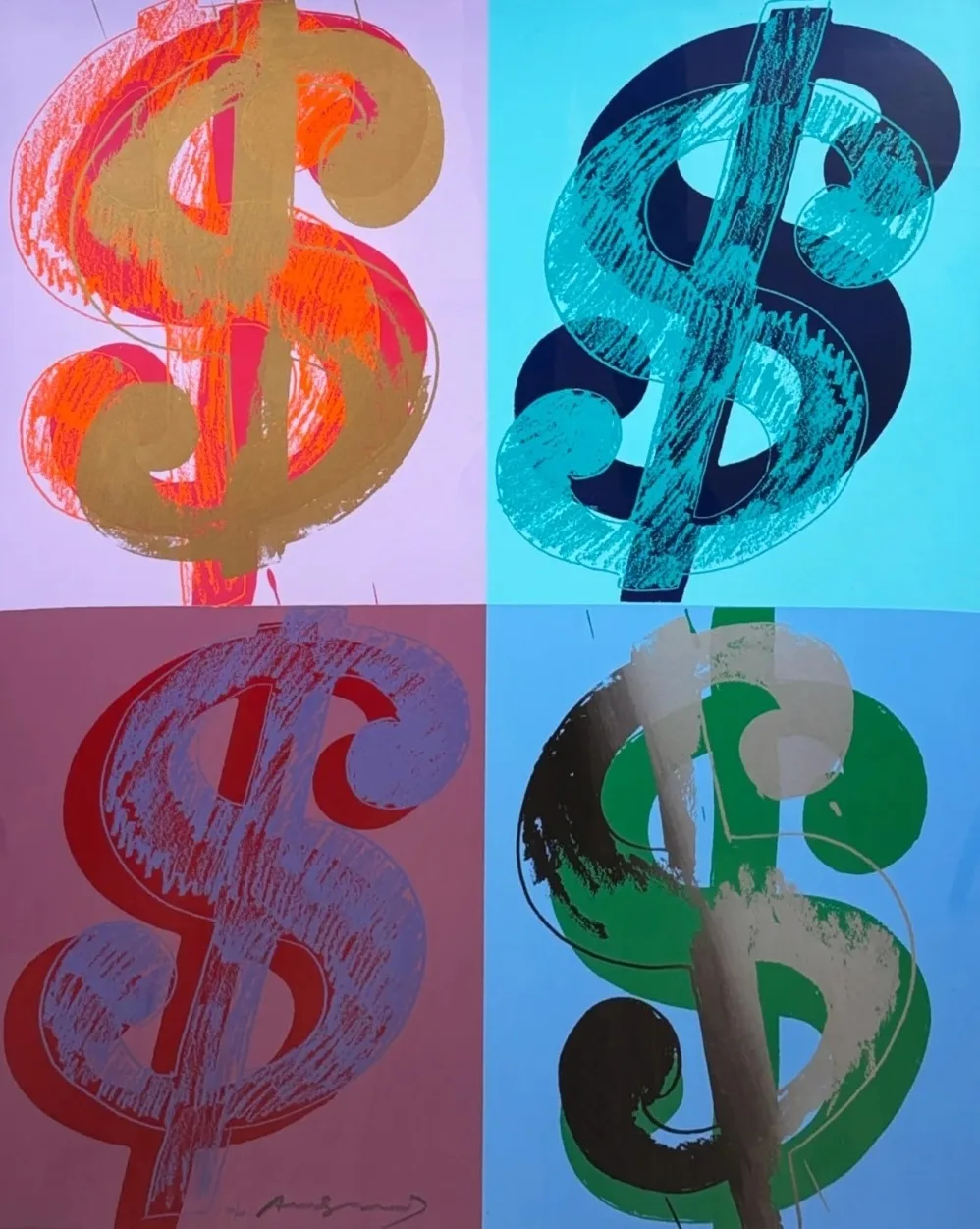
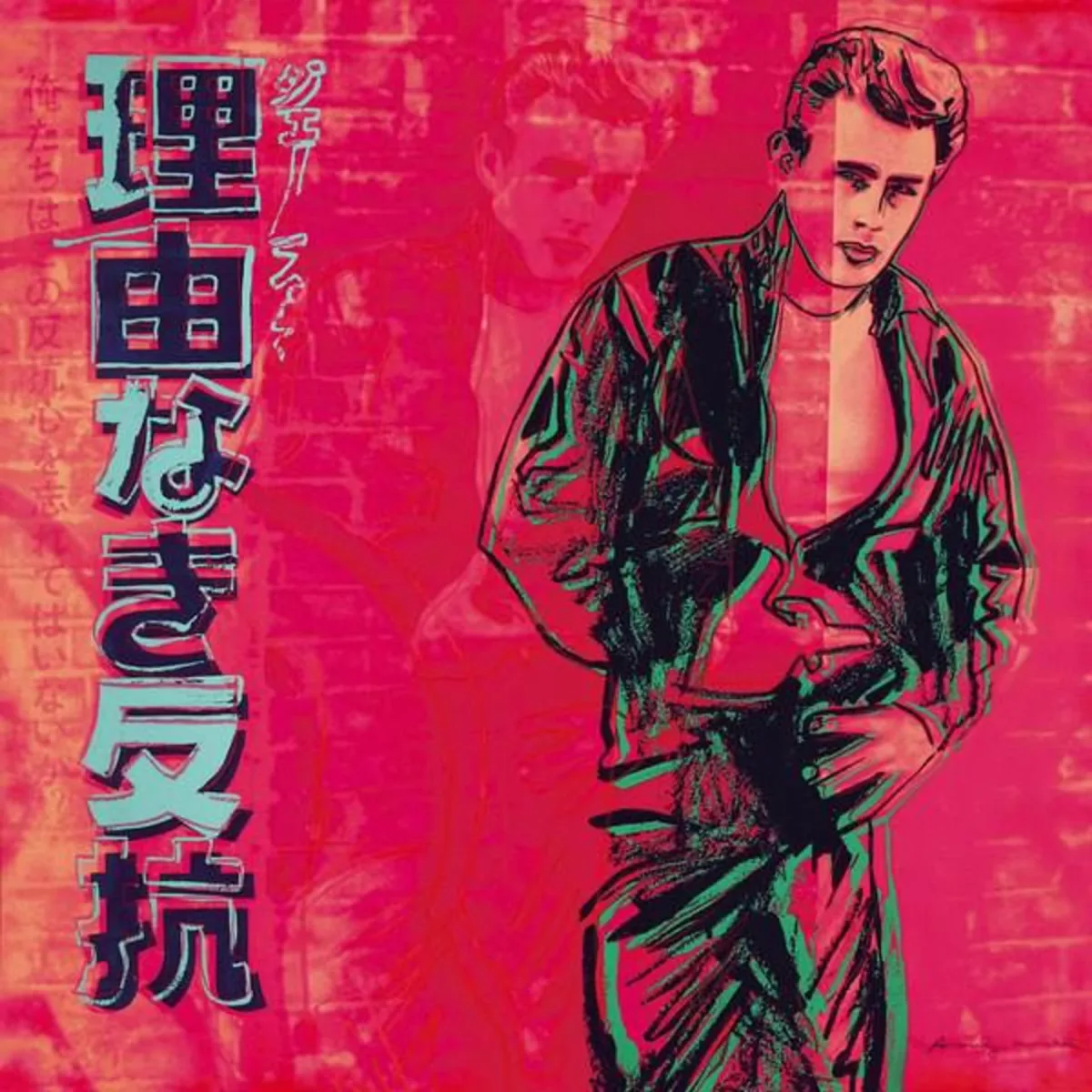
The jaw-dropping claim? That between 2023 and 2024, they had been swindled out of more than $6.7 million. Believing they were acquiring authentic Andy Warhol works, including iconic depictions of Superman and Queen Elizabeth, the Perlmans were instead sold over 200 fake pieces.
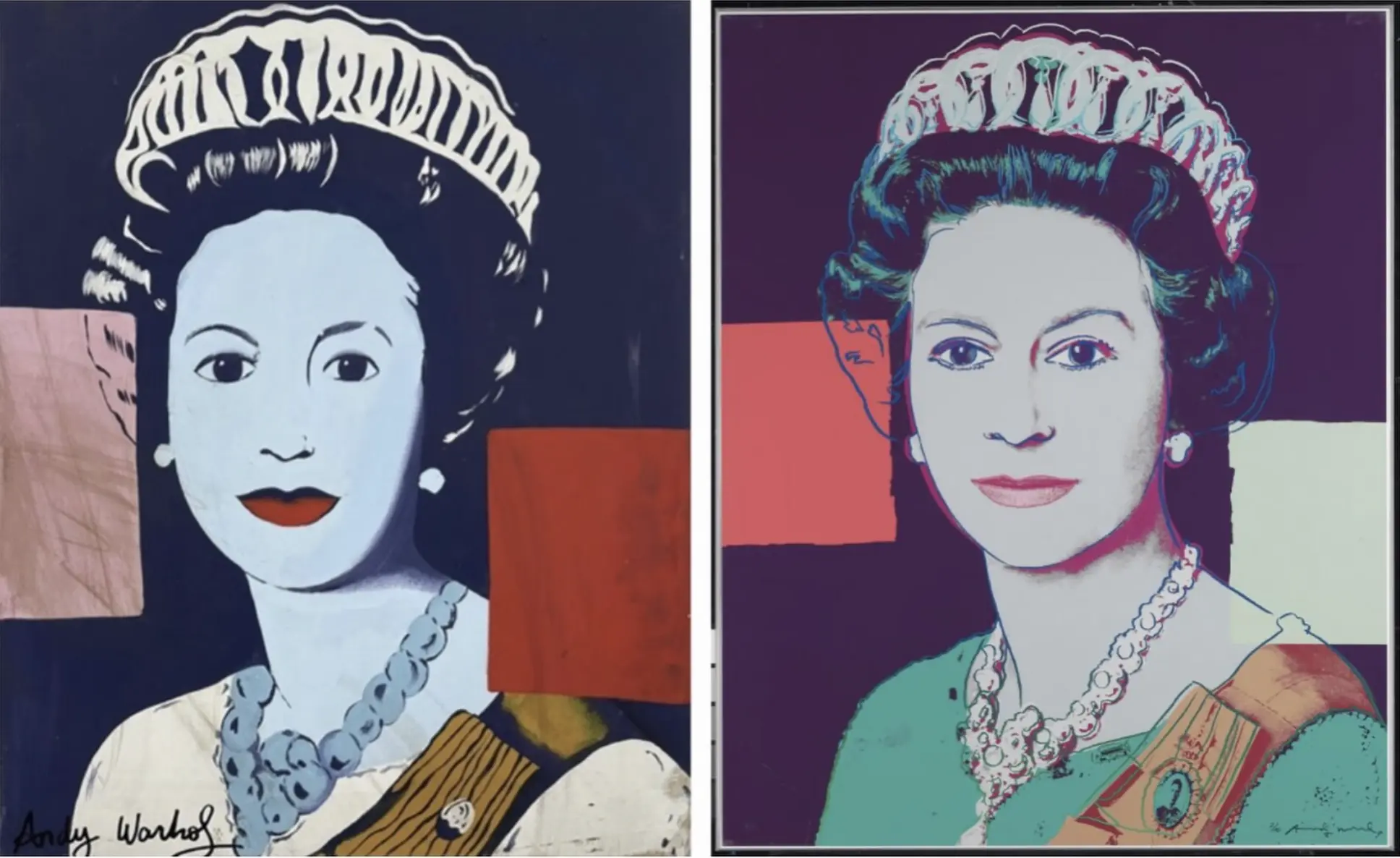
Queen Elizabeth by Andy Warhol
The unravelling began in 2024 when the family presented several pieces to Christie’s for appraisal and potential sale. The auction house immediately raised red flags regarding the works' authenticity, setting off a chain reaction that would eventually bring the alleged fraud to light. Back then, the Perlmans sued their primary dealer and settled out of court. However, their newly filed lawsuit alleges that the damage went far deeper, pointing to a sophisticated, highly organised global scheme.
The Mechanics of the Forgery Scheme
How do you pass off over two hundred fake Warhols in today's highly scrutinised market?
According to the claims, the counterfeit artworks were produced in Peru and then shipped directly to a Miami gallery for as little as $30 a piece.
Warhol Foundation seals and forged supporting documentation (including fabricated ownership histories, fake invoices and certificates). They even used a deceptive email address mimicking the Andy Warhol Foundation itself.
Since the artist's official authentication board closed in 2011, buyers must rely heavily on these paper trails and stamps. And that’s a blind spot fraudsters can exploit.
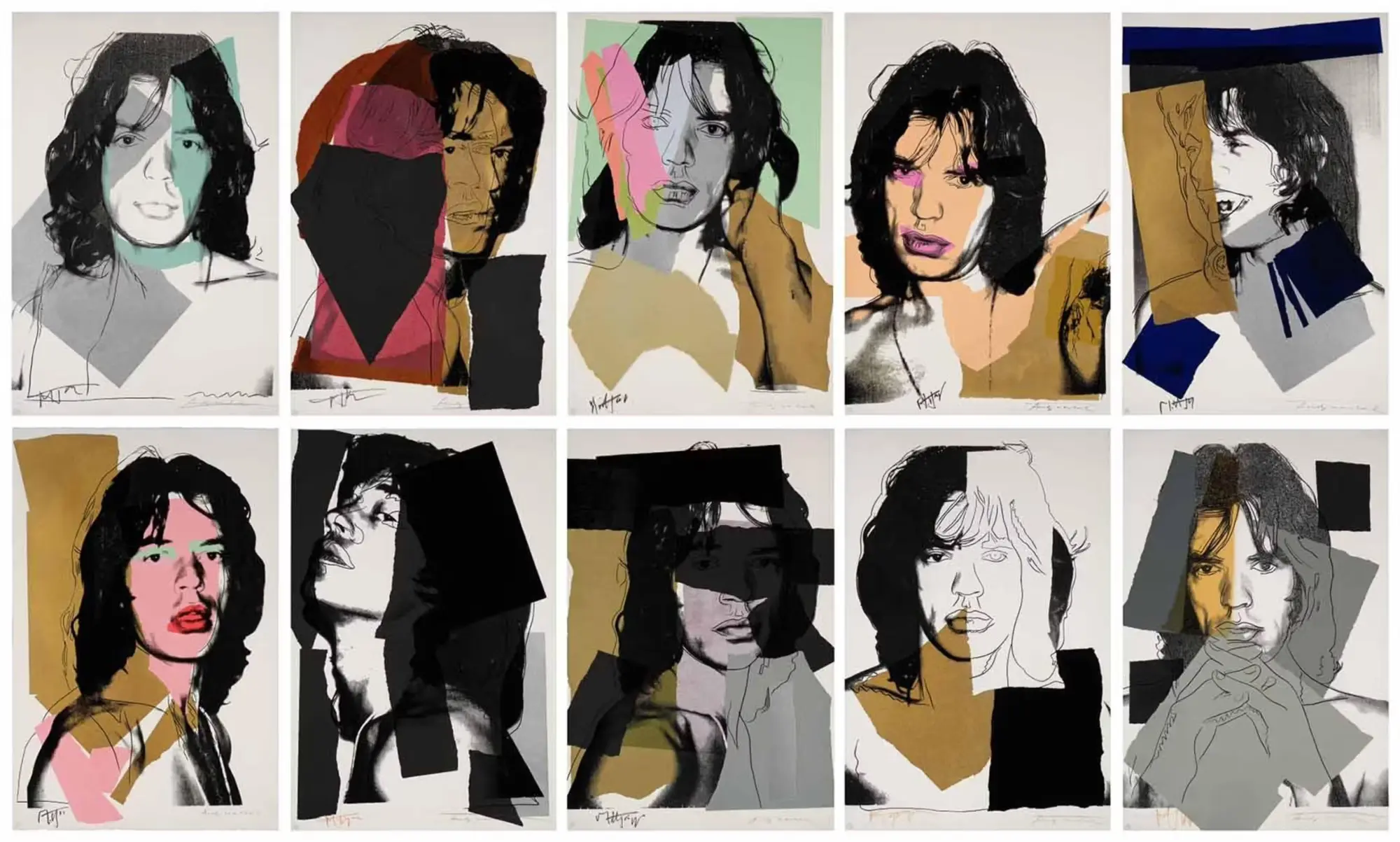
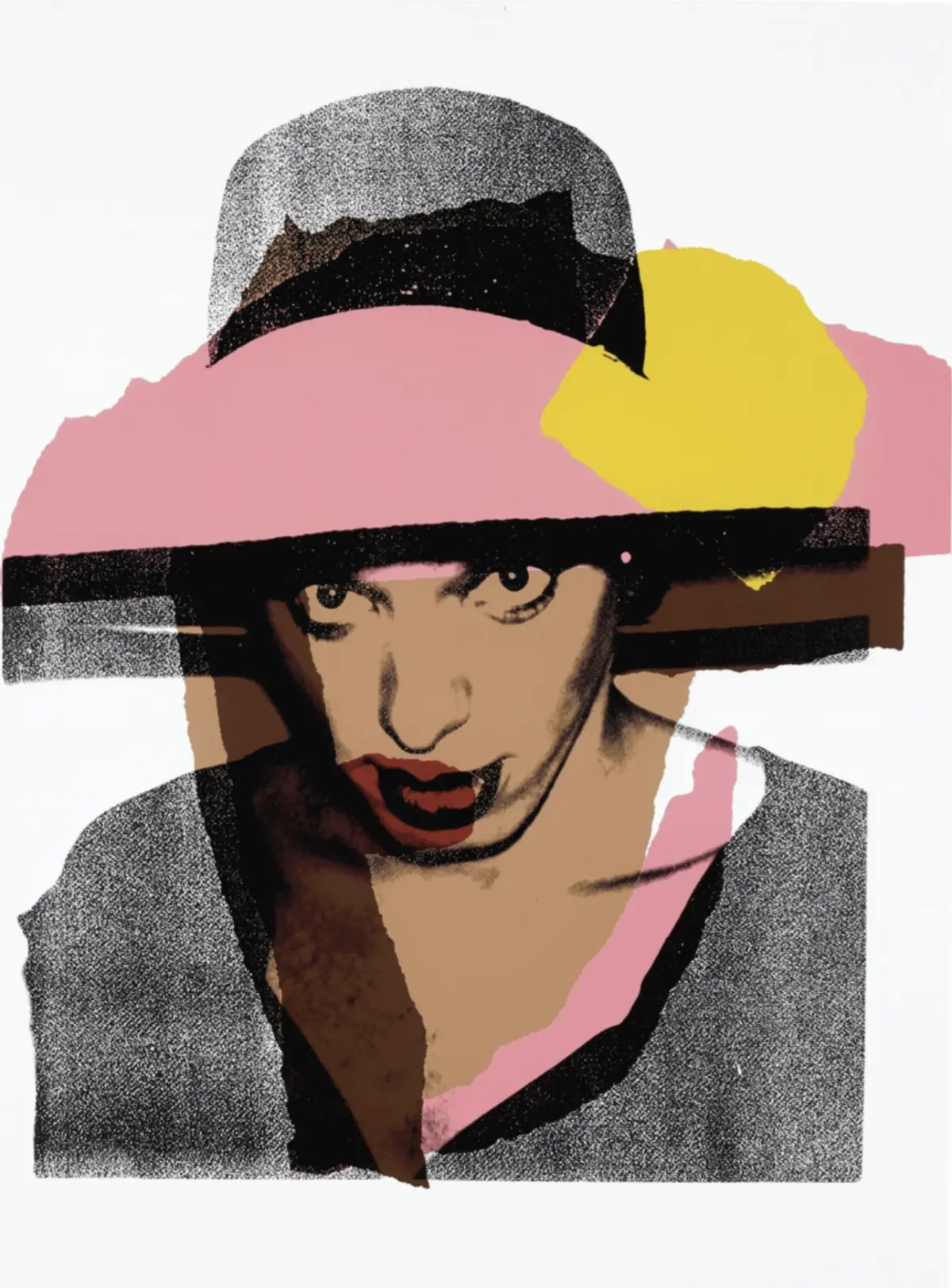
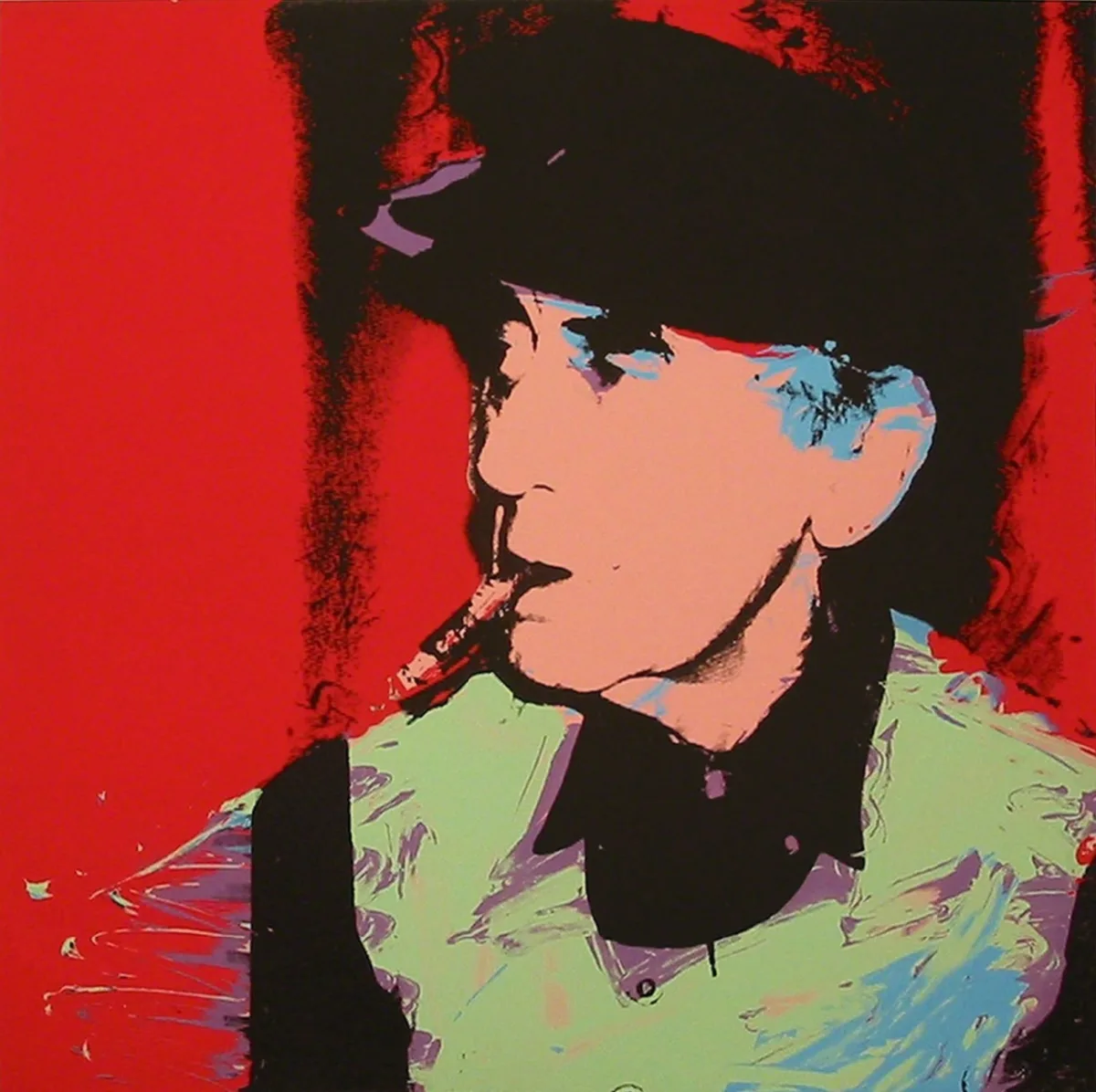
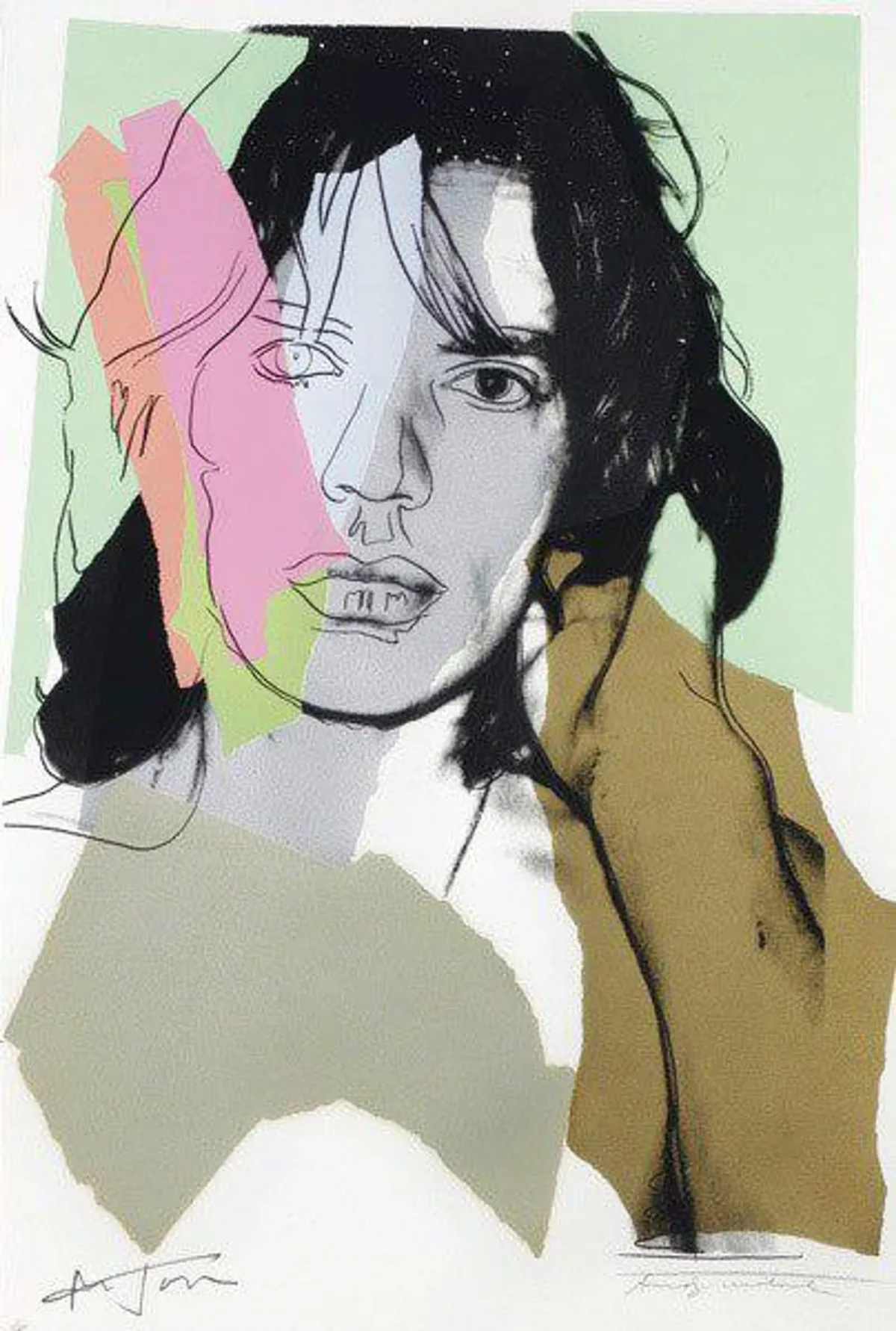
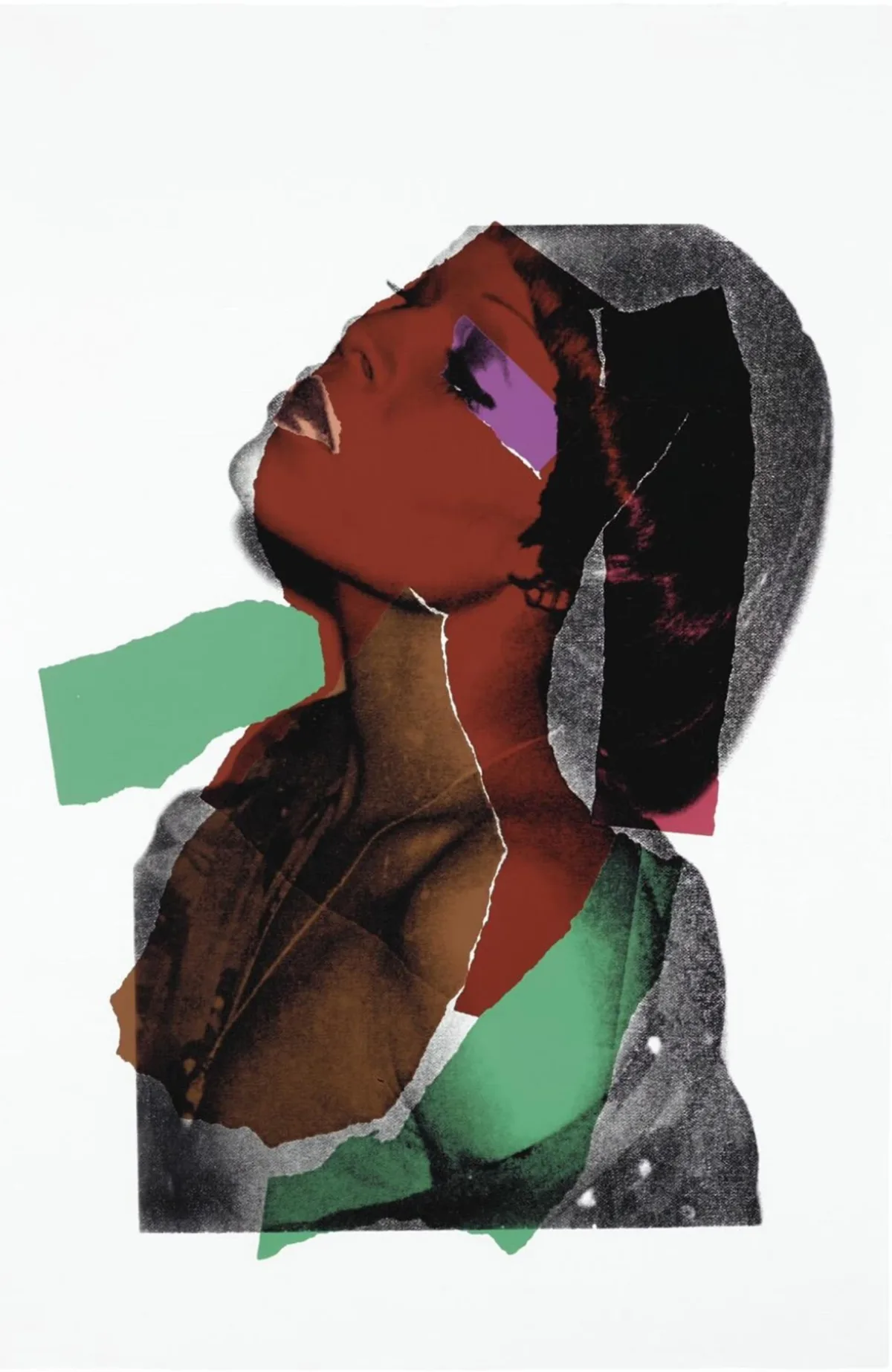
Mick Jagger by Andy Warhol
Who Was Behind It?
A scheme of this size takes a well-organised network. At the centre is Leslie Roberts, owner of Miami Fine Art Gallery. Although Roberts maintains that selling the counterfeit works was an honest mistake, he is currently awaiting sentencing on related wire fraud charges.
But who else kept the pipeline moving?
The lawsuit outlines a highly coordinated team effort:
Nathan Isen: A Philadelphia gallery owner previously convicted of money laundering, accused of helping Roberts sell and distribute the fake pieces.
Oscar Cordova: A Florida-based dealer who allegedly supplied Roberts with the forged canvases.
Edward Kurstak: Another Florida dealer accused of physically applying the fake authentication stamps to the artwork.
Allan Dampf: A retired Florida dentist who allegedly helped legitimise the gallery's inventory by supplying false provenance.
A Growing Issue in the High-End Art Market
While the Perlman family's $6.7 million loss is staggering, it is far from an isolated incident. The harsh reality is that forgery is a recurring threat, and modern scammers are no longer loners in a basement. Today, they operate as organised global networks, slipping counterfeits into the legitimate market.
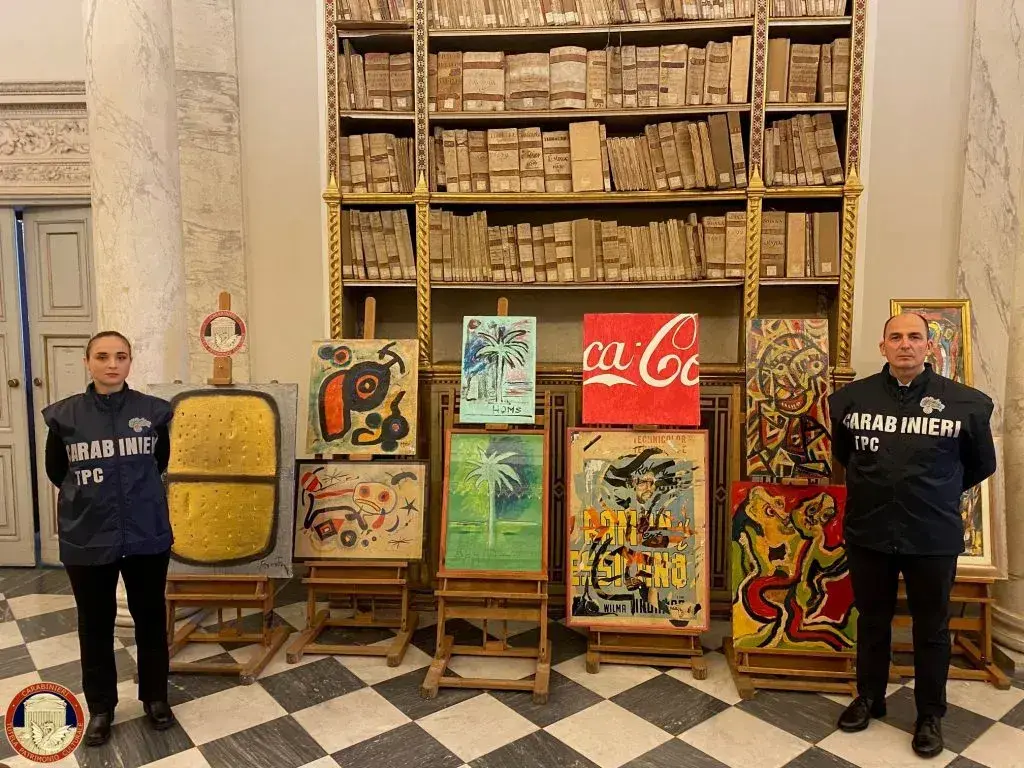
Since March 2023, Italian police have seized more than 2000 works of art. Photo: courtesy Carabinieri Art Squad.
Photo: courtesy Carabinieri Art Squad.
In 2024, Italian police busted a 38-person international forgery ring, seizing over 2,000 fakes that included forged artworks by Warhol, Banksy, Dalí, and Picasso, among others. In Massachusetts, conman Brian Walshe was handed a prison sentence for peddling counterfeit Warhol paintings. And earlier this April, a father-daughter duo pleaded guilty in a Brooklyn court to selling artworks deliberately misattributed to the late pop icon.
When sophisticated networks can fool experienced investors and pass off $30 fakes for millions, knowing how to protect yourself is essential.
The Importance of Due Diligence and Choosing the Right Gallery
Because of cases like this, purchasing art through reputable, thoroughly vetted galleries is crucial.
You want a gallery that offers peace of mind by doing the heavy lifting and investing the time, resources, and expertise required to carefully assess the authenticity and provenance of every work it holds.
Thorough background checks, detailed condition reports, and access to expert consultation are some of the most important safeguards for ensuring that your acquisitions are authentic and your collection is protected for years to come.
Do you have any questions about authenticity or provenance? Talk to our team today.


Contributors
Laura Rivas-Lopez
More about Andy Warhol
-
29 Sept 2026 3 min read
Why Raymond Pettibon Keeps Returning to the Wave
For more than 40 years, across works on canvas, paper, and prints, the wave has been a leitmotif in his...
-
25 Aug 2026 5 min read
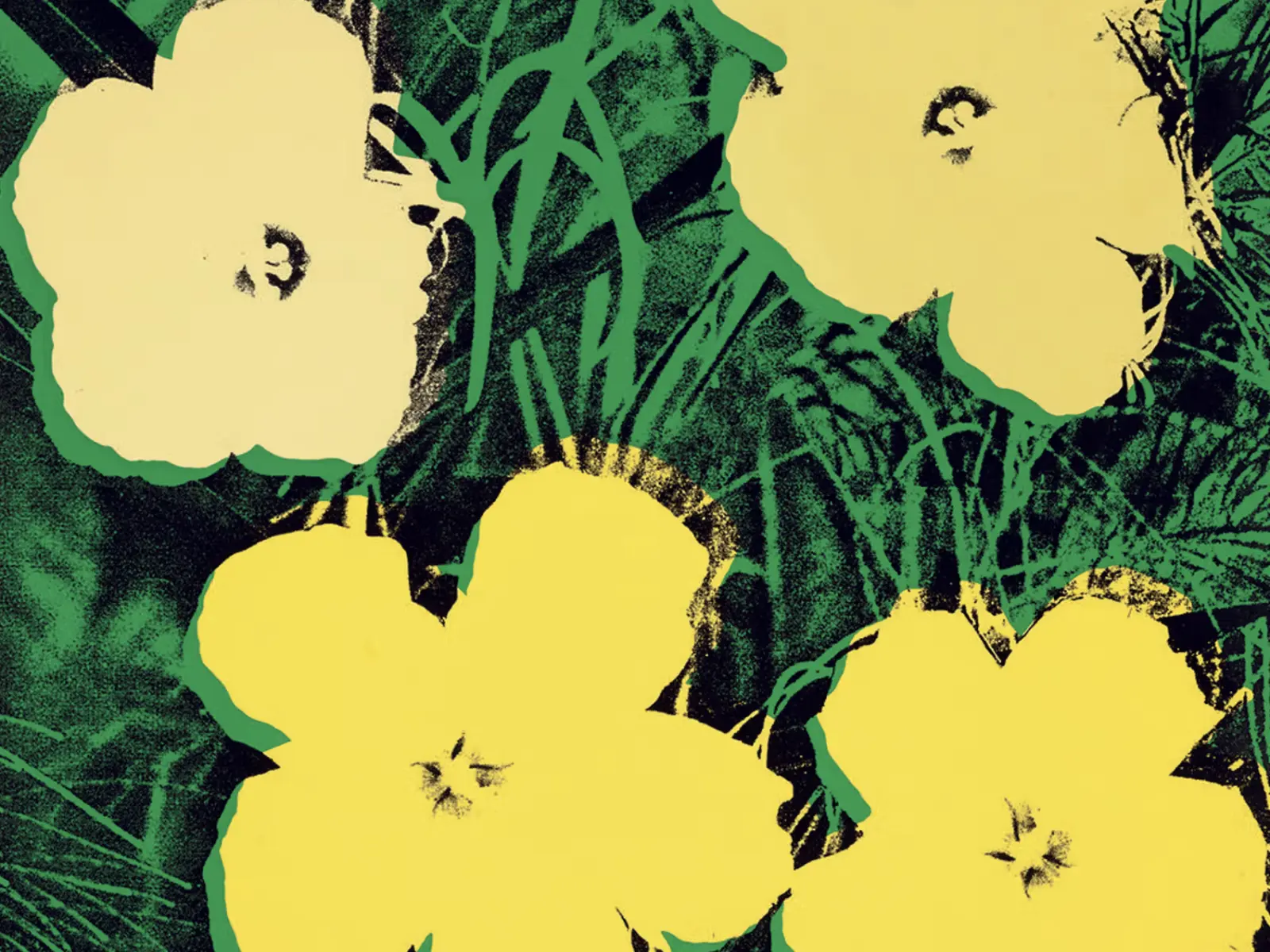
Andy Warhol’s Flowers: How the Humble Hibiscus Became a Pop Icon
From delicate hand-drawn roses to electric hibiscus blooms, flowers were a recurring motif throughout Andy Warhol's career. At once beautiful...
-
25 Aug 2026 5 min read
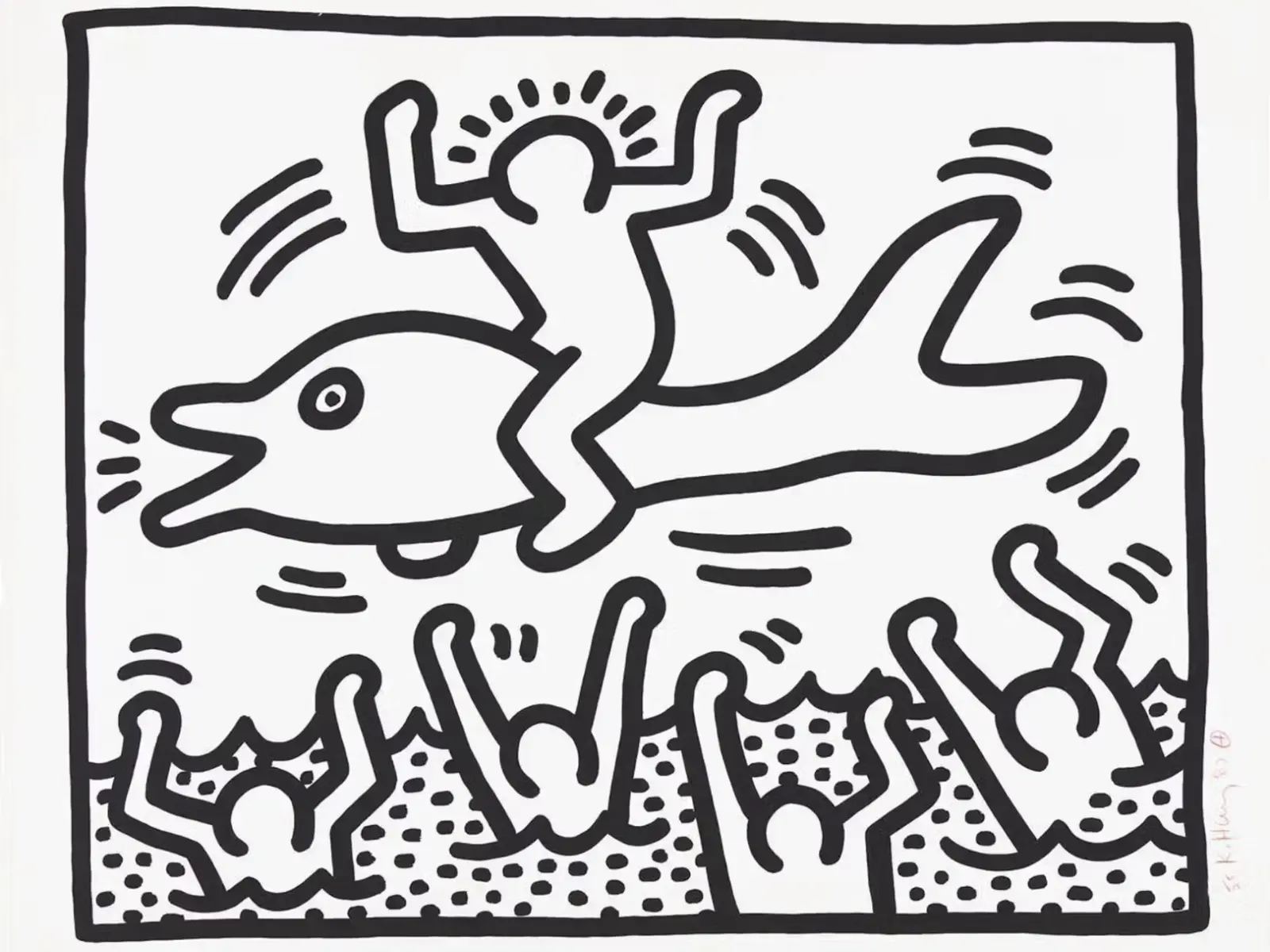
Keith Haring: Drawing the Dolphin
At first glance, Keith Haring’s "Man On Dolphin" appears playful and uncomplicated. Look a little closer, however, and the scene...
-
03 Jul 2026 5 min read
The Hang - Your Quarterly Art Market Briefing | Q2 2026
What moved the market, made headlines and mattered most this quarter. Digest the important moments of Q2 with The Hang.
-
08 Jun 2026 4 min read
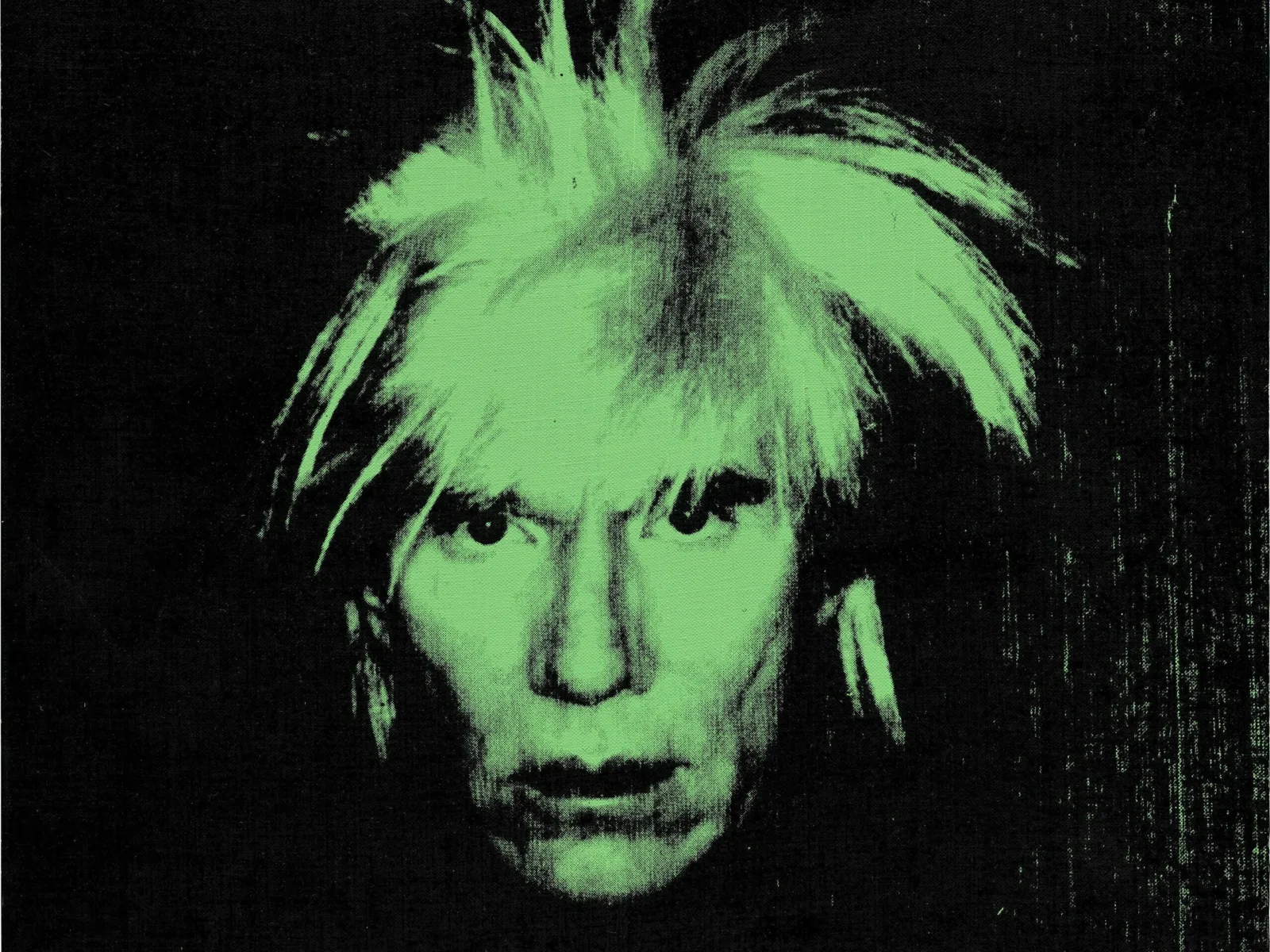
Warhol Wows at Auction
The spring auction season has delivered another powerful endorsement of Andy Warhol's enduring market appeal, with strong results recorded across...
-
26 Mar 2026
Renewed Momentum: The Global Art Market Enters a New Phase of Growth
The global art market has returned to growth, driven by renewed strength at the high end and a more balanced...
-
08 Jan 2026
Why January is the Best Time to Buy
January is often seen as a pause in the art world. In reality, it is one of the most constructive...
-
04 Jan 2026 3 min read
Andy Warhol and Brigitte Bardot
Brigitte Bardot became one of the defining faces of modern celebrity, and Andy Warhol recognised in her image the perfect...
-

21 Nov 2025 7 min read
Why Collectors Are Obsessed with Warhol’s Endangered Icons?
Andy Warhol’s 1983 Endangered Species series transformed threatened animals into pop culture icons, using his bold, technicolour style to spotlight...
-
13 Oct 2025 3 min read
Your London Art Week Guide 2025
London Art Week has arrived, and with so much going on, we have done the legwork so you have a...
-
13 Oct 2025 2 min read
Market Watch: Kusama Auction Results
The start of the autumn season has seen some great results for Yayoi Kusama. We've compiled the showstoppers that may...
-
07 Oct 2025 2 min read
Top 5 Selling Warhol Works
We take a look at the top prices paid at auction for complete sets of screenprints created by Andy Warhol
More from News
-
19 Aug 2026 5 min read
Banksy's Dismaland: Eleven Years on
In the summer of 2015, Banksy transformed a derelict seaside lido into Dismaland: a dystopian “bemusement park” combining art, spectacle...
-

10 Aug 2026 3 min read
Yayoi Kusama breaks visitor records in Cologne
The record-breaking Yayoi Kusama exhibition at Cologne’s Museum Ludwig drew 480,335 visitors; the highest attendance in the museum’s history, before...
-
11 May 2026 2 min read
The Return of 'Migrant Child' in Venice
Banksy's 'Migrant Child' has been restored and will tour Venice.
-
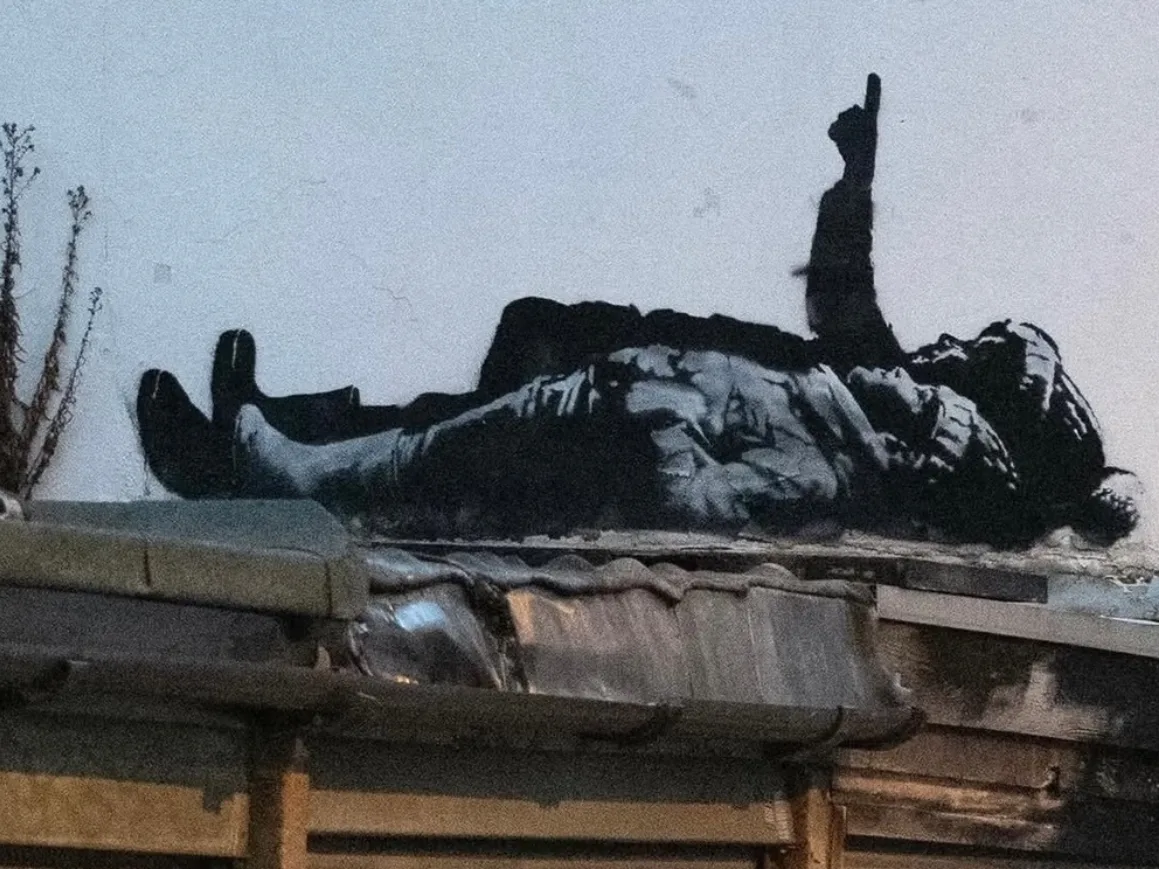
22 Dec 2025 1 min read
New Banksy's: Stargazing Children Become a Message on Homelessness
Two identical Banksy murals showing children lying on the ground and pointing at the stars have appeared in Bayswater and...
-
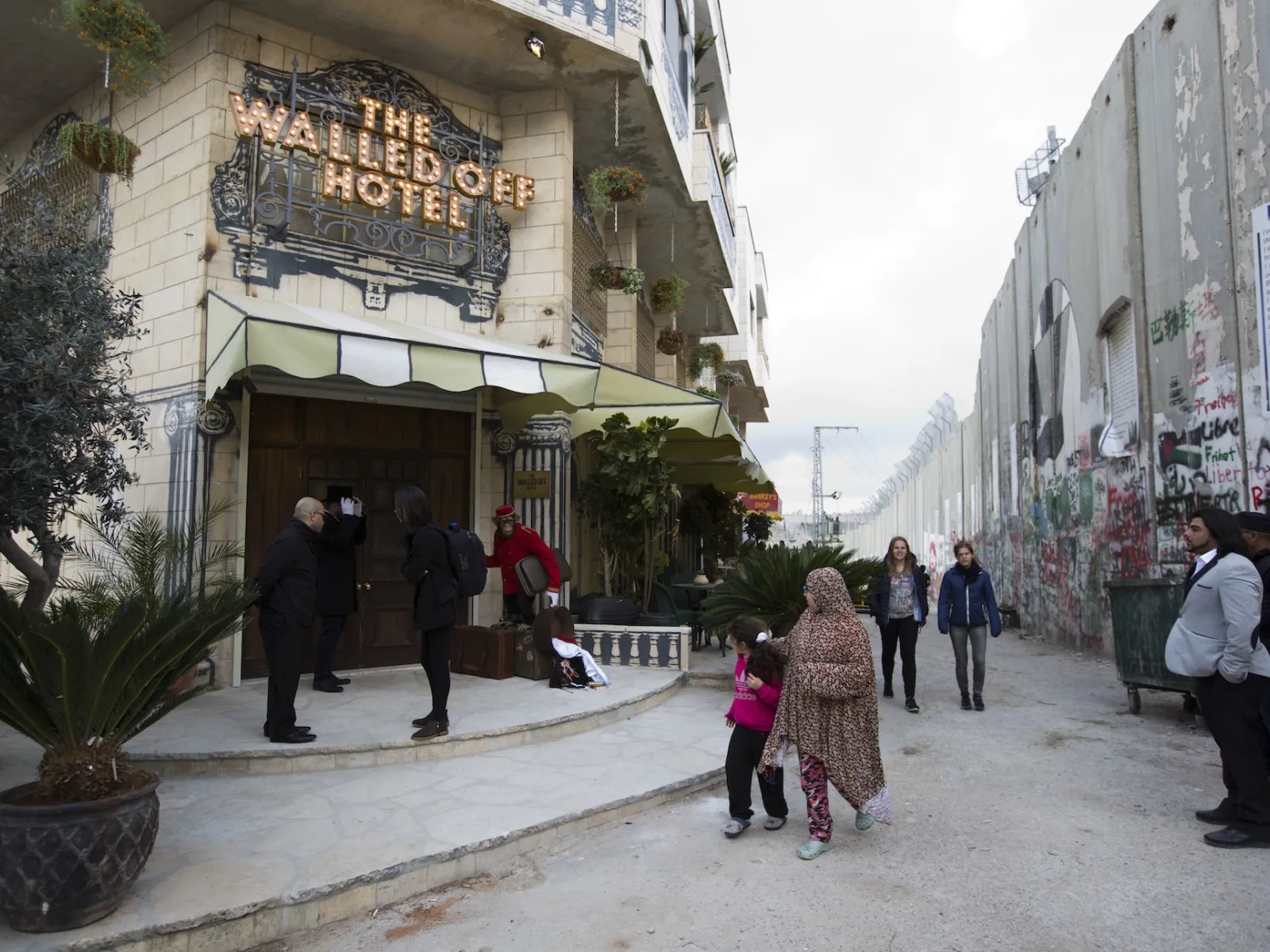
15 Dec 2025
Banksy's The Walled Off Hotel Reopens
Banksy’s The Walled Off Hotel in Bethlehem has reopened after more than a year of closure, once again inviting visitors...
-
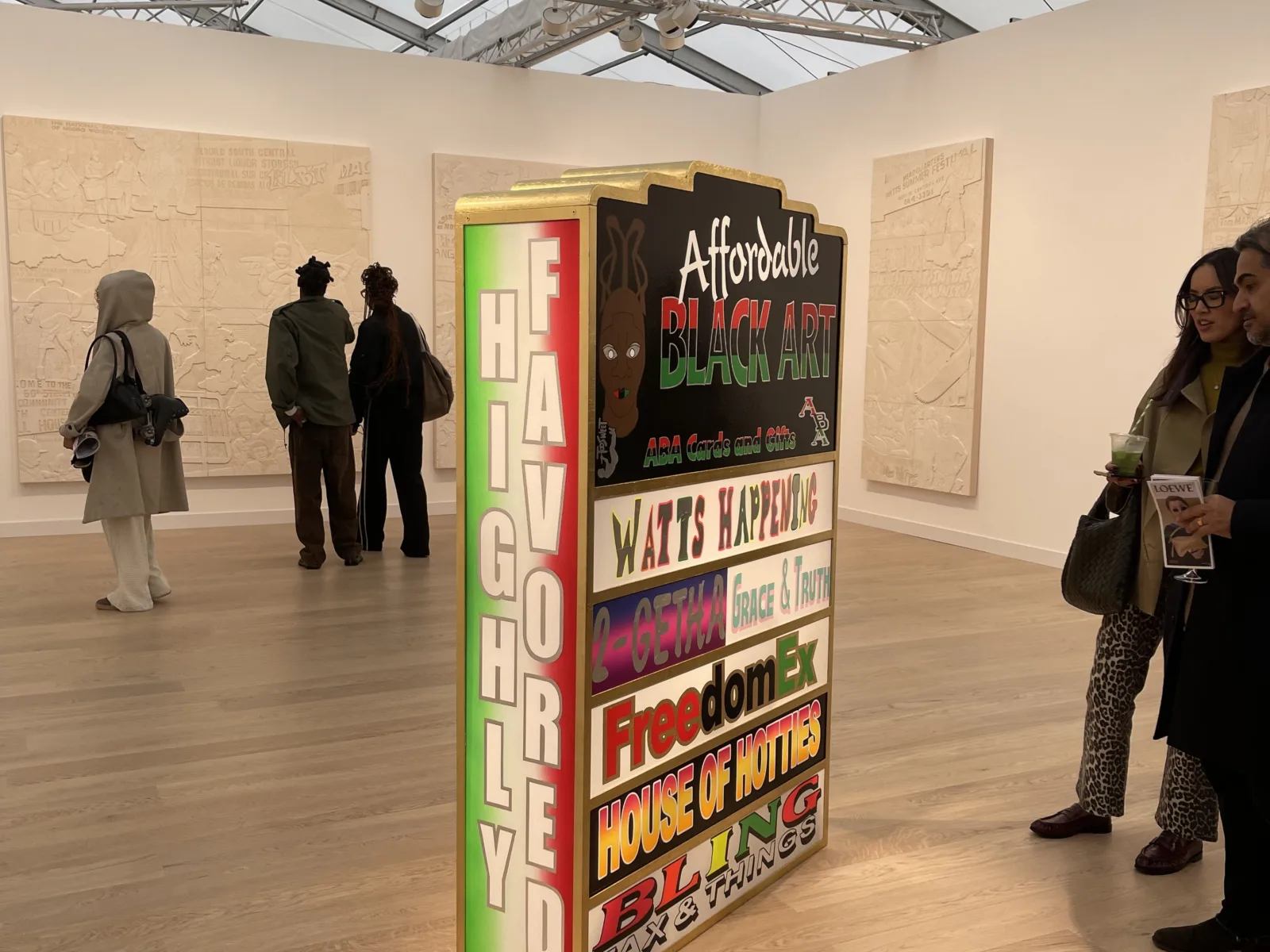
20 Oct 2025 3 min read
Post-Frieze Highlights: London’s Week of Art and Energy
Frieze Week 2025 reaffirmed London’s standing as a global art hub, with a confident yet considered market mood and strong...
-

18 Sept 2025
Kusama on Tour
Following Kusama's Melbourne retrospective at the National Gallery of Victoria (which became the most attended exhibition in Australian history), the...
-
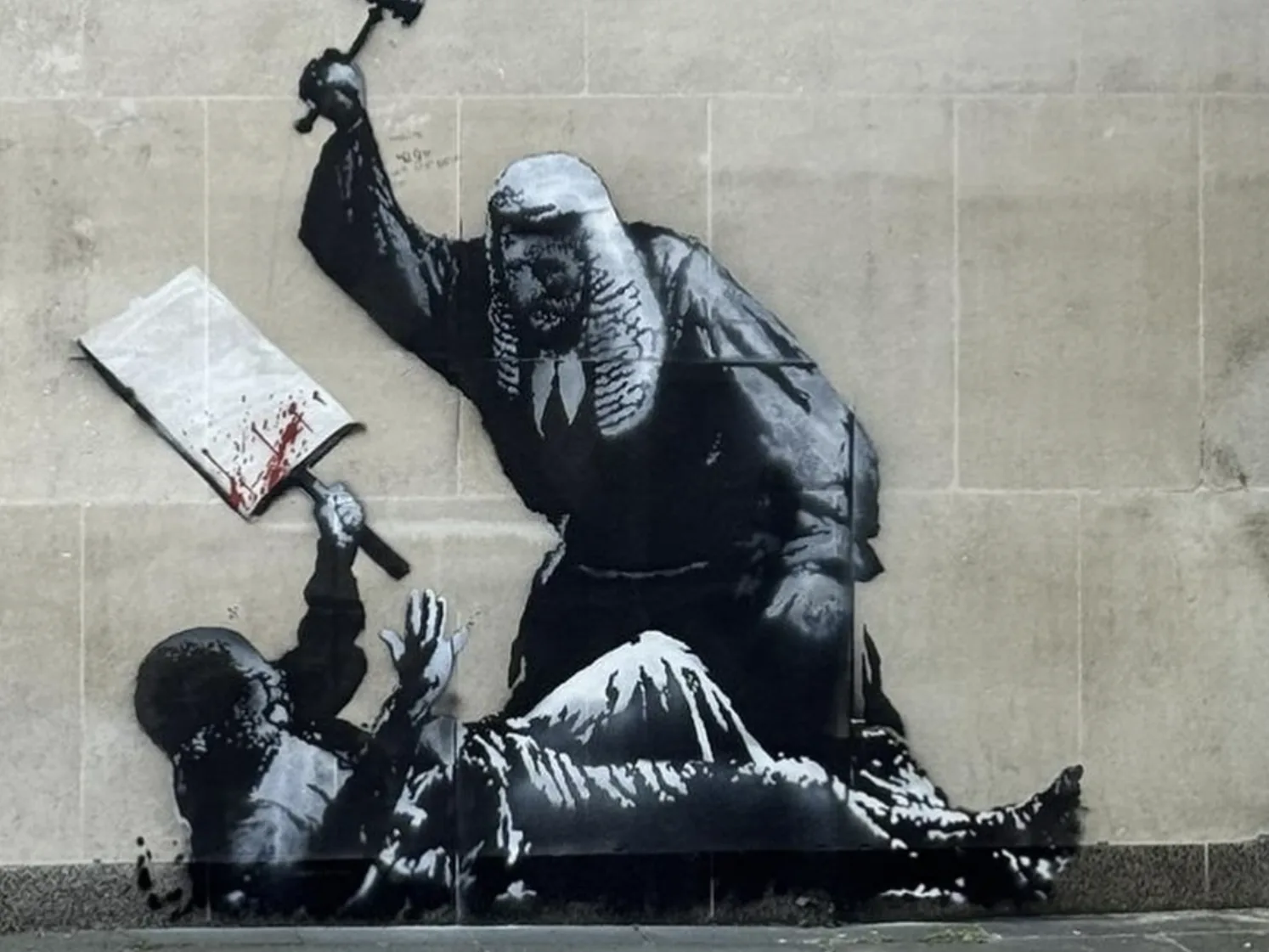
08 Sept 2025 3 min read
New Banksy: The Royal Courts of Justice
Banksy introduces his Instagram followers to a new piece
-
02 Jun 2025 1 min read
Art News: Damien Hirst | Posthumous Paintings
Damien Hirst is never far from an intriguing idea that challenges contemporary art. At 60, most artists might reflect on...
-
29 May 2025 1 min read
New Banksy: I Want To Be What You Saw In Me
Banksy introduces his Instagram followers to a new piece
-
29 May 2025 3 min read
Warhol's Star Portraiture Proves Successful at Auction
The recent auctions have shown Warhol works to be consistently fetching the top end of the estimates.
-
08 May 2025
Banksy’s Heartfelt Mural Returns to NYC
Banksy’s rare, reworked mural Battle to Survive a Broken Heart—originally painted on a Brooklyn warehouse wall in 2013—is now on...