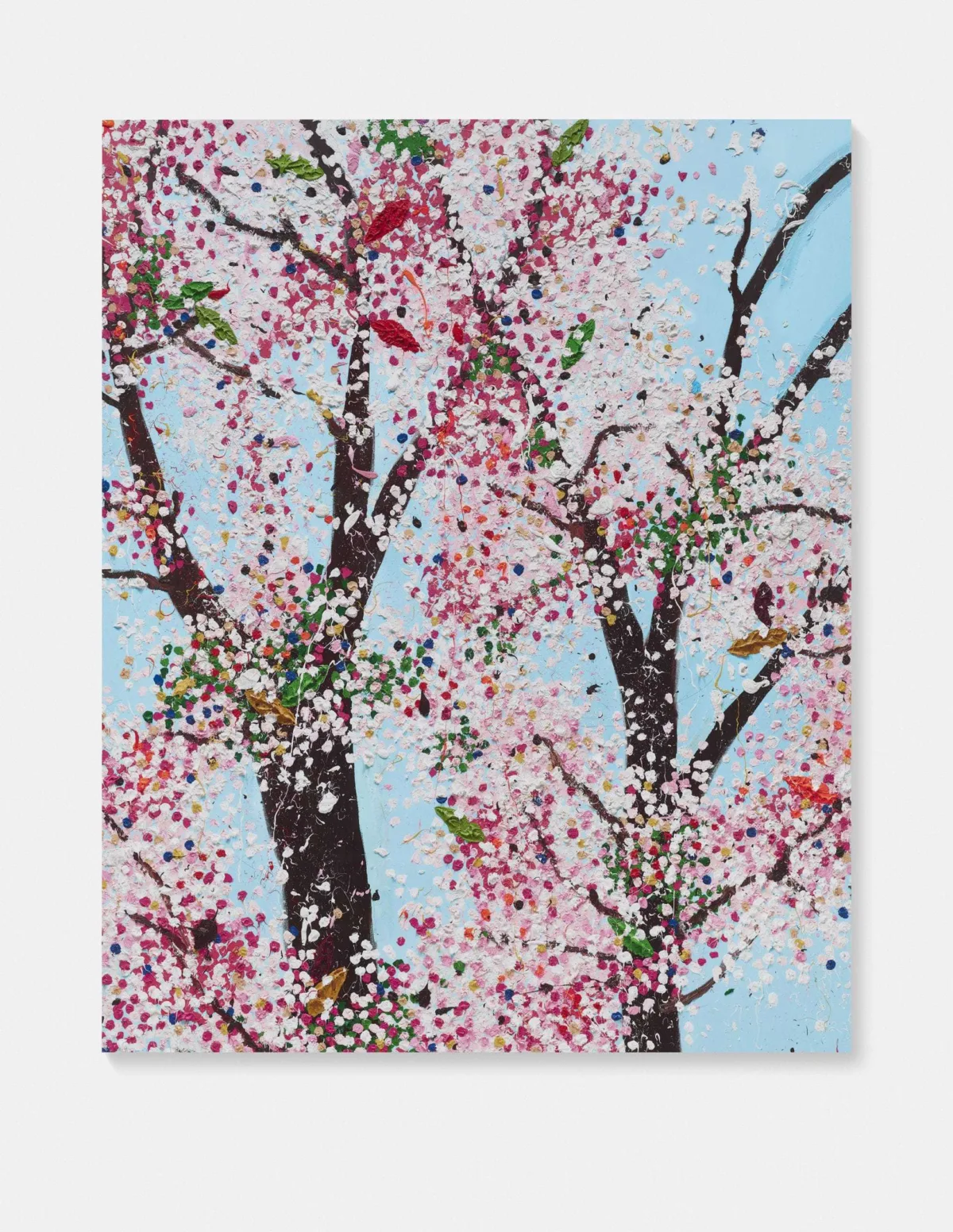
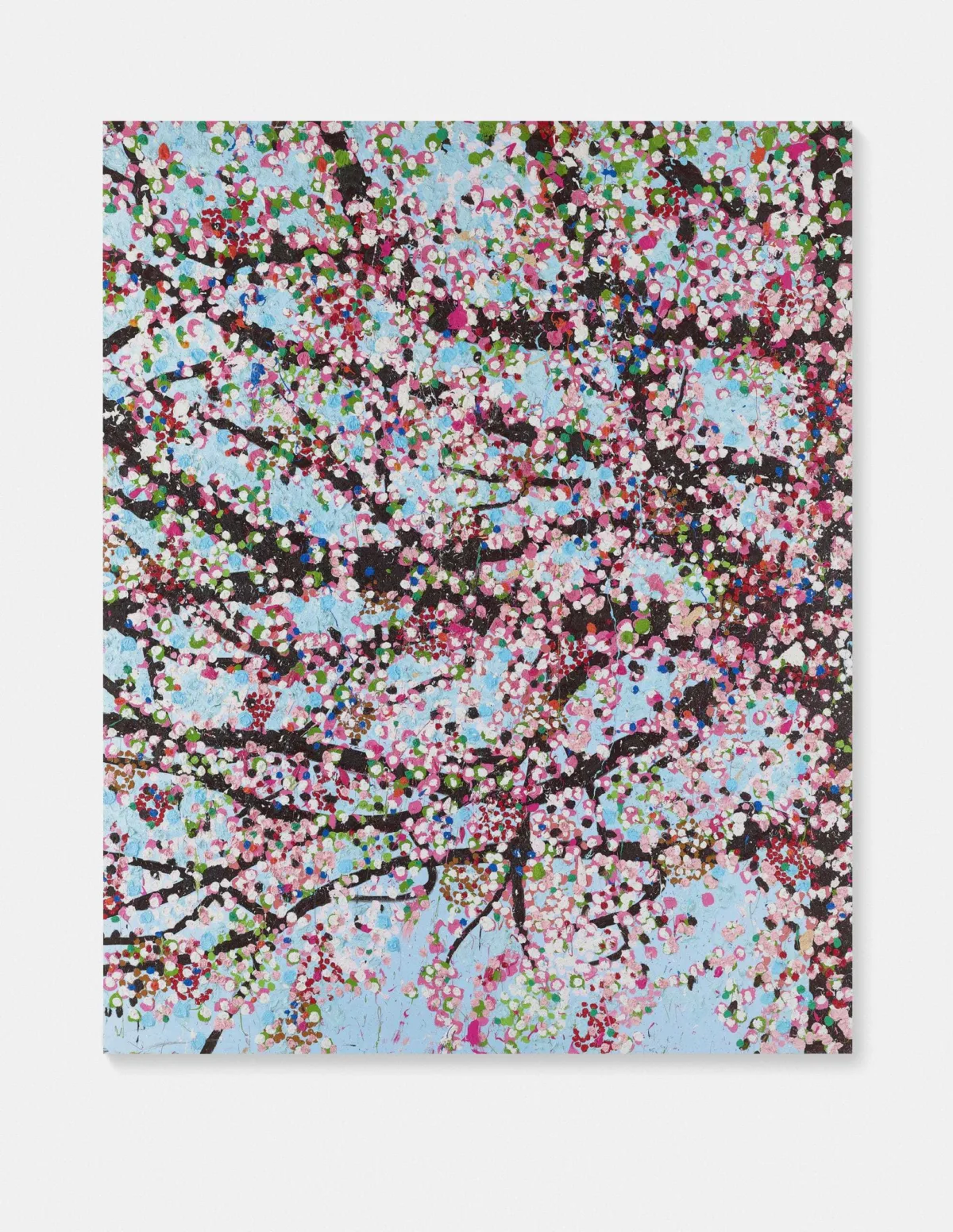
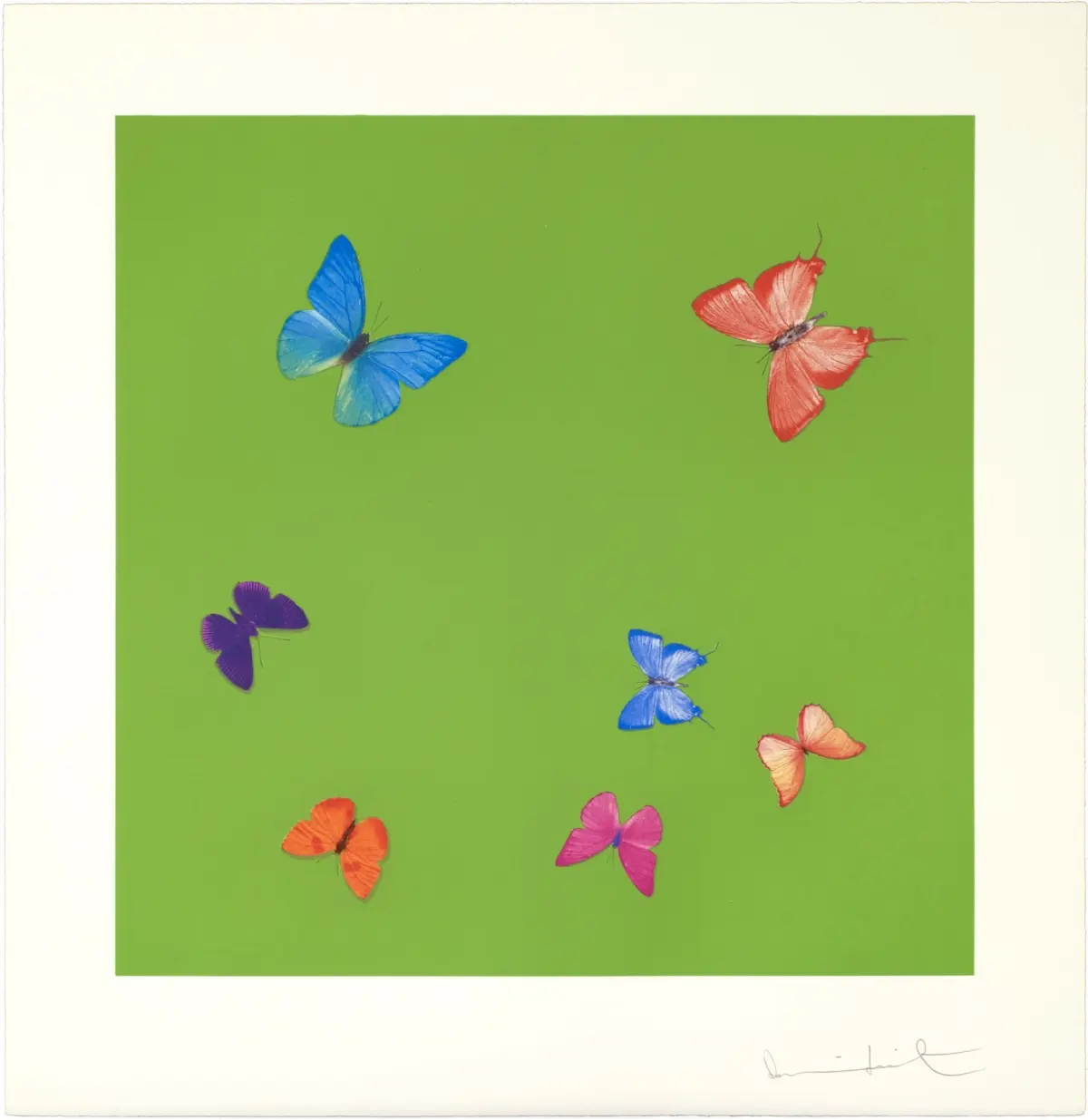
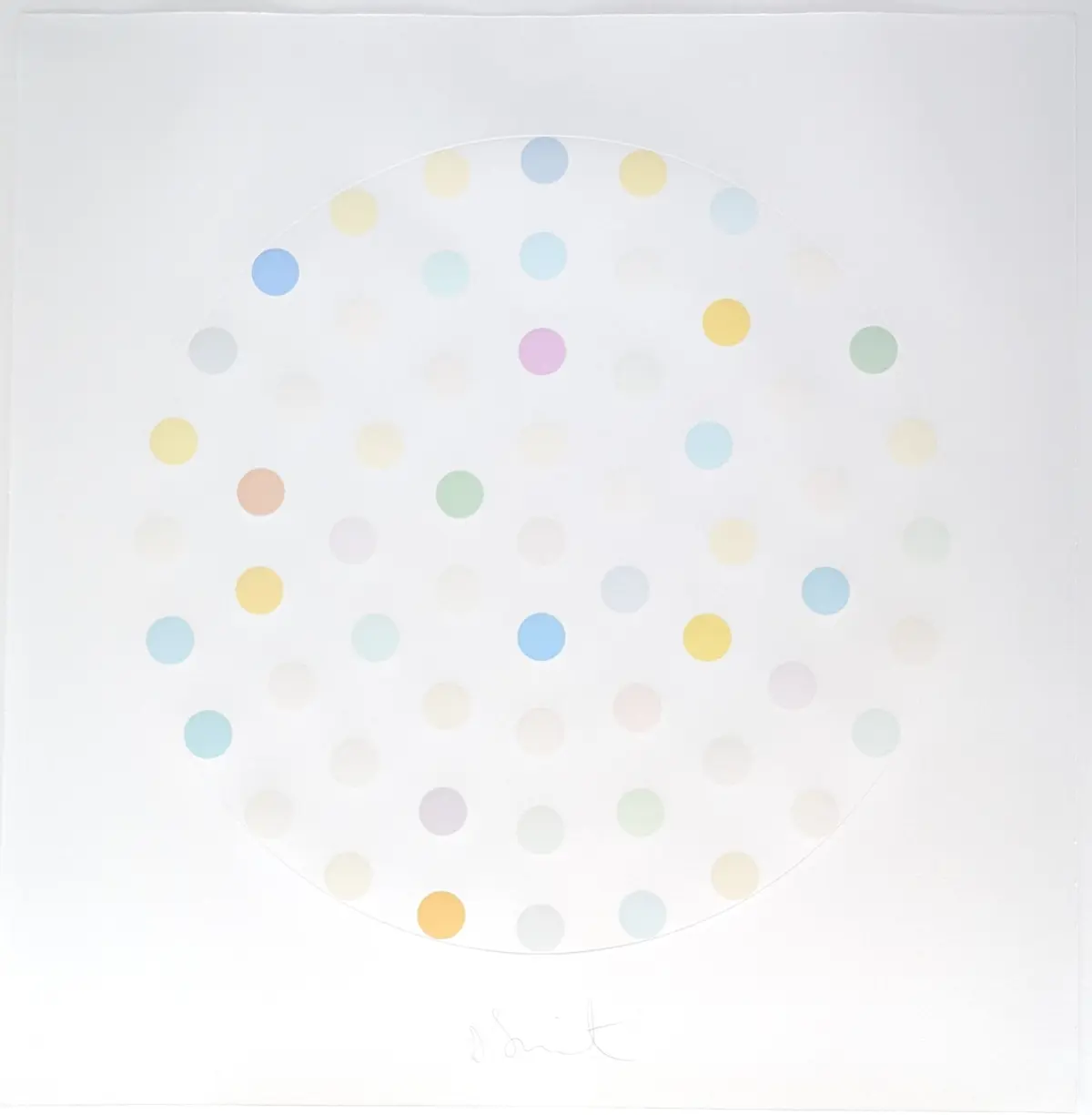
To his critics, Damien Hirst’s enterprise can feel like a calculated stunt, but calling it mere hype misses what’s actually holding it together.
Hirst’s practice goes beyond good marketing; it’s built on a deep curiosity about human vulnerability and the artists who came before him. To really understand the shark, the spots, and the cabinets, you have to unpack the influences behind them; keep reading.
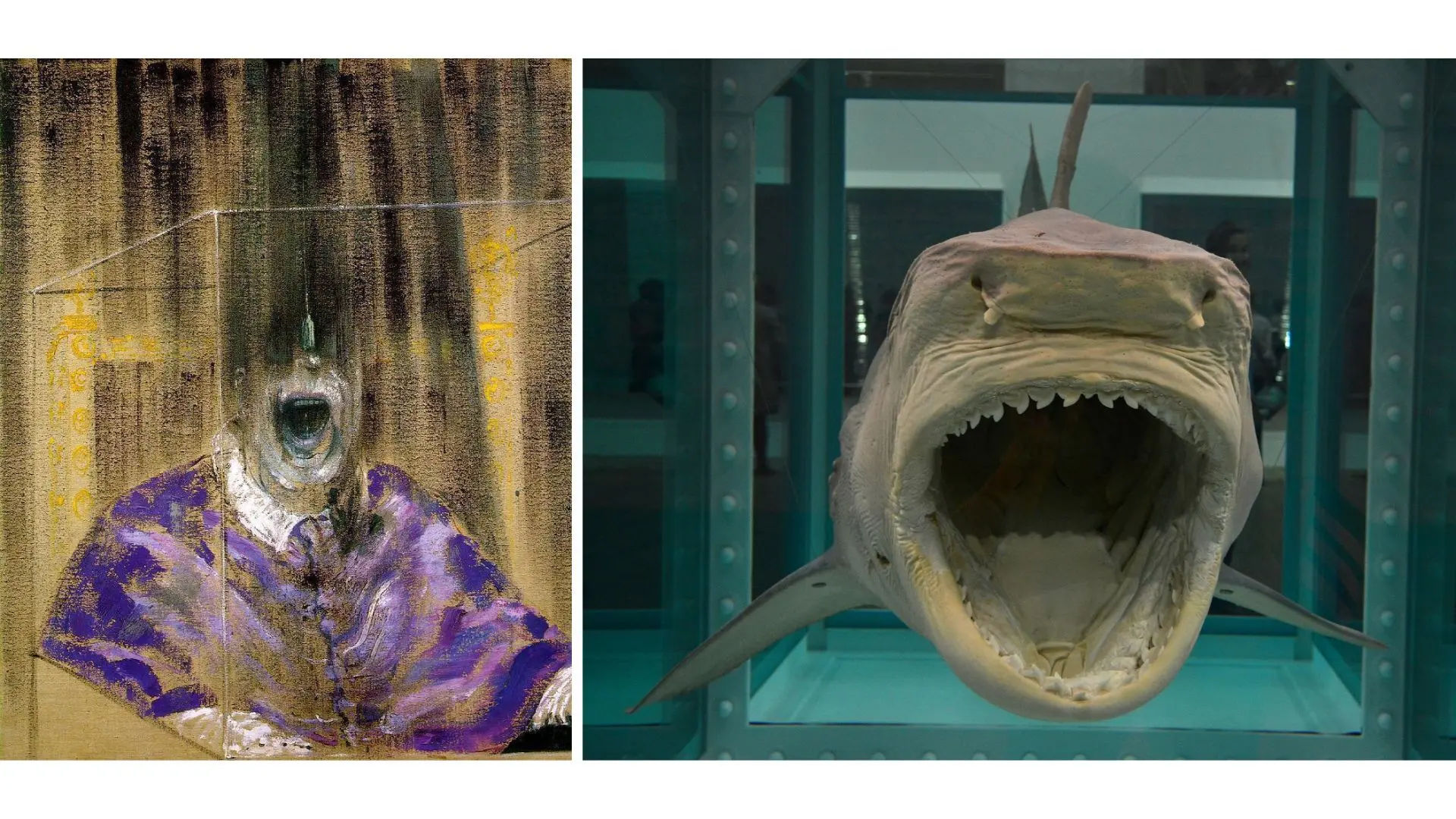
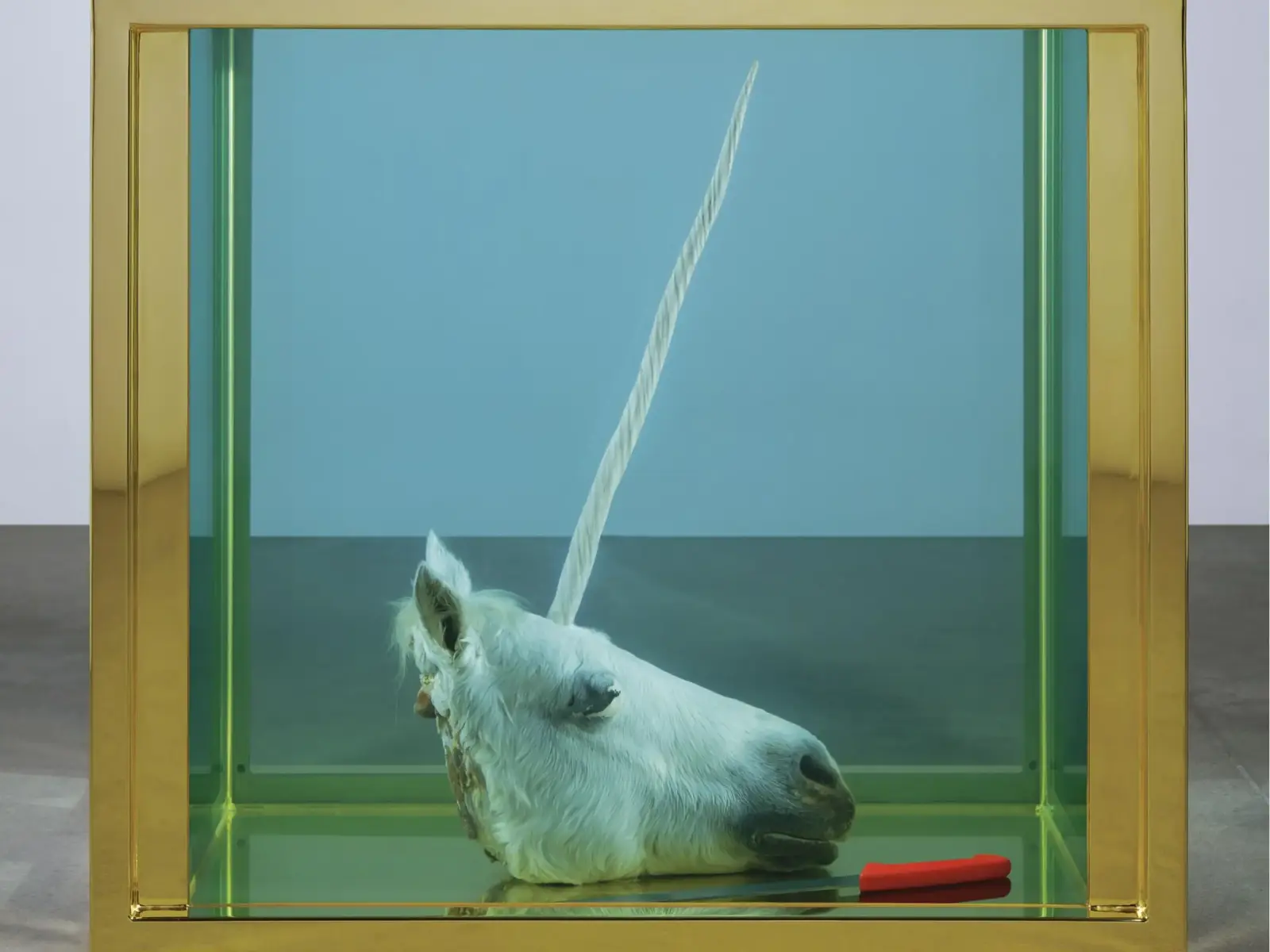
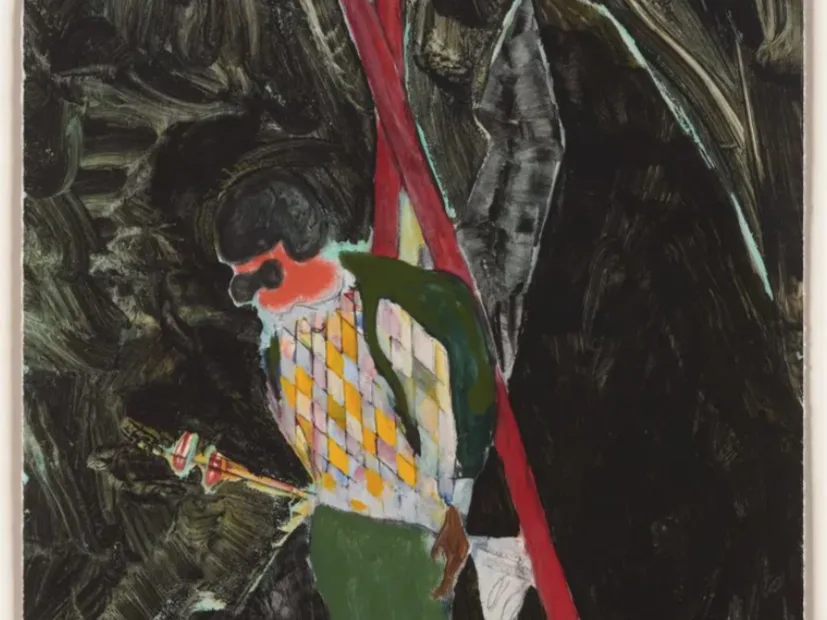
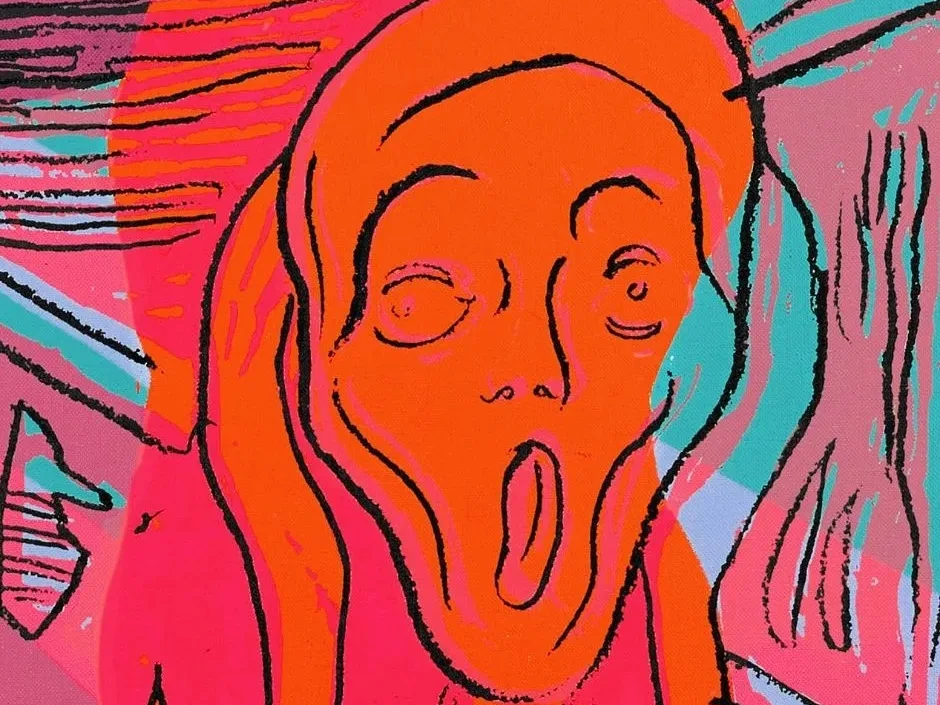
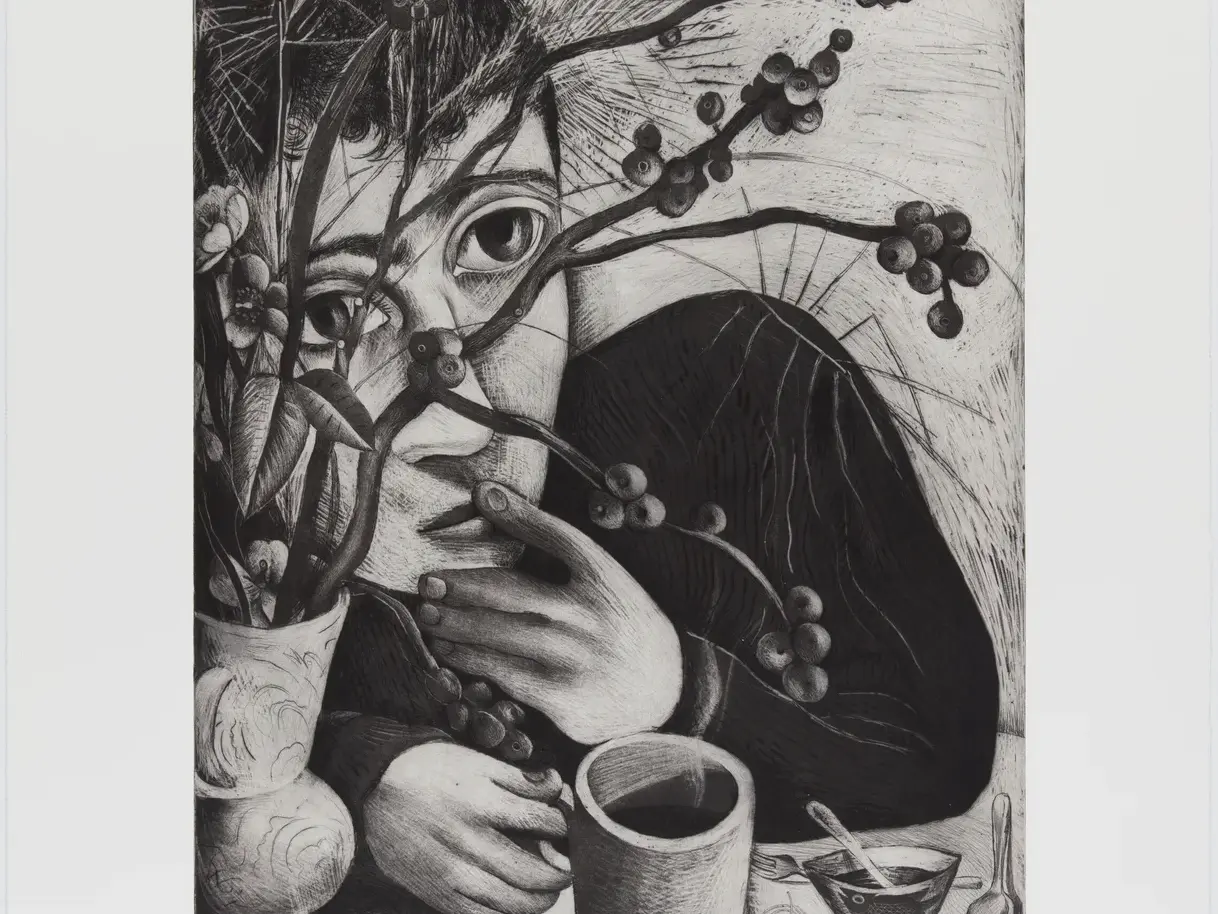
Francis Bacon is arguably the most direct visual ancestor of Hirst’s early installations. Bacon’s obsession with butchered meat, screaming figures, and framing human agony inside transparent, geometric "space frames" directly inspired Hirst’s glass vitrines.
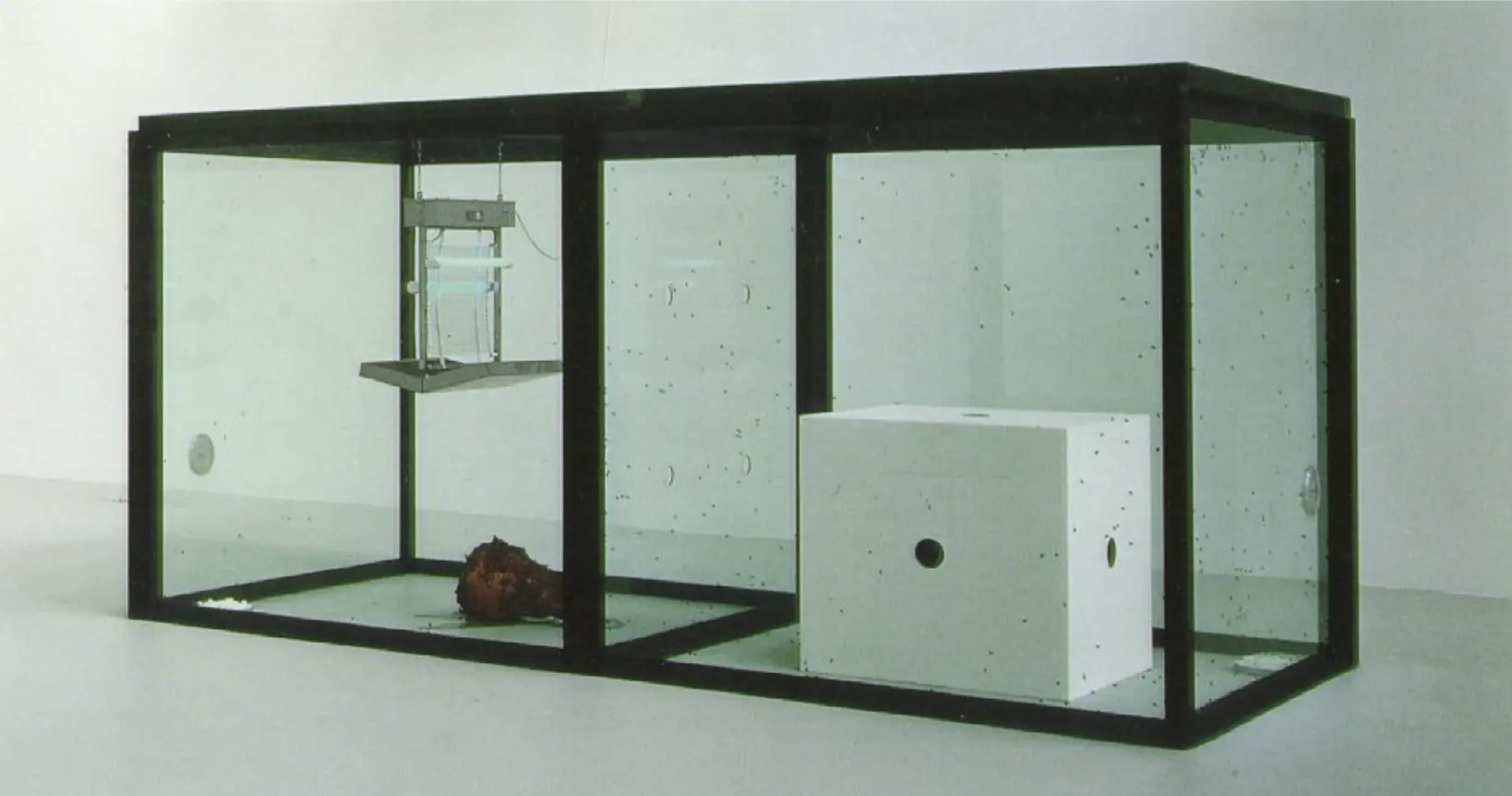
When Bacon visited Hirst’s breakout Freeze era shows shortly before his death, he famously spent hours looking at A Thousand Years, recognising his own brutal language realised in the flesh.
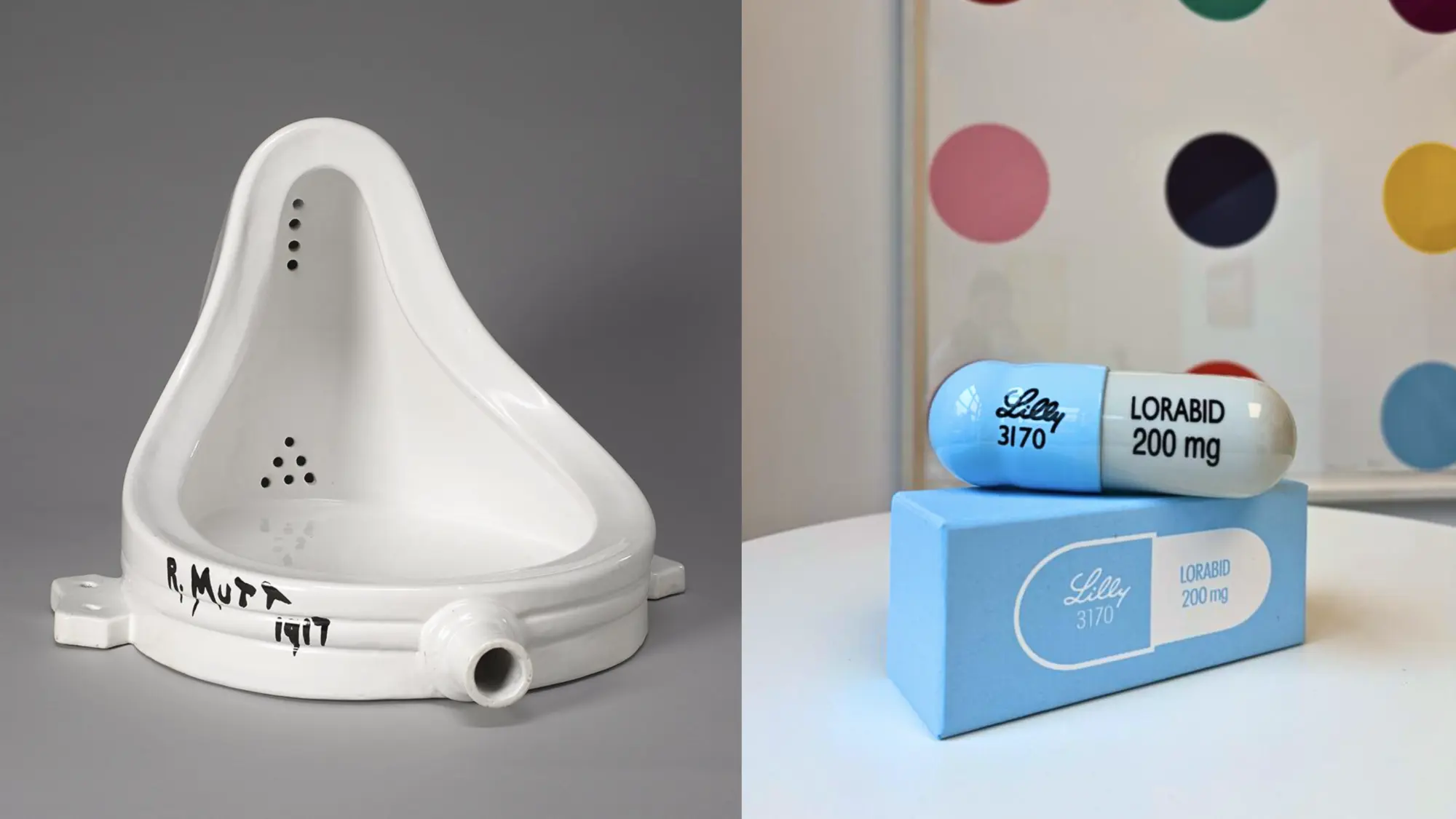
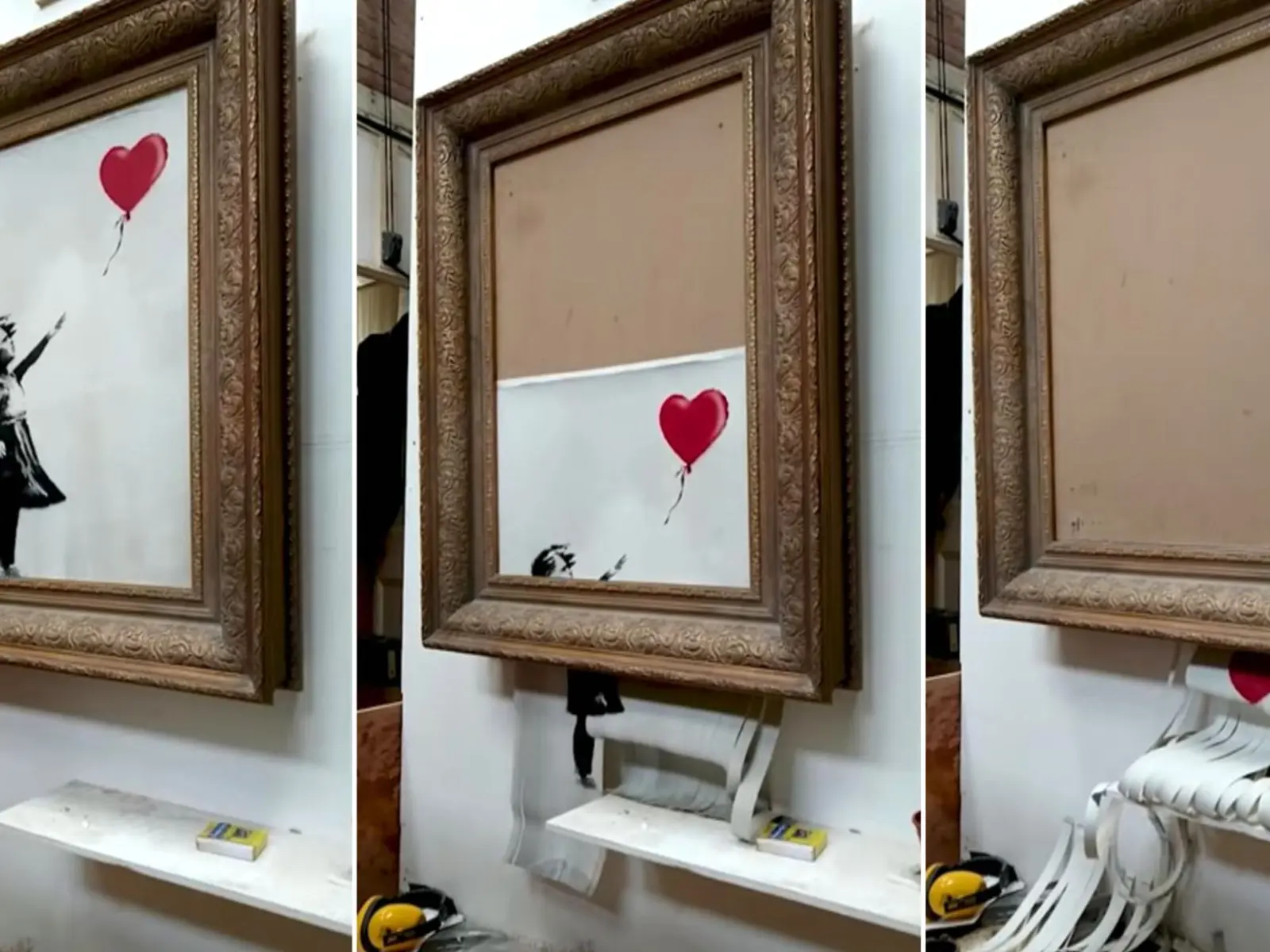
Duchamp challenged the traditional notion that art requires physical craftsmanship or aesthetic beauty. He argued that art is defined by the artist's conceptual choice and introduced the idea that selecting a ready-made object and placing it in a gallery context is the artwork.
Hirst took this idea and pushed it to extremes. Instead of sculpting a lamb to represent mortality and vulnerability, he simply bought one and let Duchamp’s logic do its work.
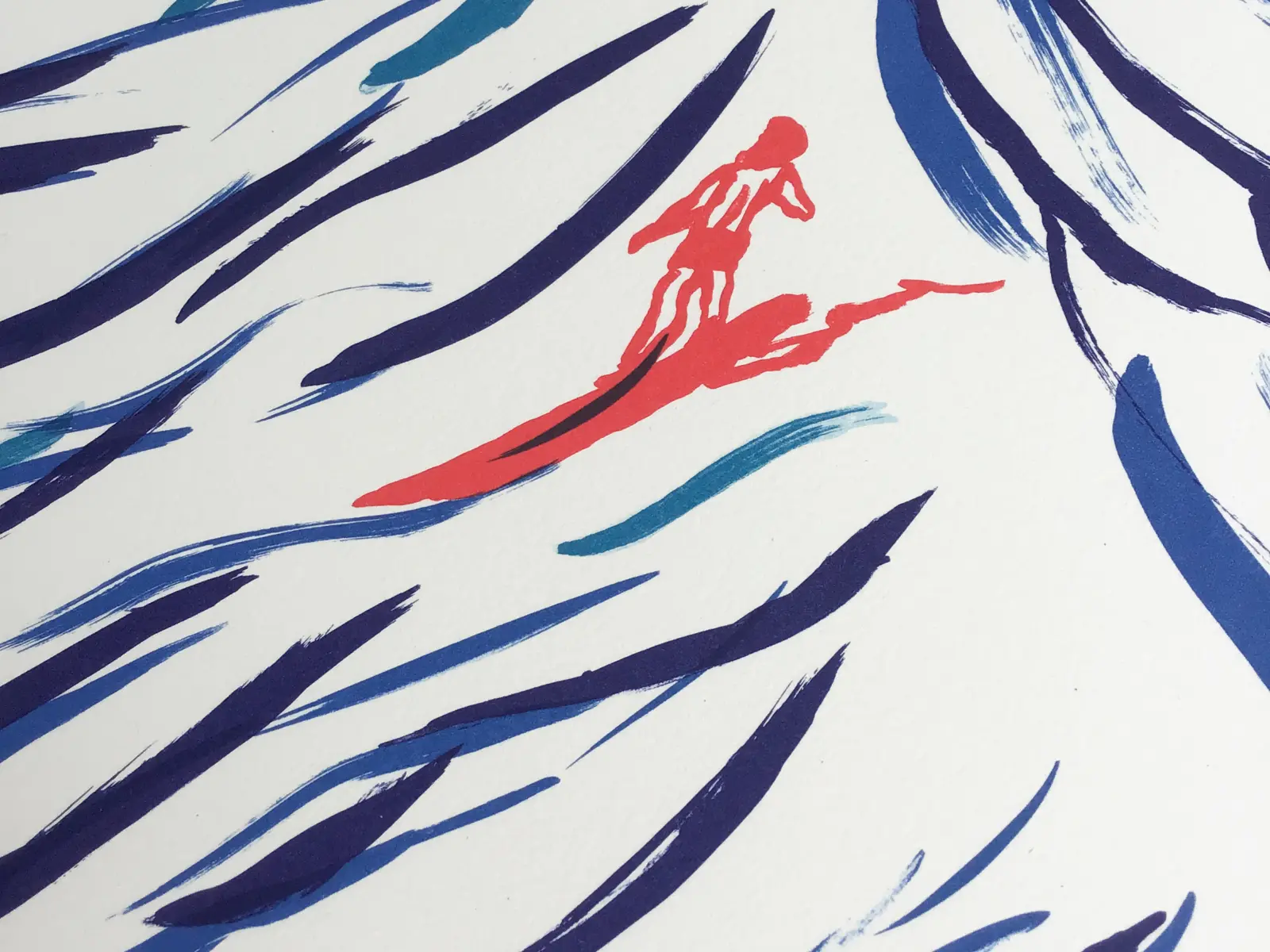
While studying at Goldsmiths, Hirst became fascinated by Sol LeWitt’s structures.
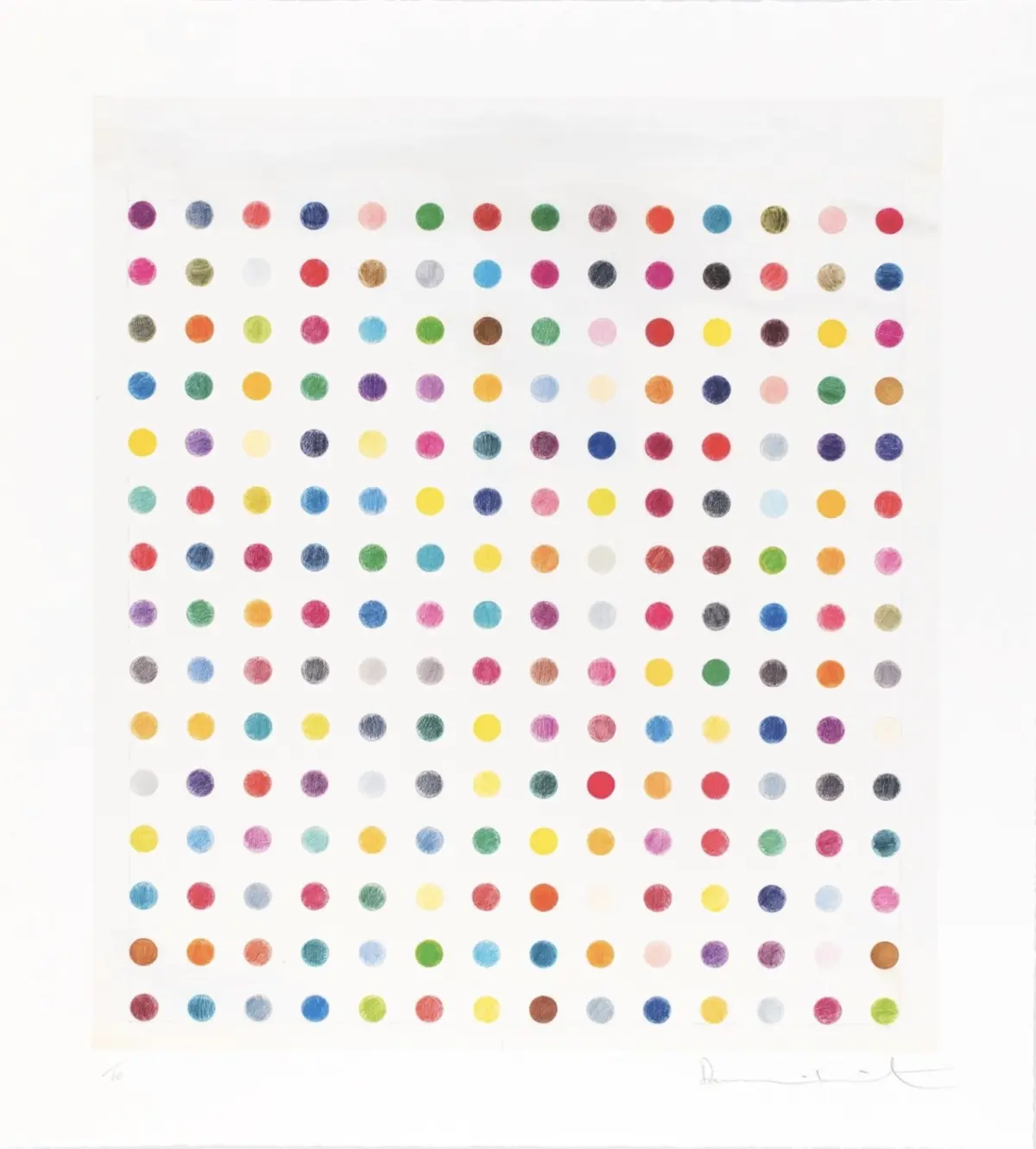
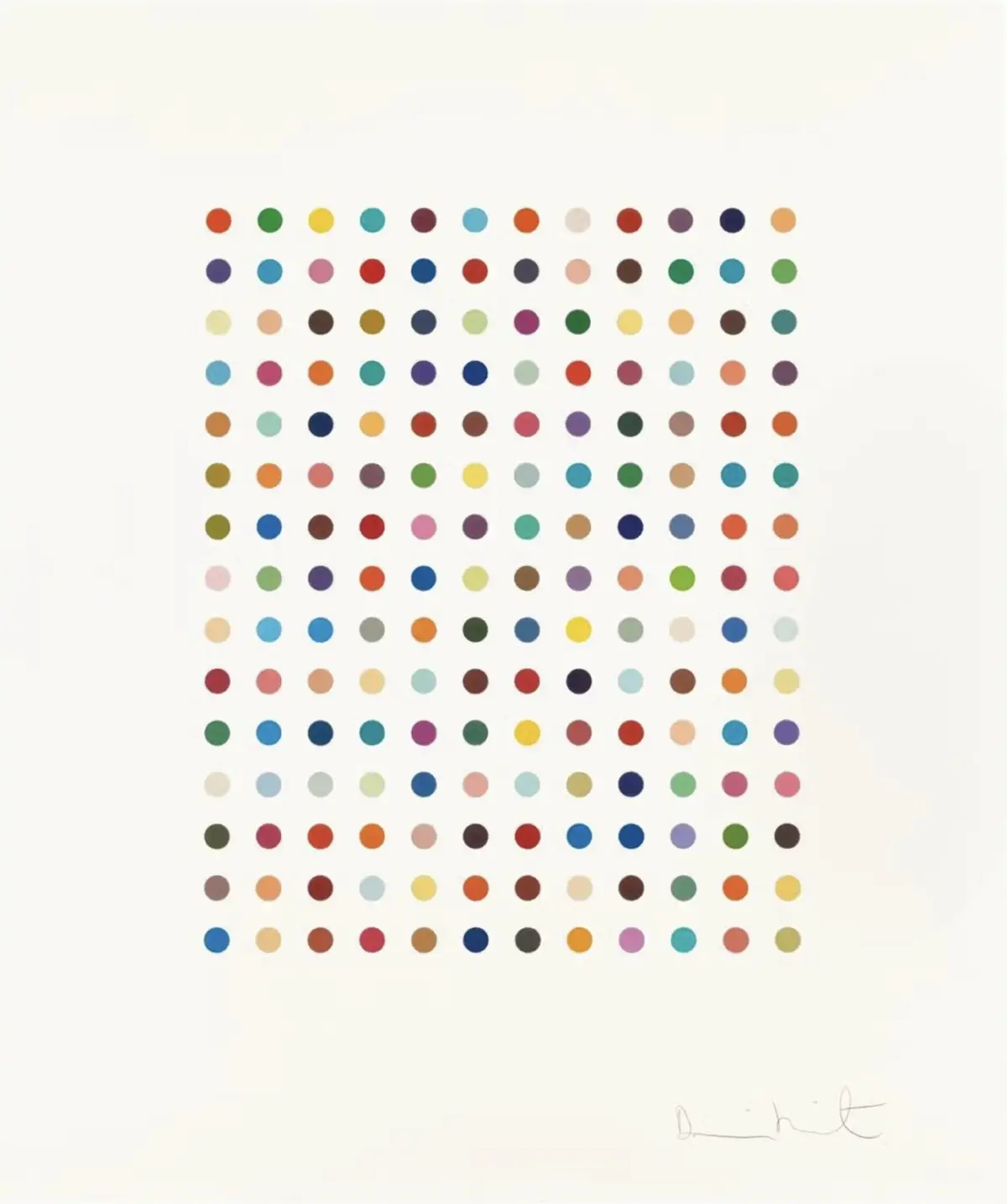
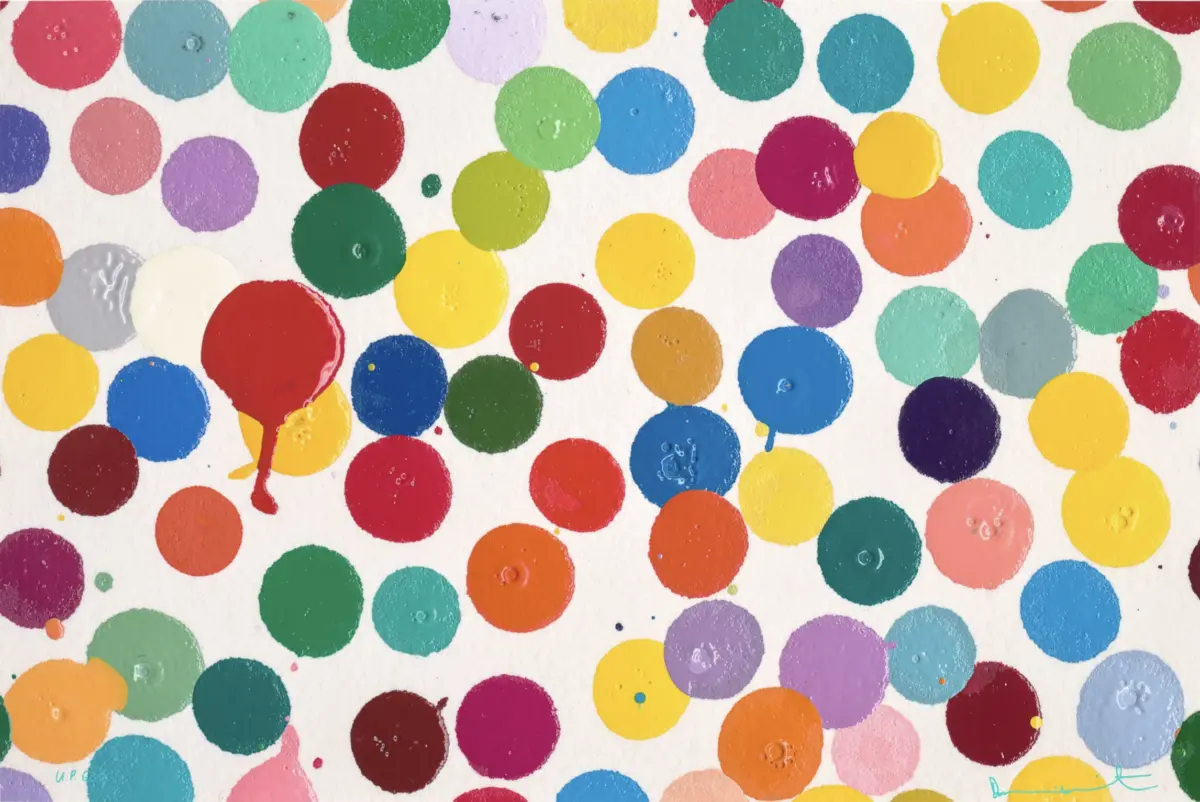
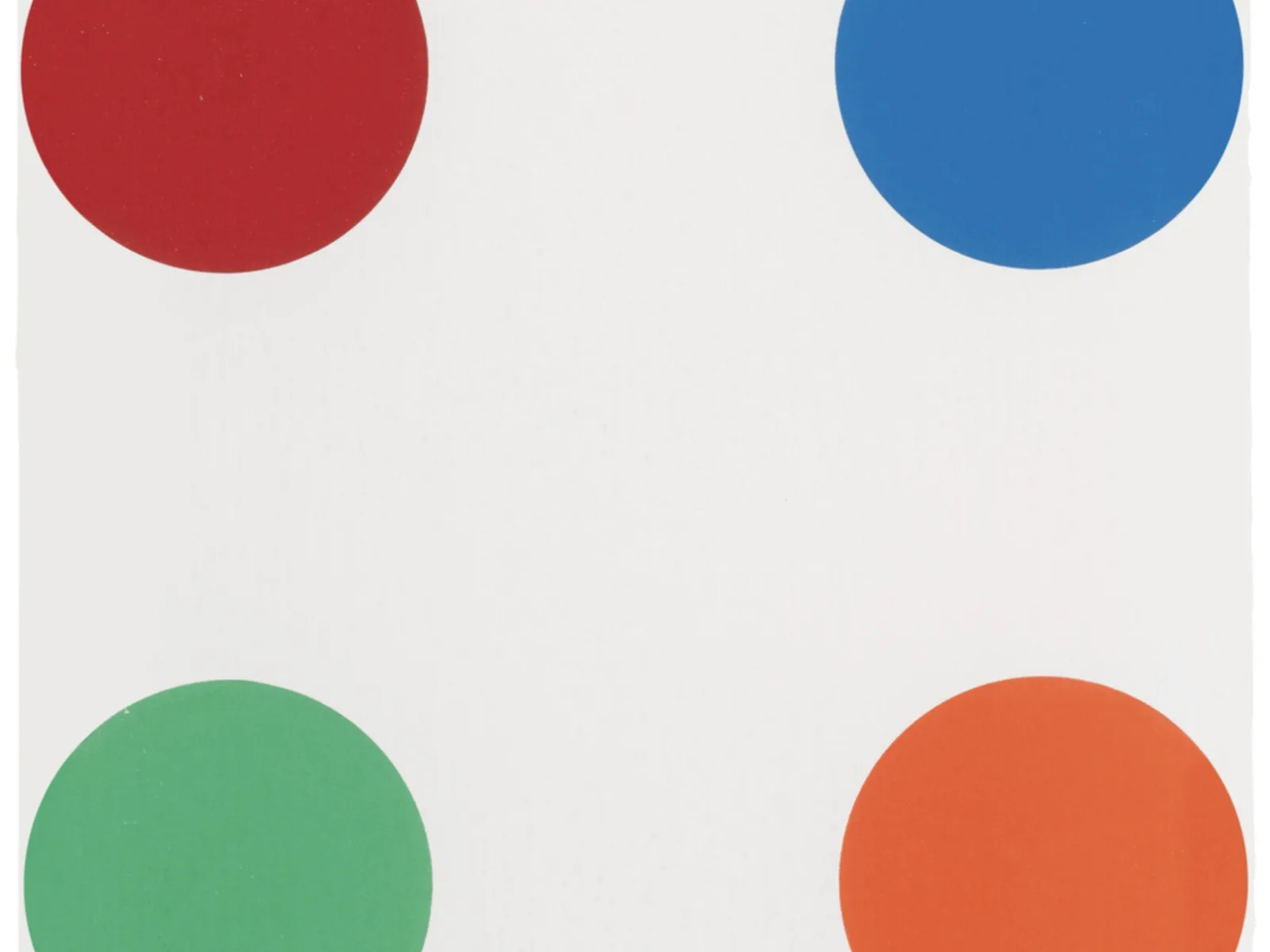
LeWitt stripped art down to open geometric cubes, industrial materials, and systematic seriality. That minimalist language became the foundation for Hirst’s entire career and the inspiration behind his clinical steel vitrines or the infinite grids of his spot paintings.
He would later remark that his breakthrough came from a simple, subversive thought:
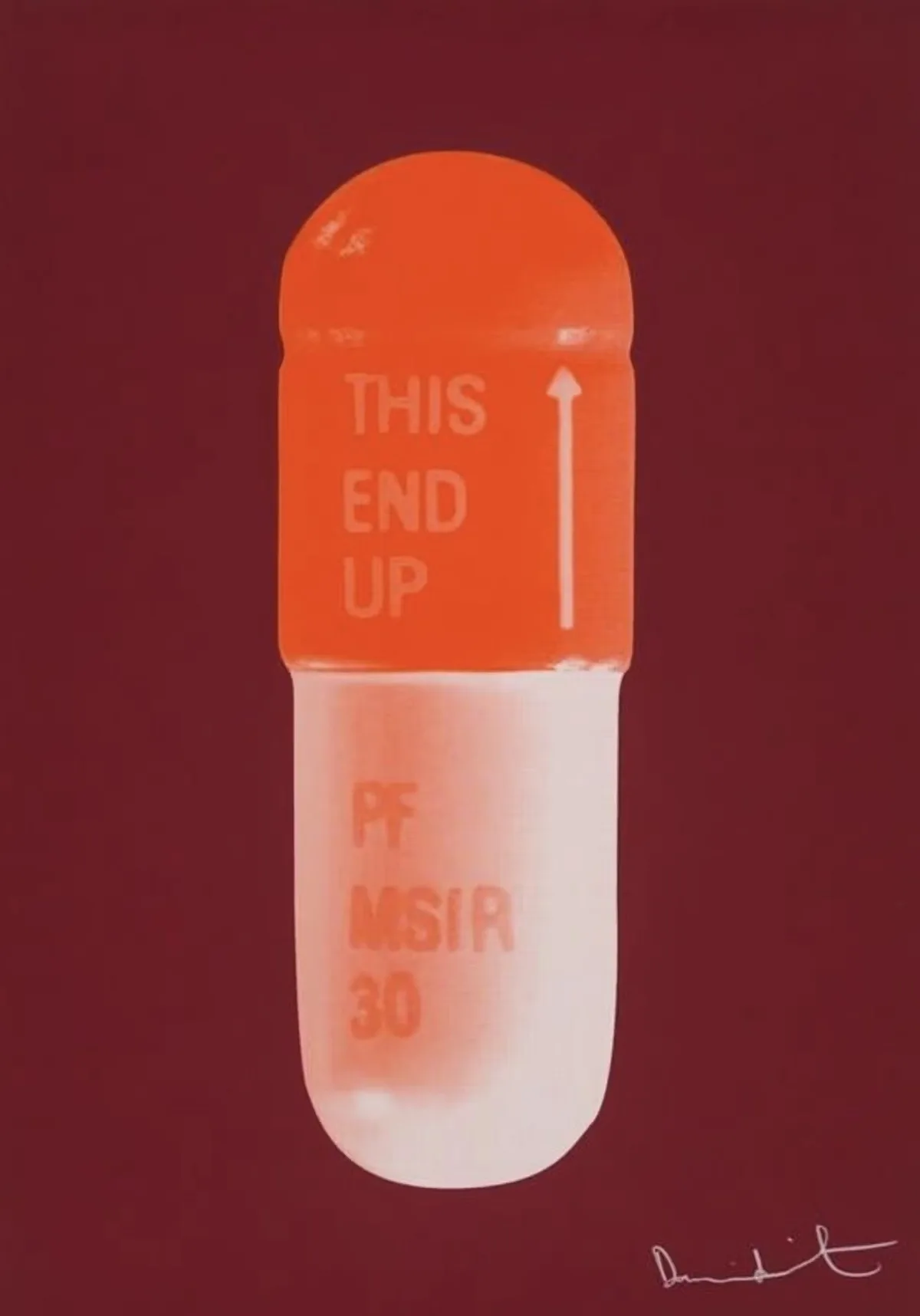
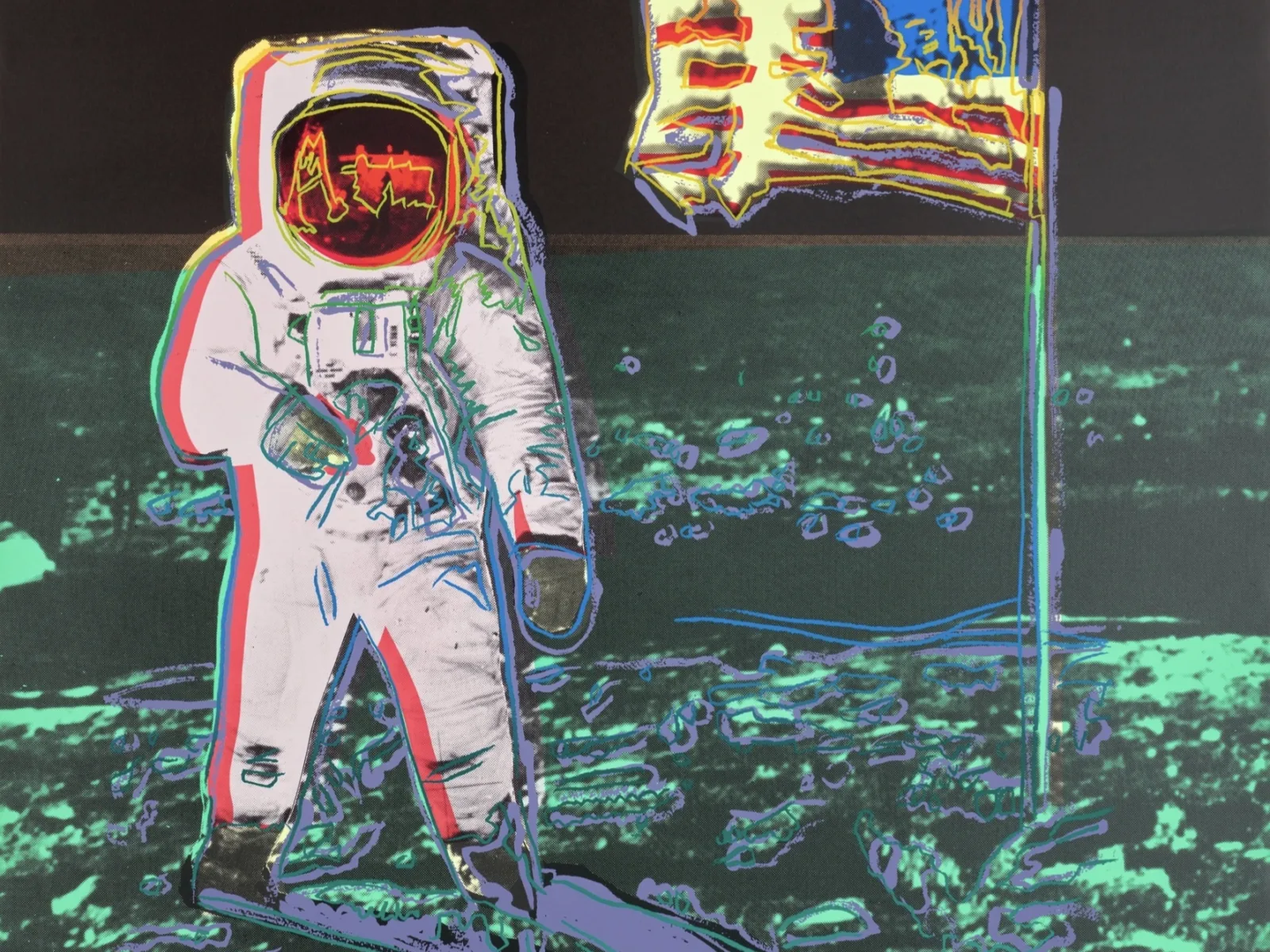
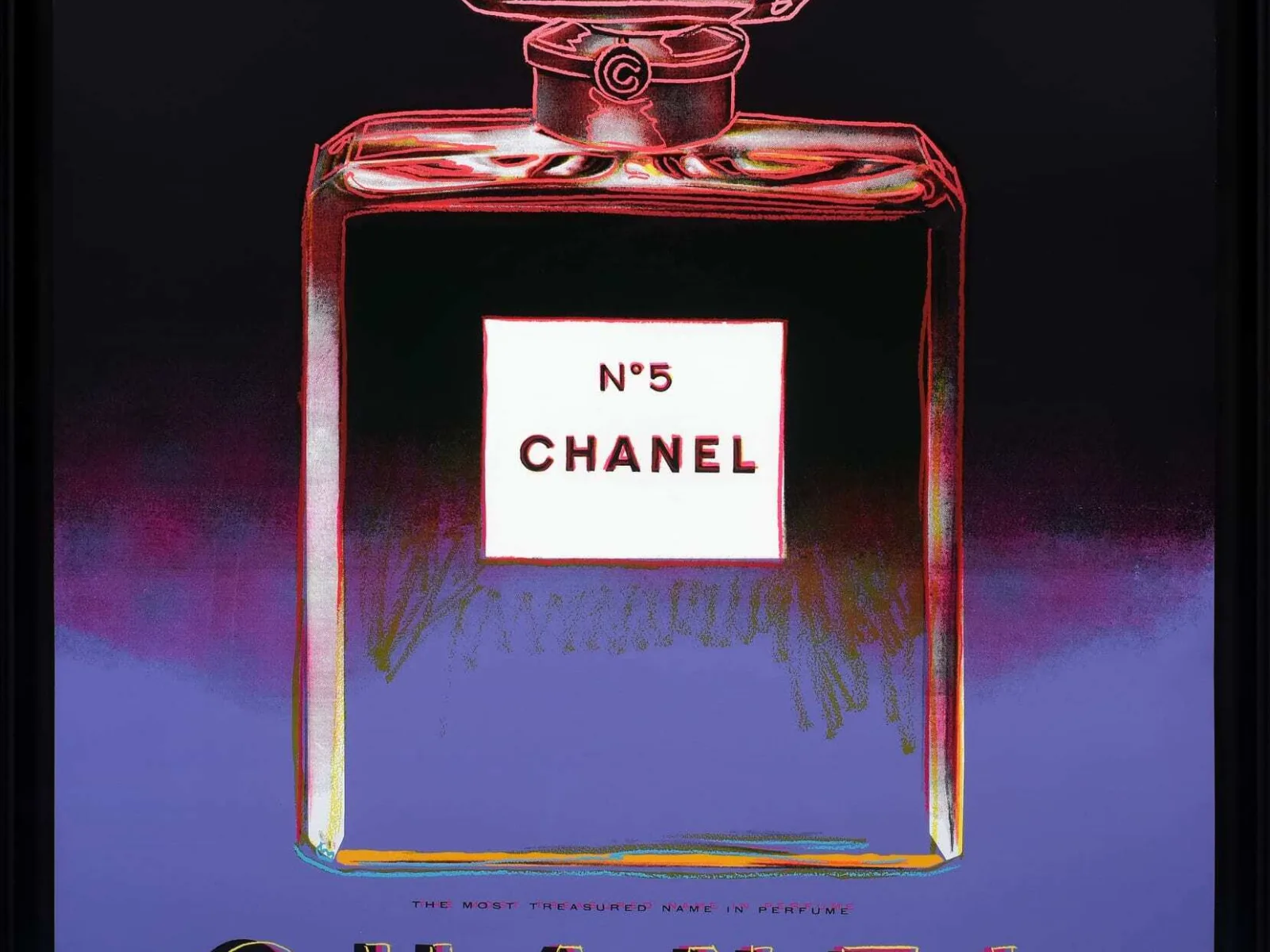
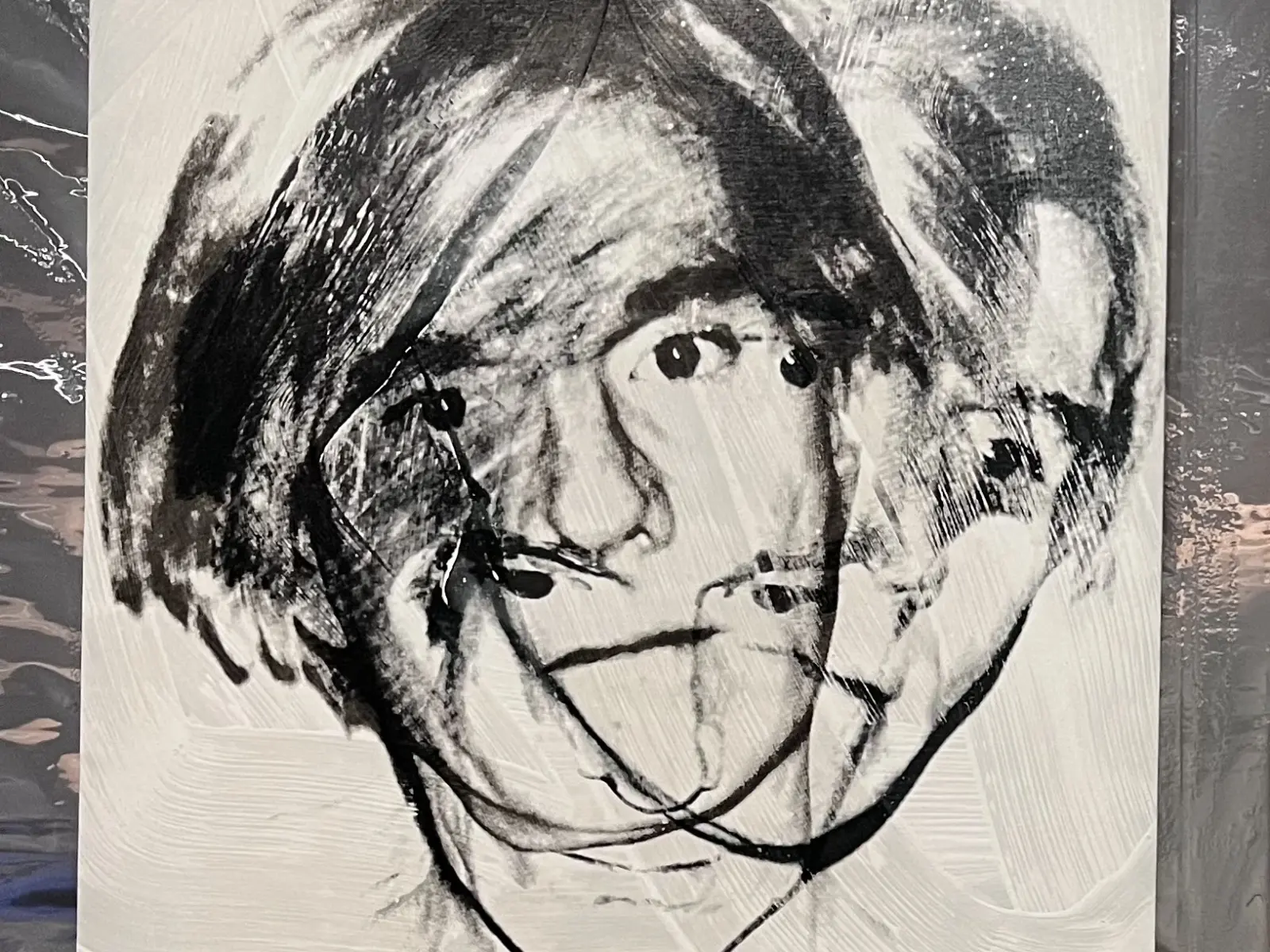
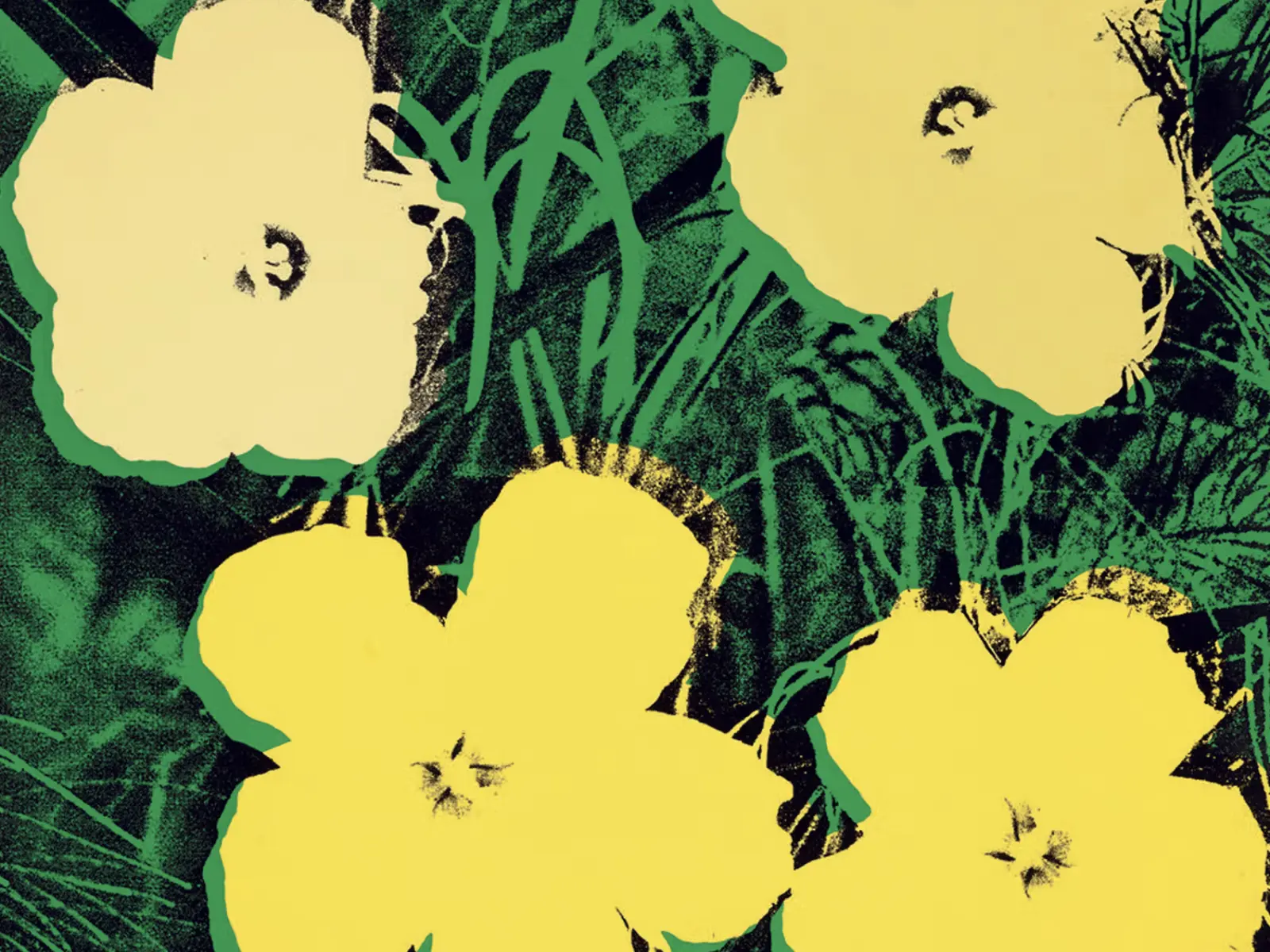
Warhol made it acceptable for an artist to openly embrace business, consumer culture, and mass production. Hirst built heavily on Warhol’s "Factory" model through his own company, Science Ltd, employing armies of skilled assistants to cast pills, pin butterflies, and paint thousands of identical spots.
Beyond physical production, Hirst inherited Warhol’s belief that PR, market spectacle, and astronomical price tags are legitimate media for an artist to play with.
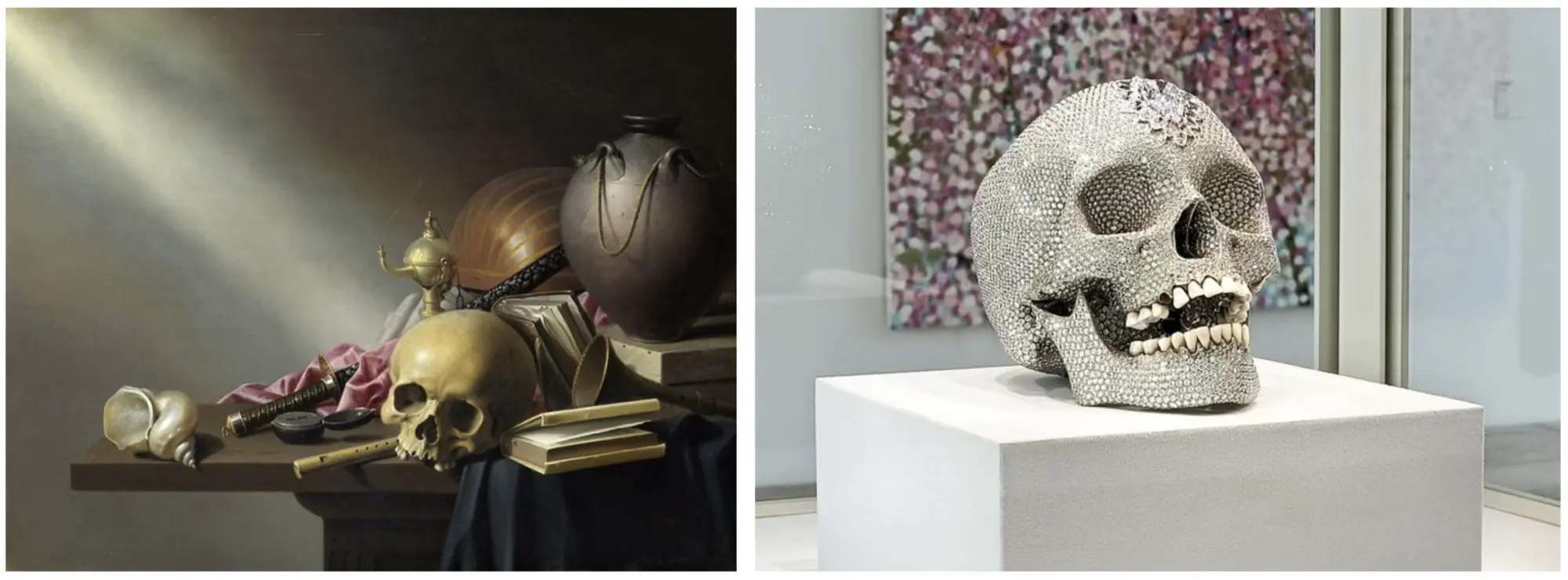
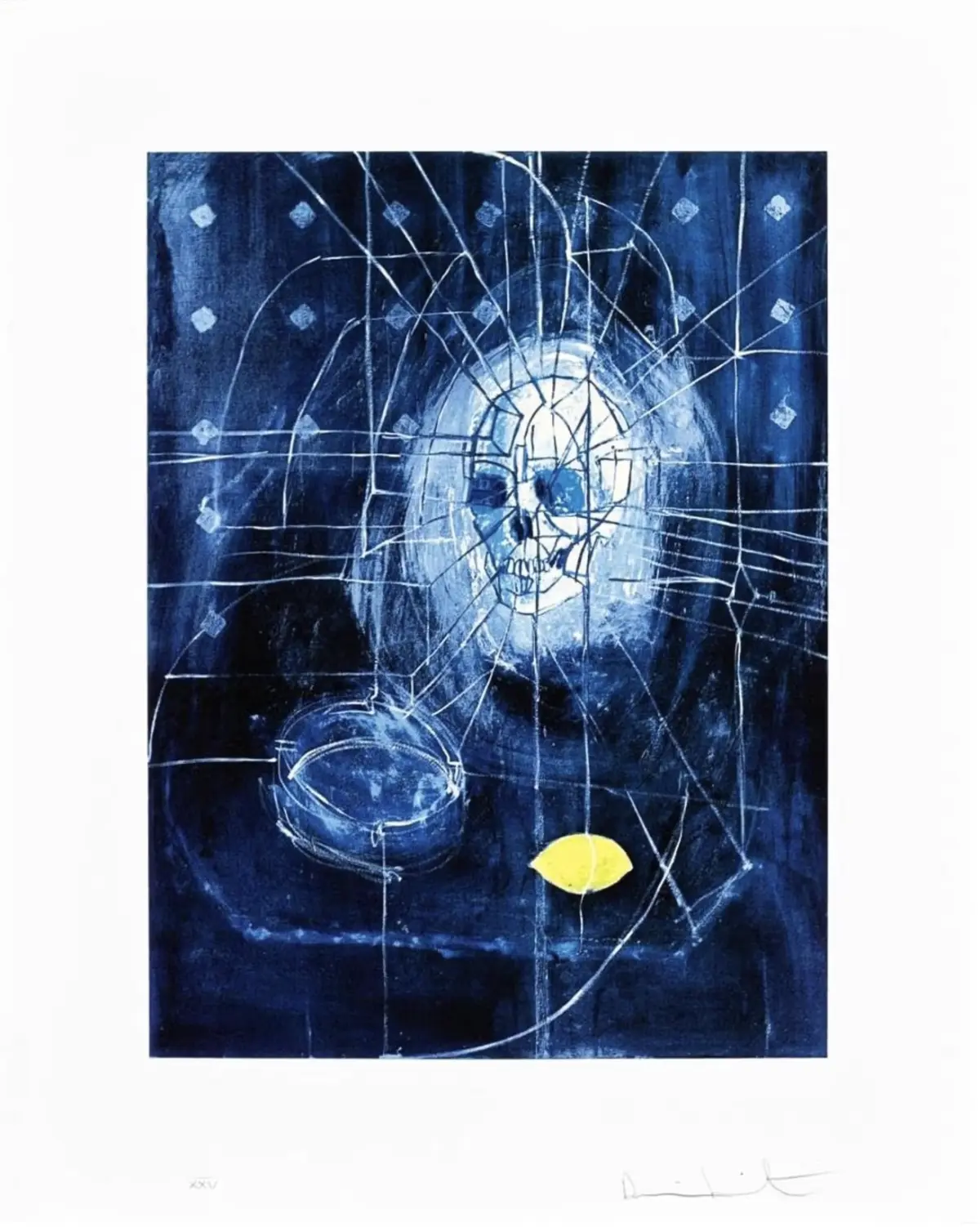
Centuries before Hirst ever cast a skull in platinum, Dutch Golden Age artists used skulls, rotting fruit, and hourglasses as vanitas: visual reminders of mortality and the emptiness of earthly wealth.
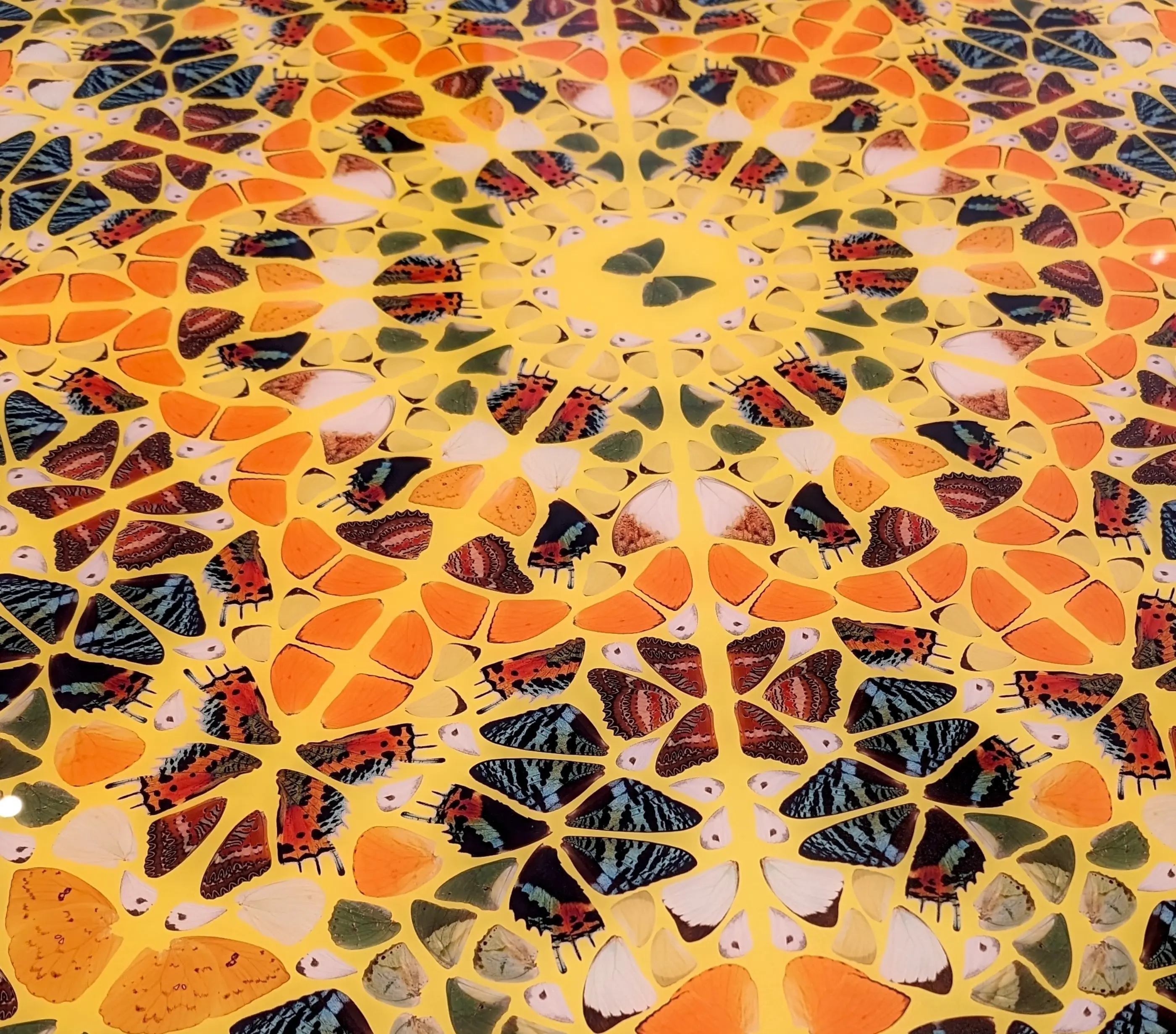
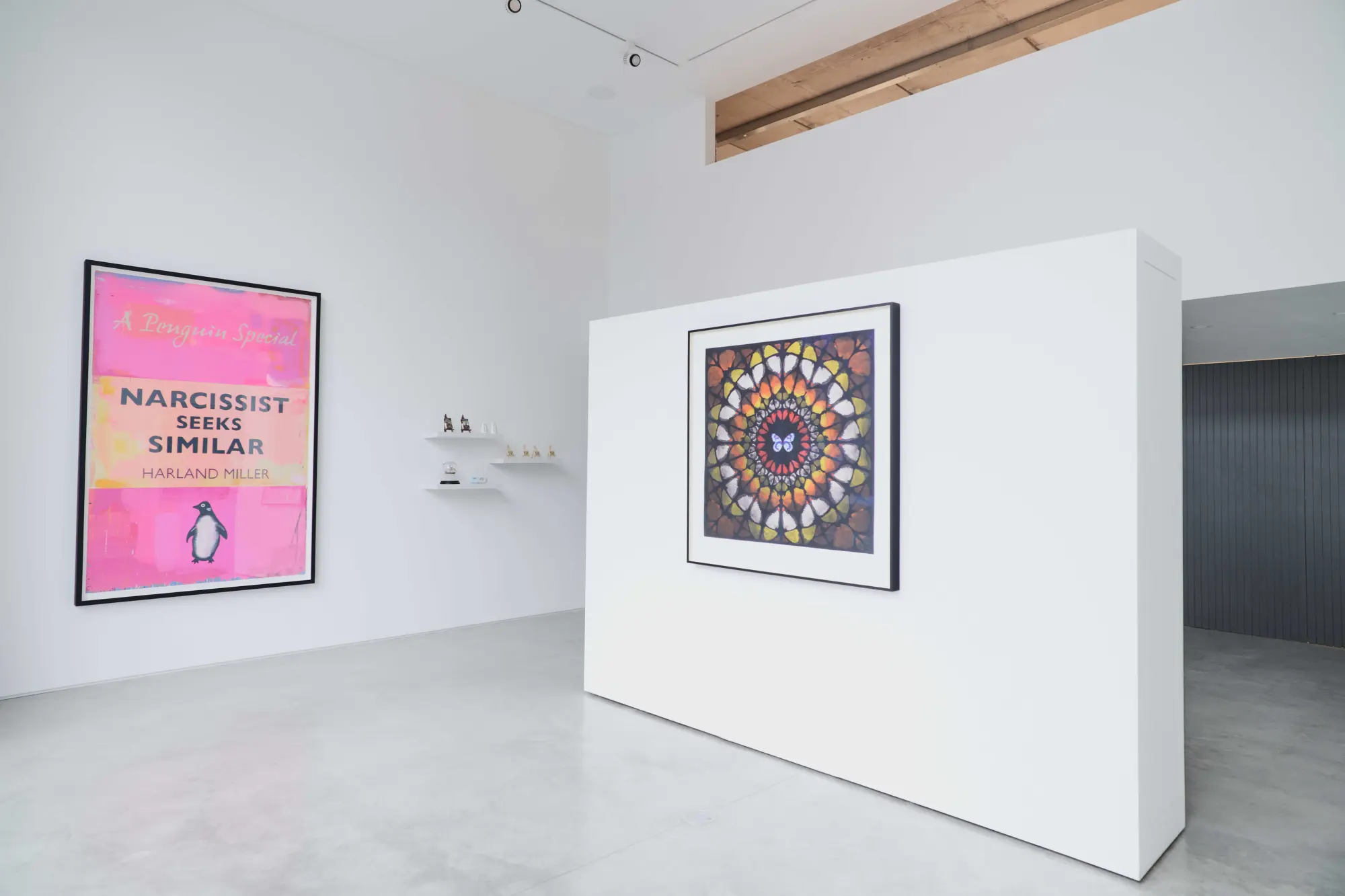
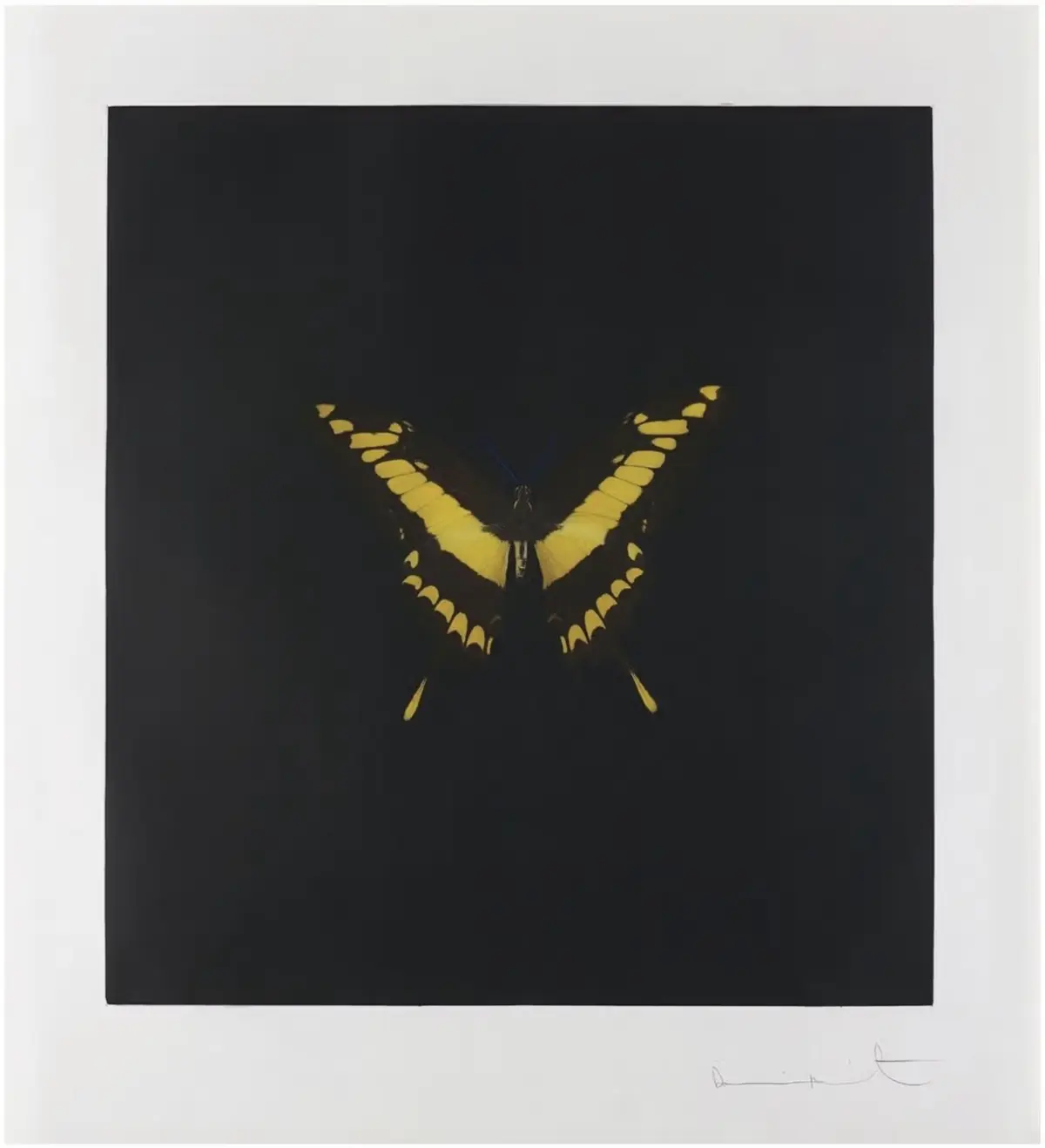
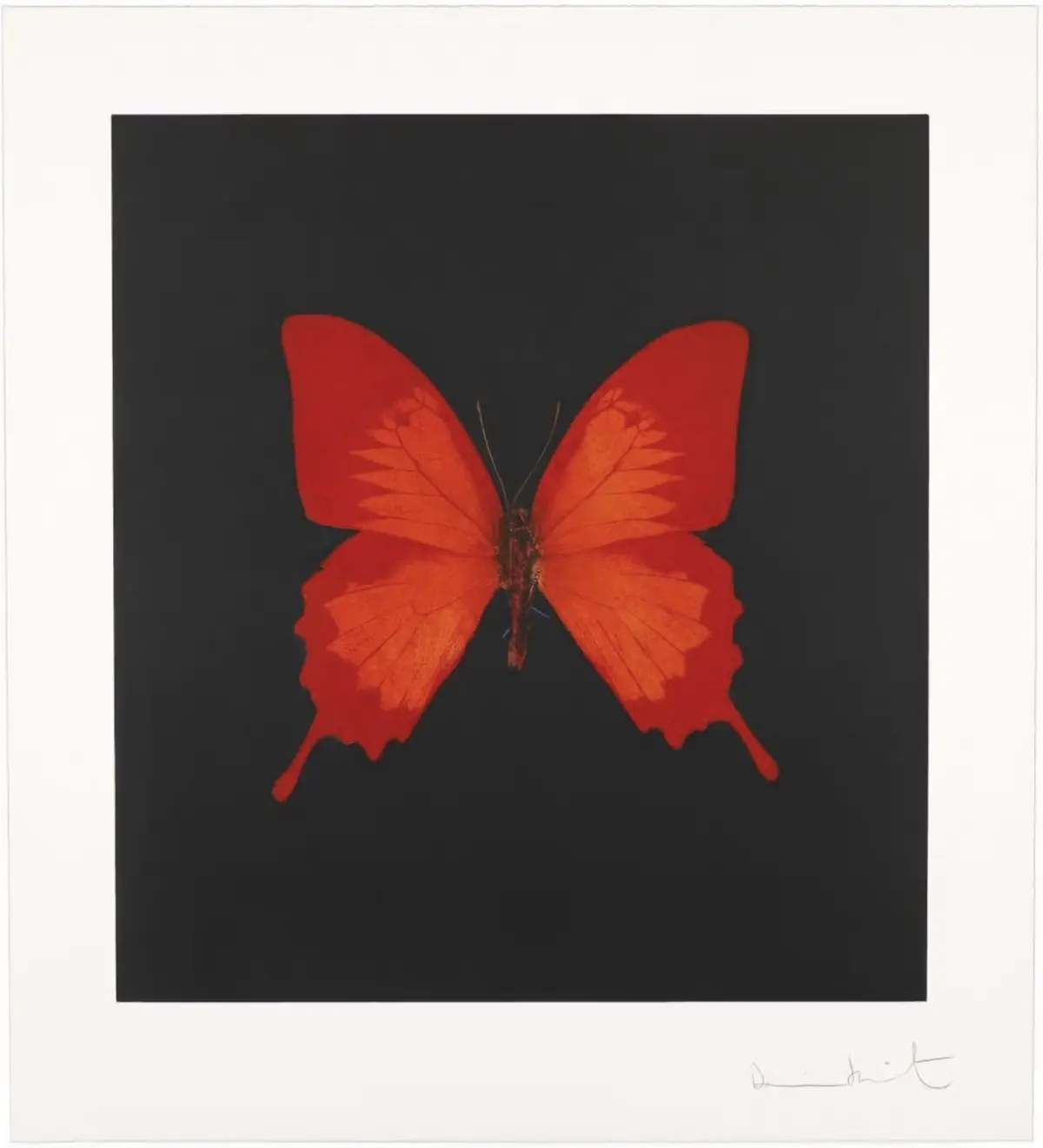
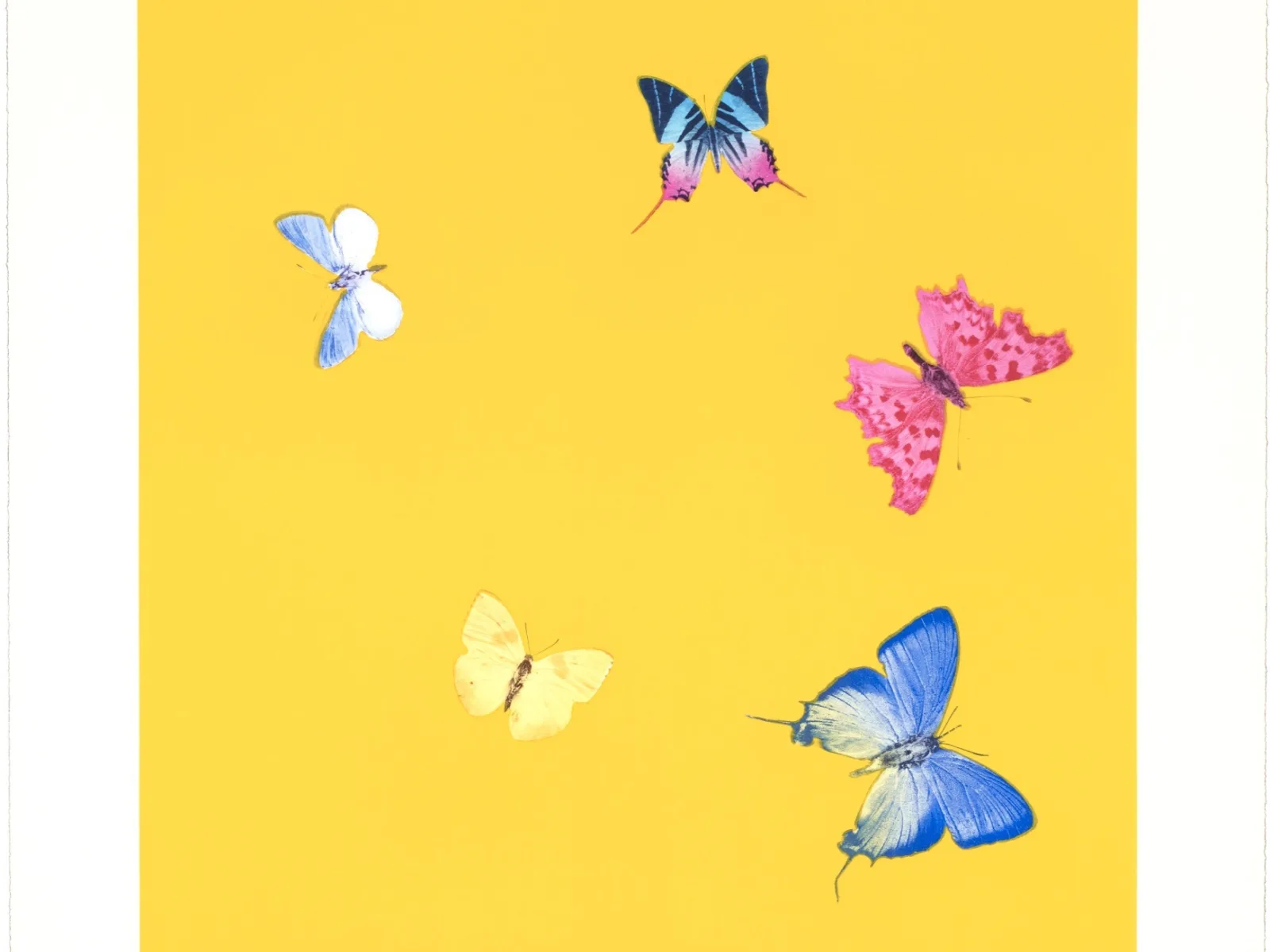
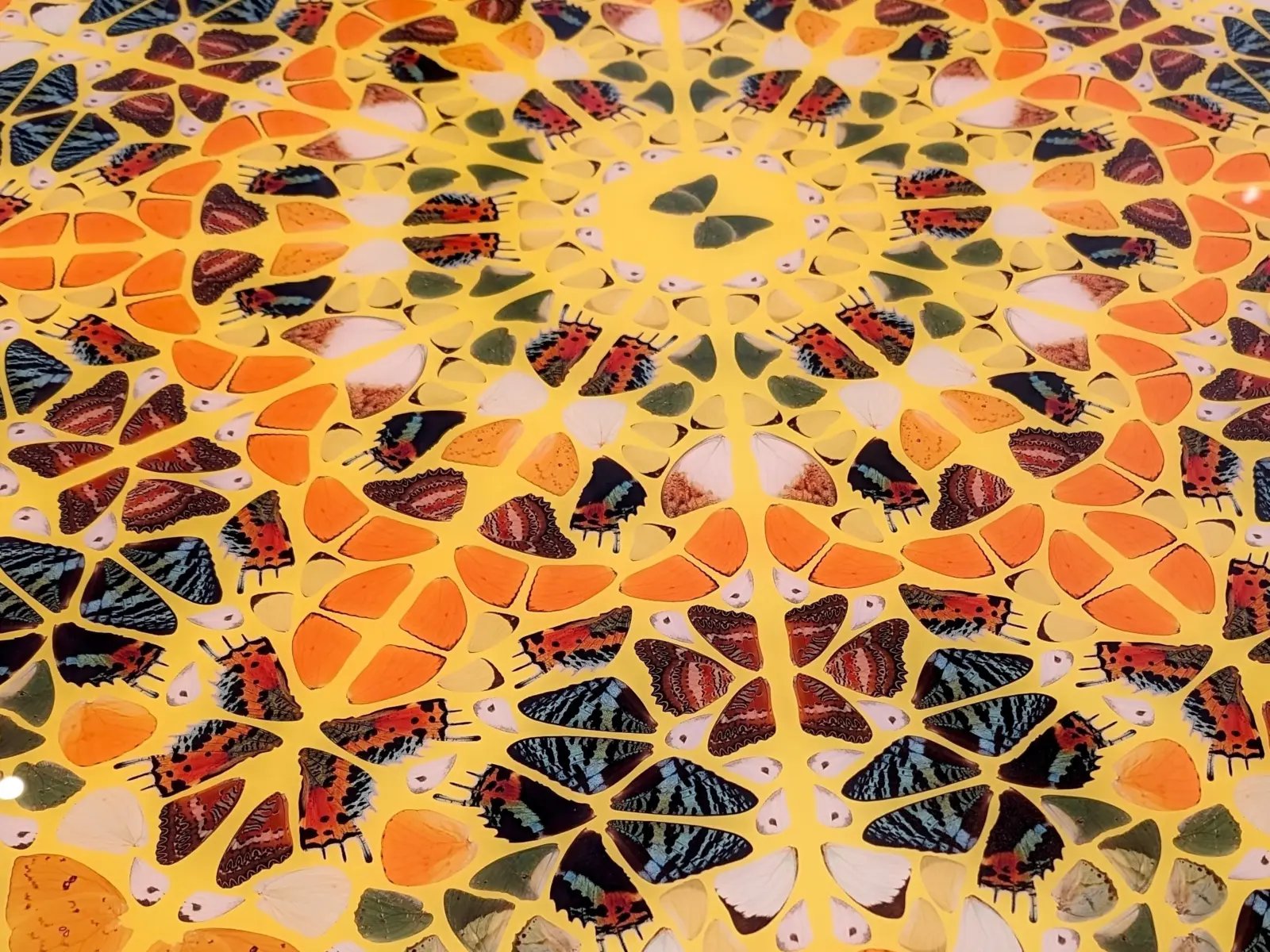
Whether pinning iridescent butterfly wings into stained-glass cathedral patterns or encrusting an 18th-century human skull with 8,601 flawless diamonds (For the Love of God), he relies directly on the visual vocabulary of the Old Masters.
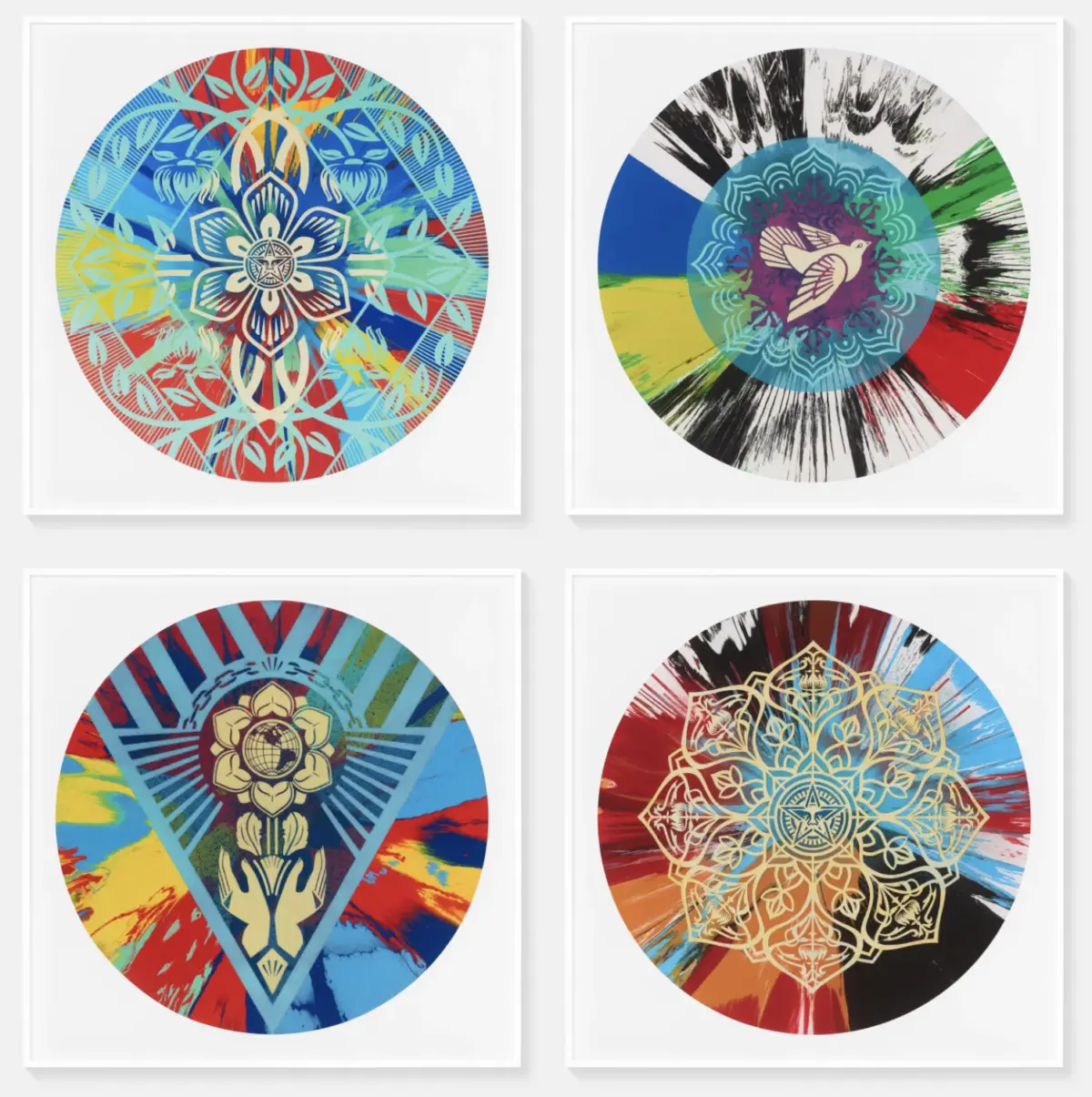
Hirst’s Catholic upbringing gave him an early education in the power of dramatic visual symbolism. That religious imagery carried straight over into his art, and you can see it right away in his kaleidoscopic butterfly canvases, which copy the symmetry and glow of Gothic stained-glass windows.
The influence goes beyond aesthetics, though; it reaches into the Church’s system of faith and devotion. It is right there that his Catholic background merges with another lifelong obsession: pharmacology.
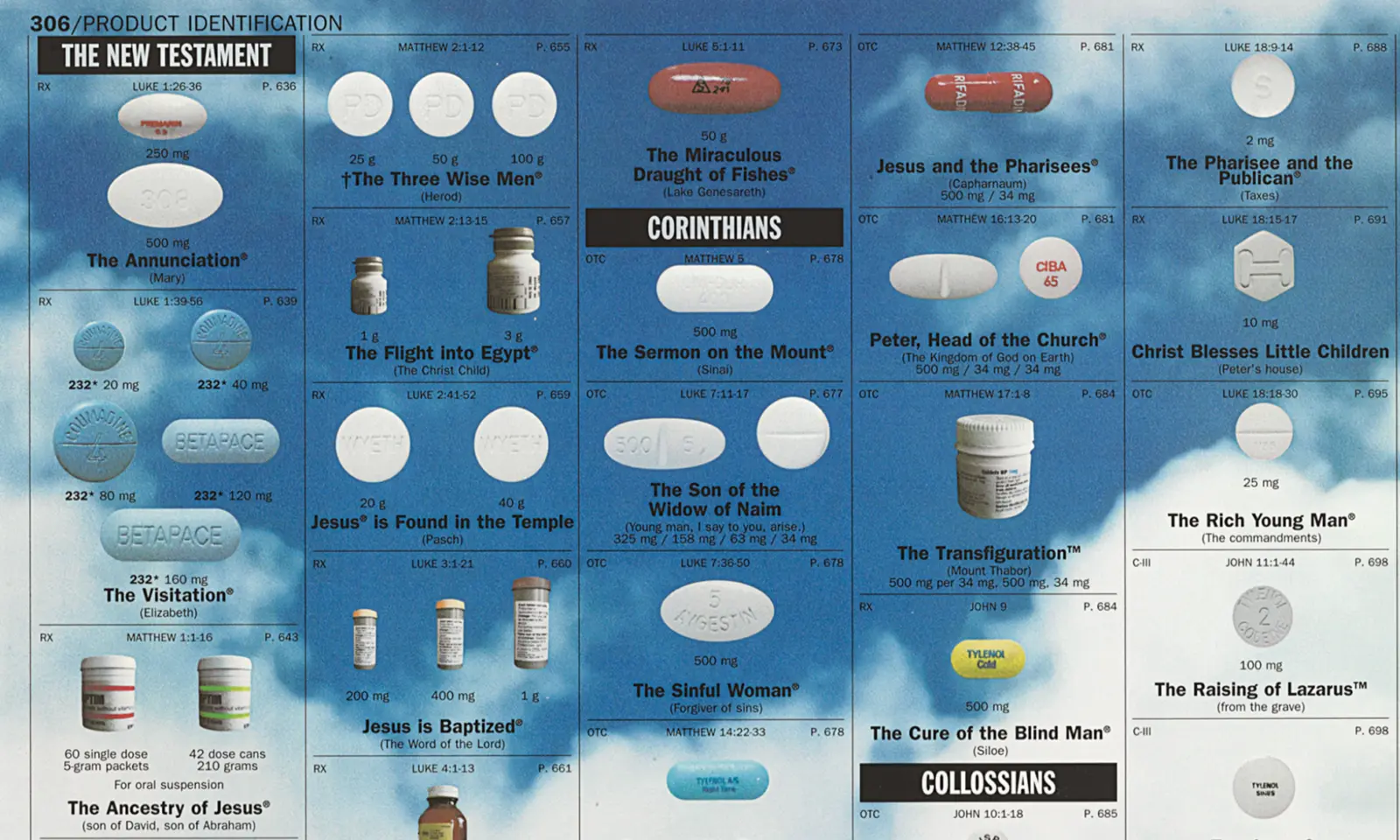
Hirst sees the same rituals of trust and hope in both religious faith and medicine. In series like New Religion, he brought both worlds together literally by arranging surgical instruments into altar-like shrines and producing silkscreens that pair biblical scripture directly with clinical drug charts.
While there are plenty of other threads running through Damien Hirst’s career, the ones we explored here add a distinct layer to his practice. They prove his ideas run far deeper than the headlines may suggest.
Understanding the history, memories, and systems an artist draws from changes everything; it bridges the gap between spectator and artwork. When you understand where an artist is coming from, the work finally starts speaking back.