
29 Sept 2026 3 min read
Why Raymond Pettibon Keeps Returning to the Wave
For more than 40 years, across works on canvas, paper, and prints, the wave has been a leitmotif in his work - yet no two are ever the same.
Raymond Pettibon grew up in Hermosa Beach, California, with surf culture all around him. His parents thought the sport too dangerous and its equipment too expensive, so he watched from the shore. By the late 1970s, he was making drawings for the punk band Black Flag, founded by his brother Greg Ginn. Then, in 1985, the wave entered his work. What began as a local image became one of the most recognisable subjects in contemporary drawing.
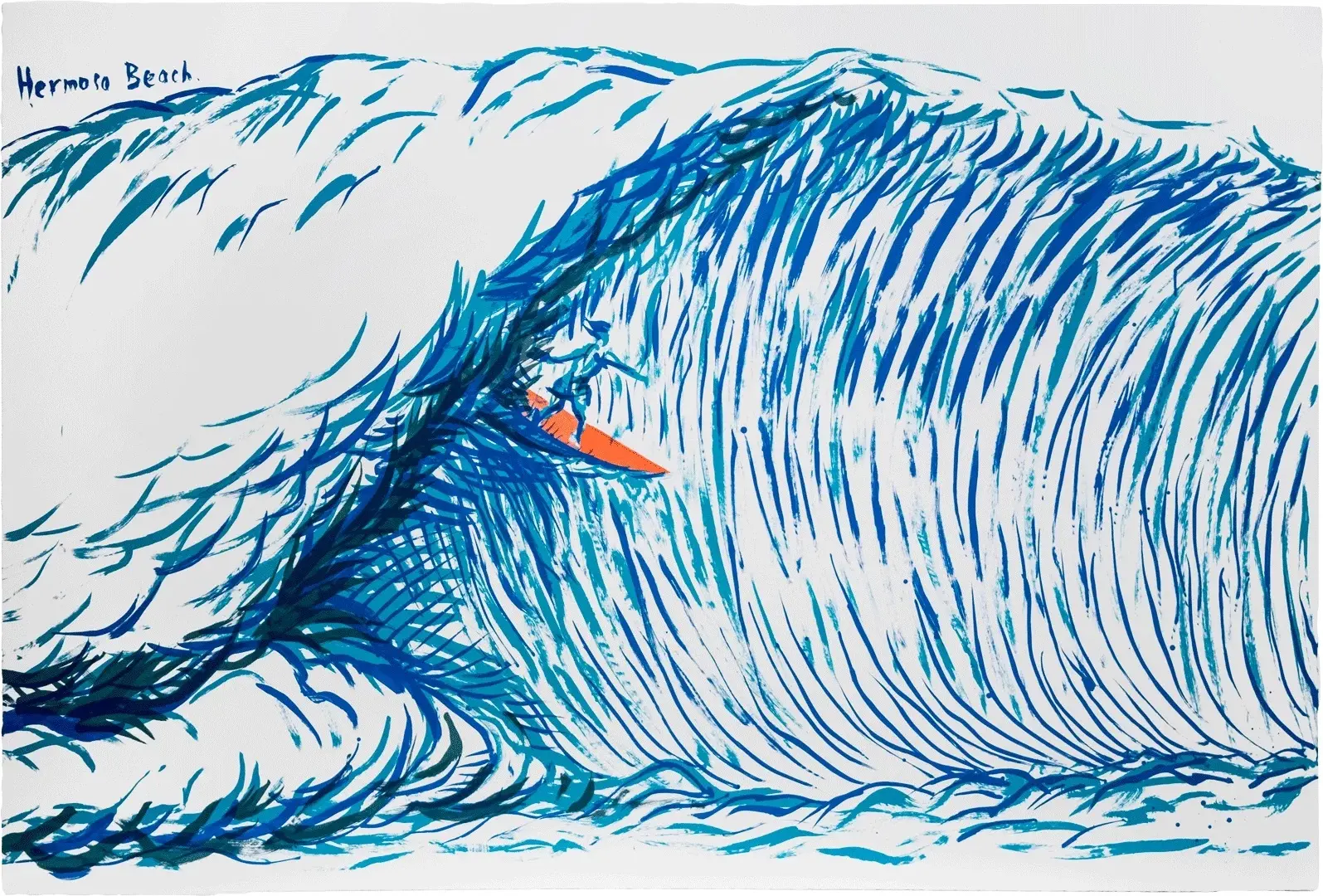
Raymond Pettibon, Untitled (Hermosa Beach), 2019
Pettibon’s waves are vast, but the surfer is often barely a mark. That difference in scale gives the pictures their charge. The figure looks impossibly vulnerable and, at the same time, capable of riding through. Pettibon has connected big-wave surfing to the sublime: nature seen at its most beautiful and most frightening. He has cited Turner and Caspar David Friedrich, placing these Pacific swells in conversation with the great landscapes of art history.
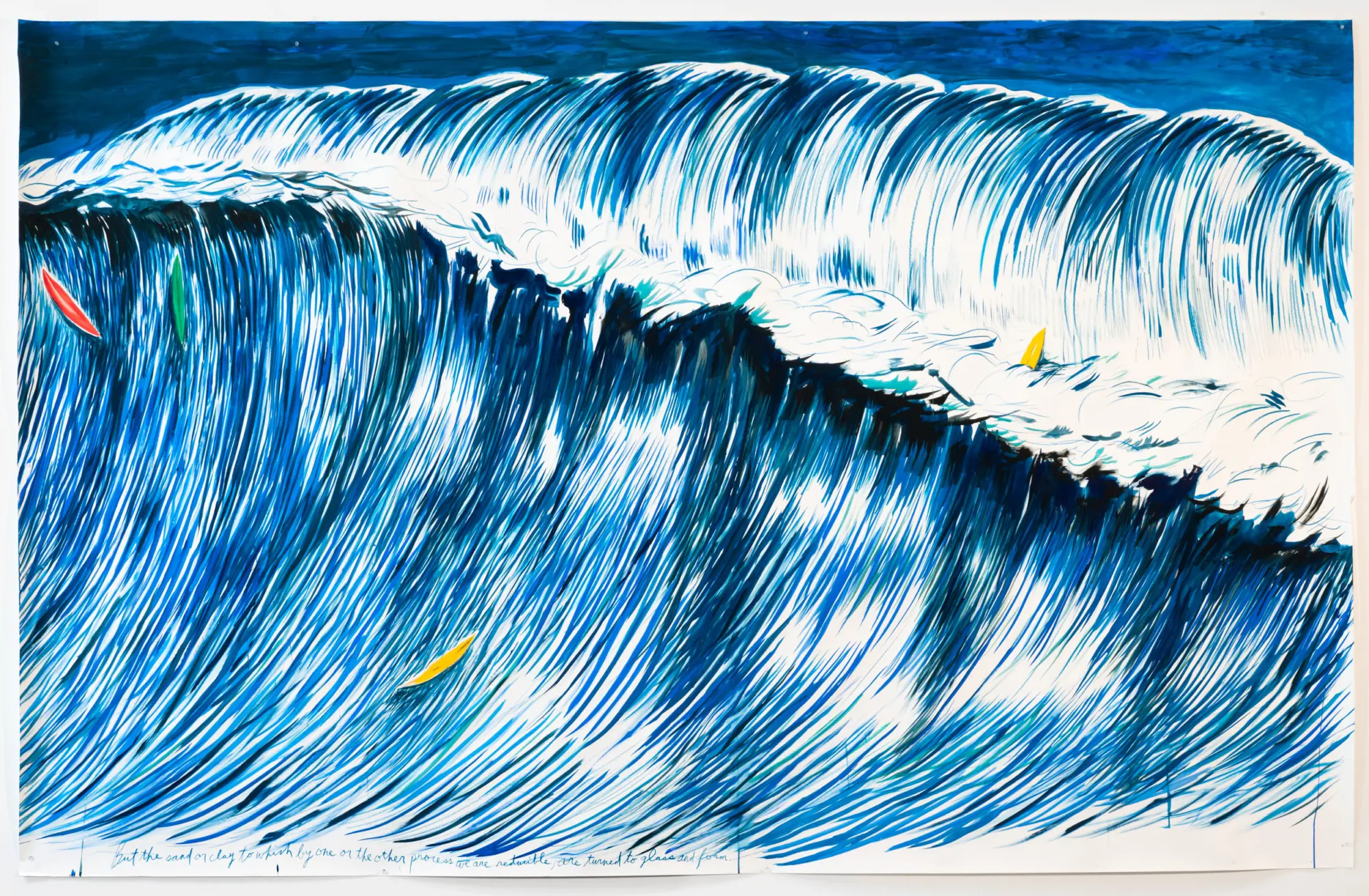
Raymond Pettibon, No Title (But the sand...), 2011
The wave also lets Pettibon do something he loves: bring movement, image and language together. The artist has stated that surfing has a fluidity he can capture without relying on cartoonish lines. His handwritten words rarely settle what we are seeing. They can make an apparently triumphant ride feel ominous, or find a moment of calm beneath the breaking water. The surfer’s fate remains open. That uncertainty draws us back into the image.
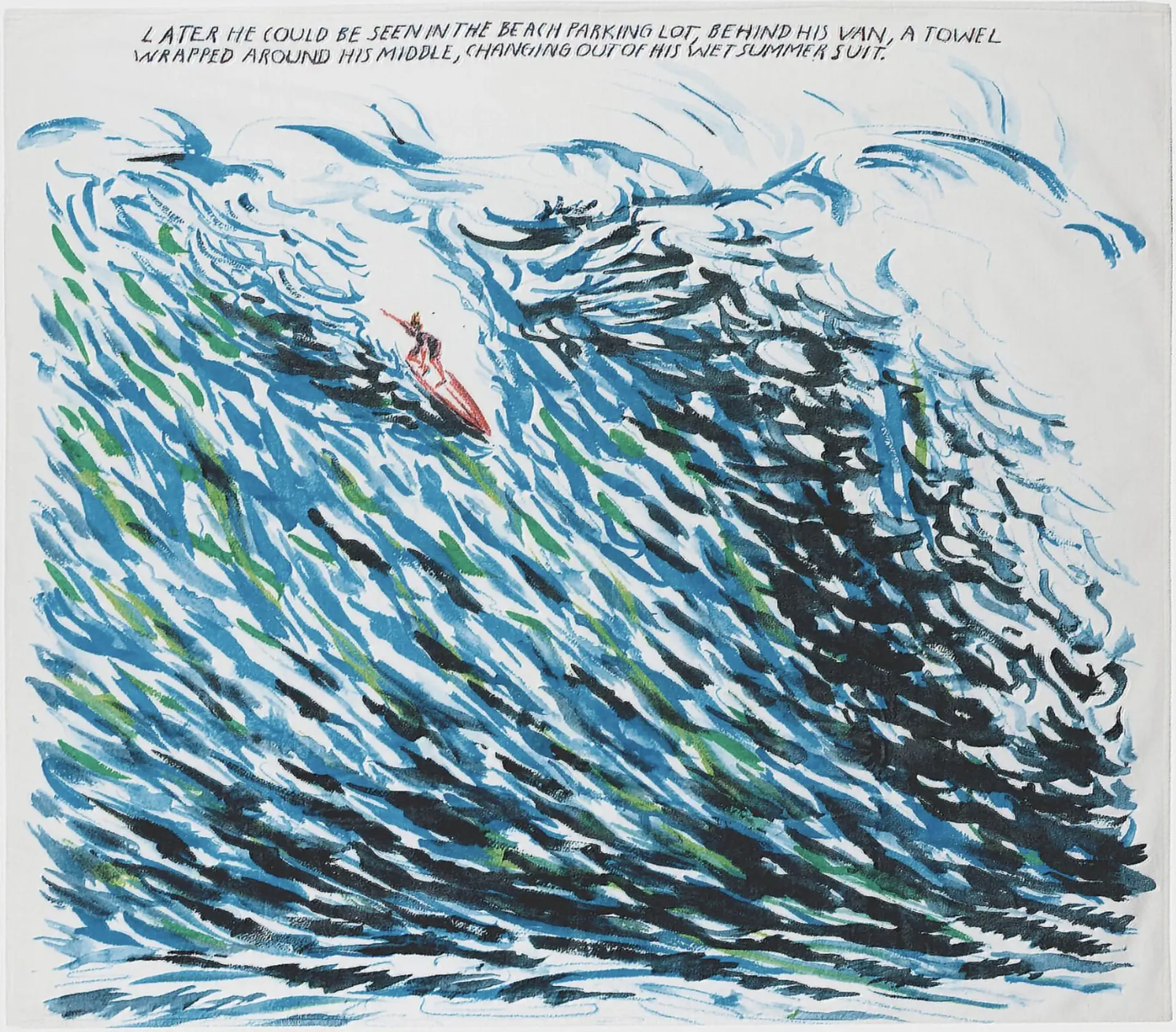
Raymond Pettibon, Untitled (Late He Could), 2009
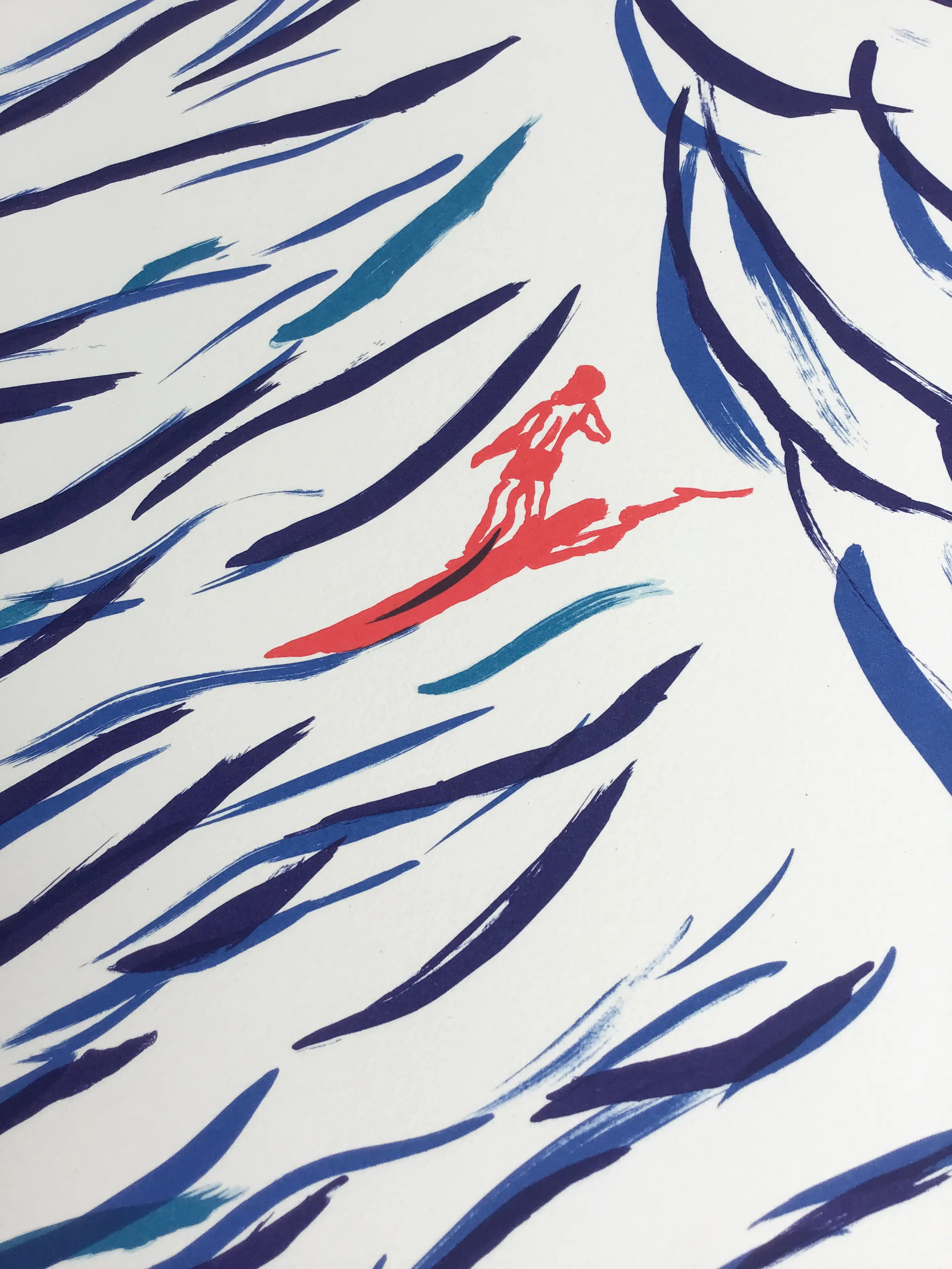
No Title (Our Secret Spot) brings the motif into sharp focus. This six-colour lithograph, from an edition of 35, places a solitary surfer against a towering swell. It was printed in New York at Derriere L’Etoile Studios, where Pettibon has worked with master printer Maurice Sanchez for more than two decades. The deep blue and quick, energetic marks draw you into the scene, while the tiny red rider gives it a sense of immediacy.
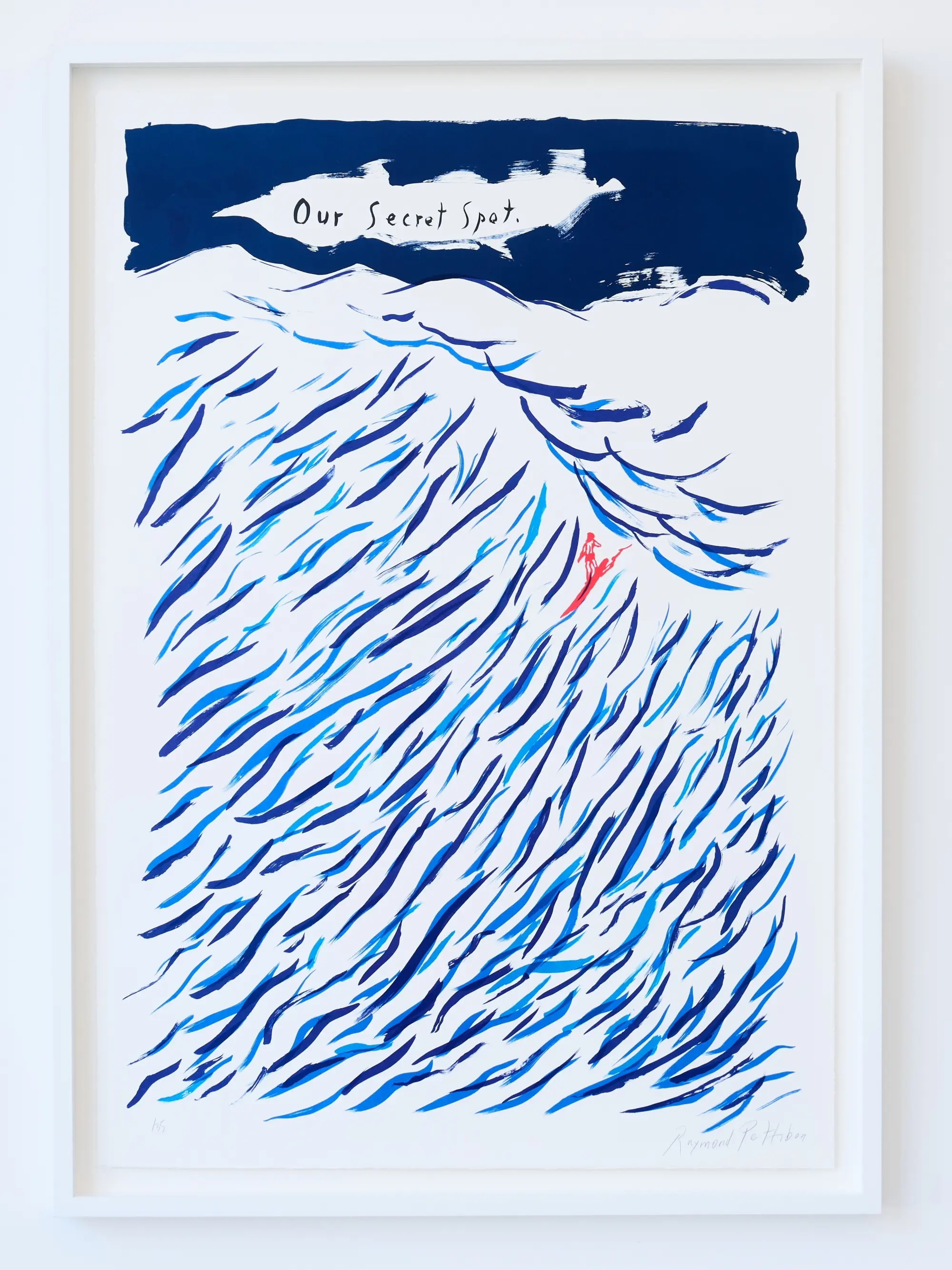
Raymond Pettibon, No Title (Our Secret Spot), 2022
In Don’t Complicate The Moral World, the familiar blue gives way to red. A small surfer is surrounded by forceful red and black marks, while the title’s blunt instruction hangs above the turmoil. It is hard to follow such a neat command when the world below it looks anything but simple. This edition of 30 recalls Pettibon’s No Title (Don’t complicate the...), a 1987 drawing held by the Museum of Modern Art in New York.
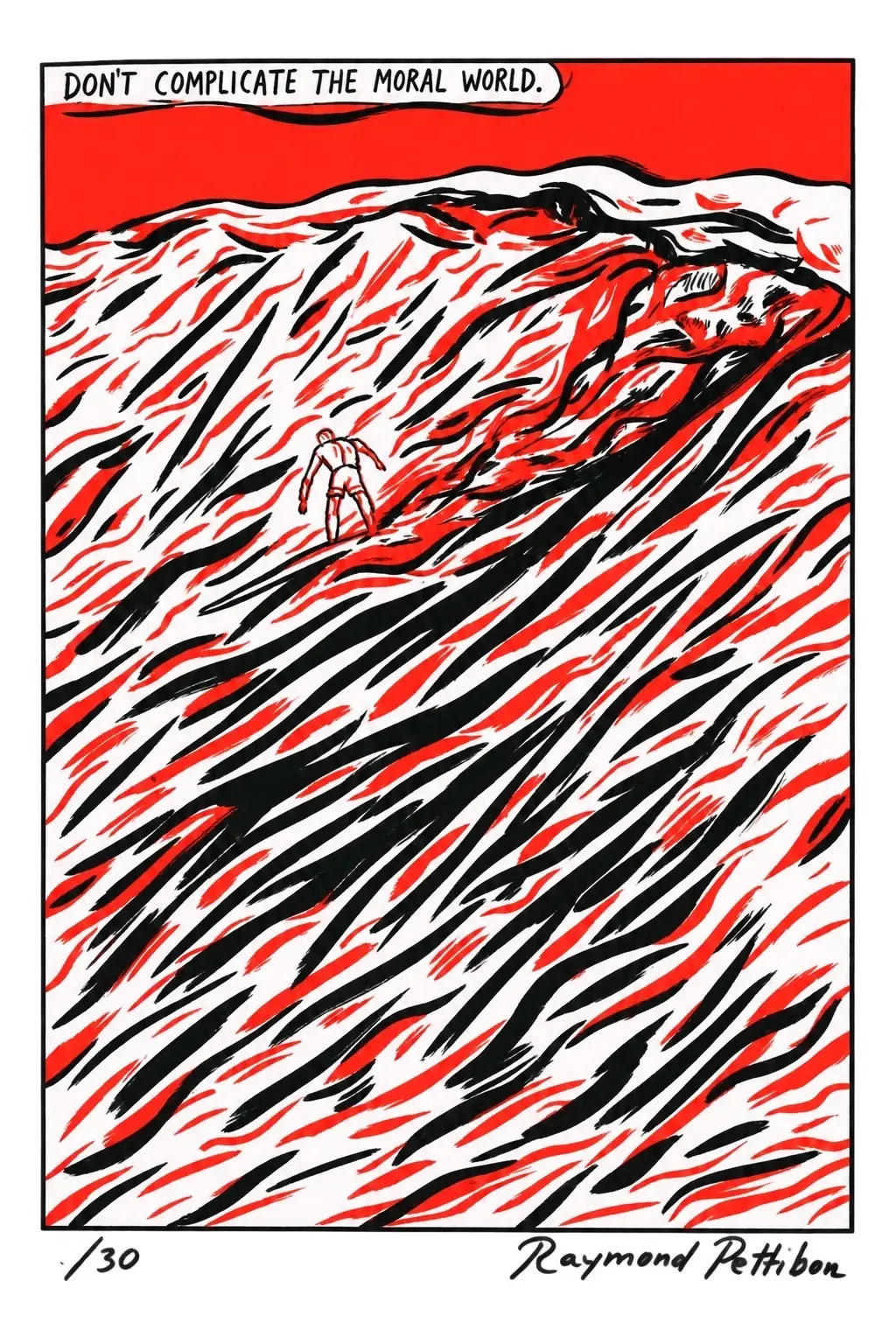
Raymond Pettibon, Don't Complicate The Moral World, 2026
Why keep returning? Pettibon has said that every wave he makes differs from the last, and that he is still learning whenever he picks up a brush or pen. The sea gives him a subject that will never hold still or yield a final answer. In Our Secret Spot, the surfer has found a place within its force, if only for a moment. The wave is about to break. What happens next is ours to imagine.
Works Available
Enquire hereContributors
Louis Denizet
More about Andy Warhol
-
22 Sept 2026 3 min read
Inside the $6.7 Million Warhol Fraud, and What It Means for Collectors
Imagine spending millions on what you believe is a pristine collection of Andy Warhol prints, only to discover you've bought...
-
25 Aug 2026 5 min read
Andy Warhol’s Flowers: How the Humble Hibiscus Became a Pop Icon
From delicate hand-drawn roses to electric hibiscus blooms, flowers were a recurring motif throughout Andy Warhol's career. At once beautiful...
-
25 Aug 2026 5 min read
Keith Haring: Drawing the Dolphin
At first glance, Keith Haring’s "Man On Dolphin" appears playful and uncomplicated. Look a little closer, however, and the scene...
-
03 Jul 2026 5 min read
The Hang - Your Quarterly Art Market Briefing | Q2 2026
What moved the market, made headlines and mattered most this quarter. Digest the important moments of Q2 with The Hang.
-
08 Jun 2026 4 min read
Warhol Wows at Auction
The spring auction season has delivered another powerful endorsement of Andy Warhol's enduring market appeal, with strong results recorded across...
-
26 Mar 2026
Renewed Momentum: The Global Art Market Enters a New Phase of Growth
The global art market has returned to growth, driven by renewed strength at the high end and a more balanced...
-
08 Jan 2026
Why January is the Best Time to Buy
January is often seen as a pause in the art world. In reality, it is one of the most constructive...
-
04 Jan 2026 3 min read
Andy Warhol and Brigitte Bardot
Brigitte Bardot became one of the defining faces of modern celebrity, and Andy Warhol recognised in her image the perfect...
-
21 Nov 2025 7 min read
Why Collectors Are Obsessed with Warhol’s Endangered Icons?
Andy Warhol’s 1983 Endangered Species series transformed threatened animals into pop culture icons, using his bold, technicolour style to spotlight...
-
13 Oct 2025 3 min read
Your London Art Week Guide 2025
London Art Week has arrived, and with so much going on, we have done the legwork so you have a...
-
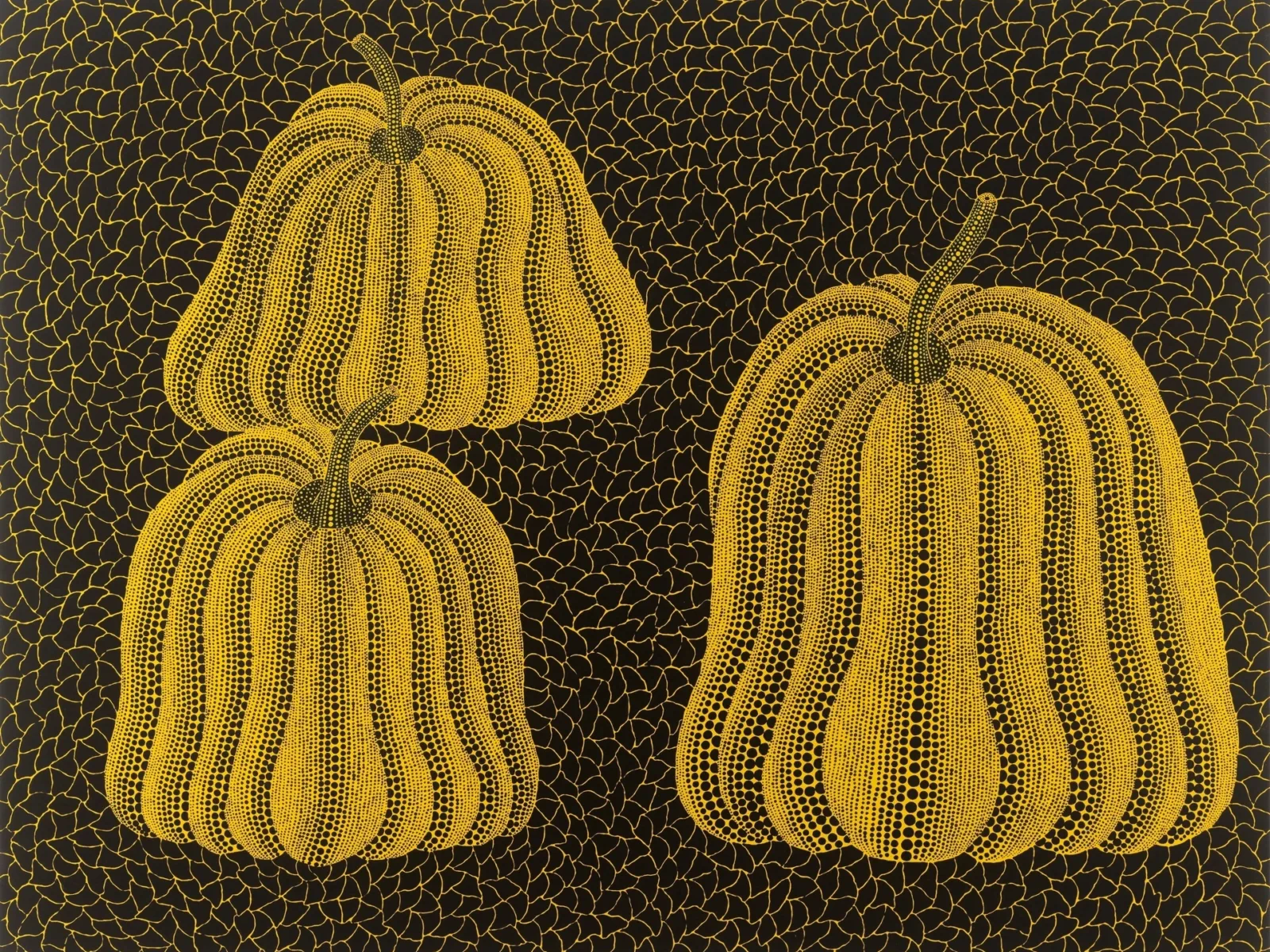
13 Oct 2025 2 min read
Market Watch: Kusama Auction Results
The start of the autumn season has seen some great results for Yayoi Kusama. We've compiled the showstoppers that may...
-
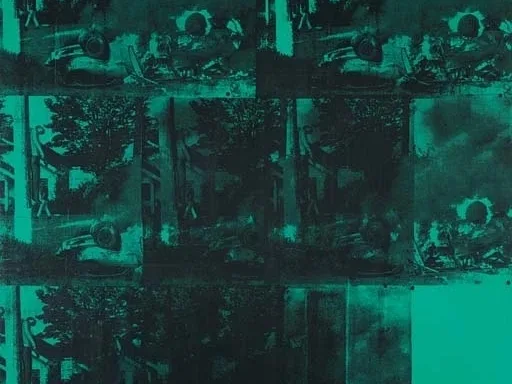
07 Oct 2025 2 min read
Top 5 Selling Warhol Works
We take a look at the top prices paid at auction for complete sets of screenprints created by Andy Warhol
More from Artists
-
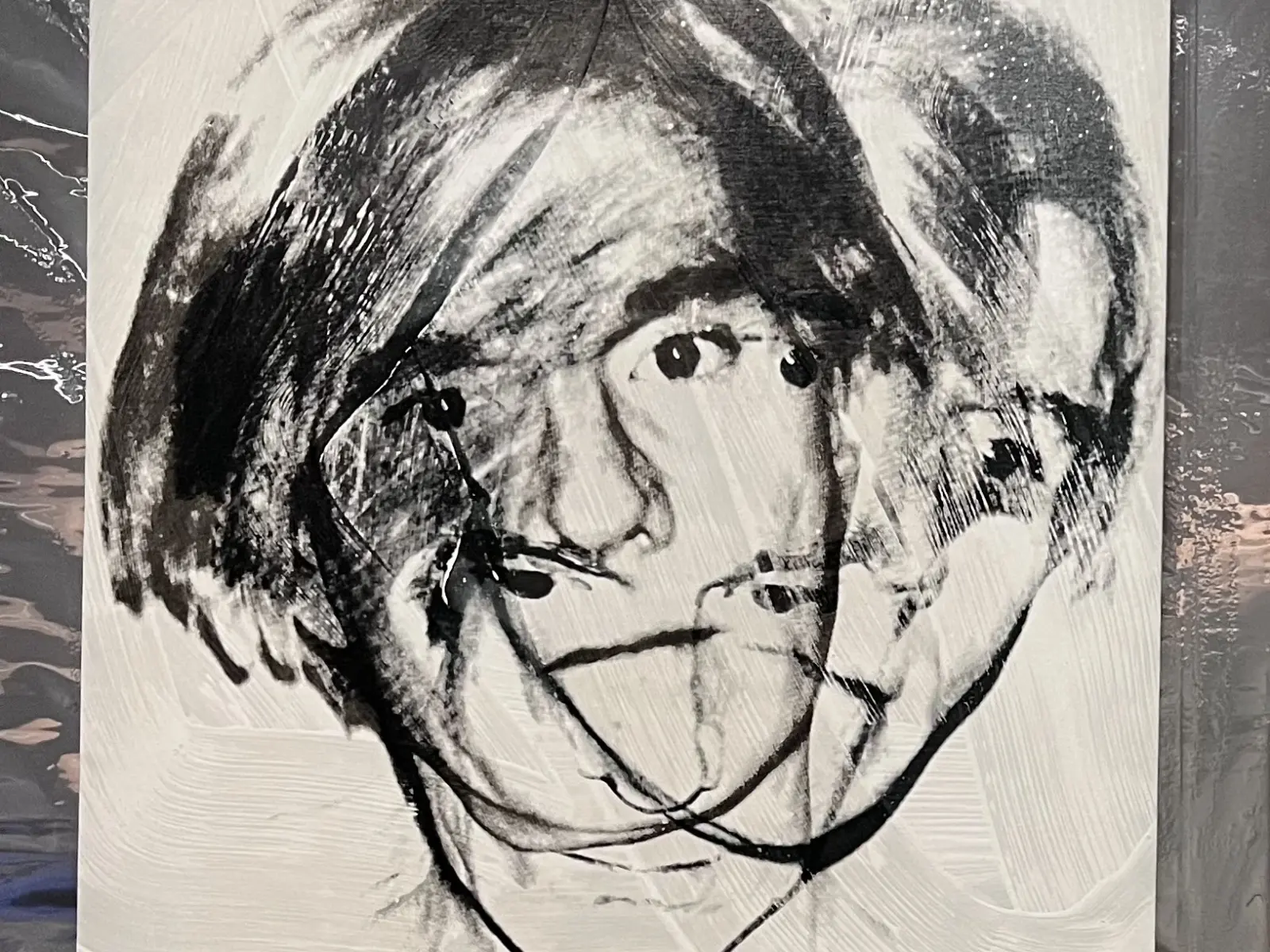
06 Oct 2026 4 min read
Warhol Without Limits: Rare Works Revealed
Think you know Warhol? Look again. Behind the celebrity portraits lies a wealth of drawings and rare prints that reveal...
-
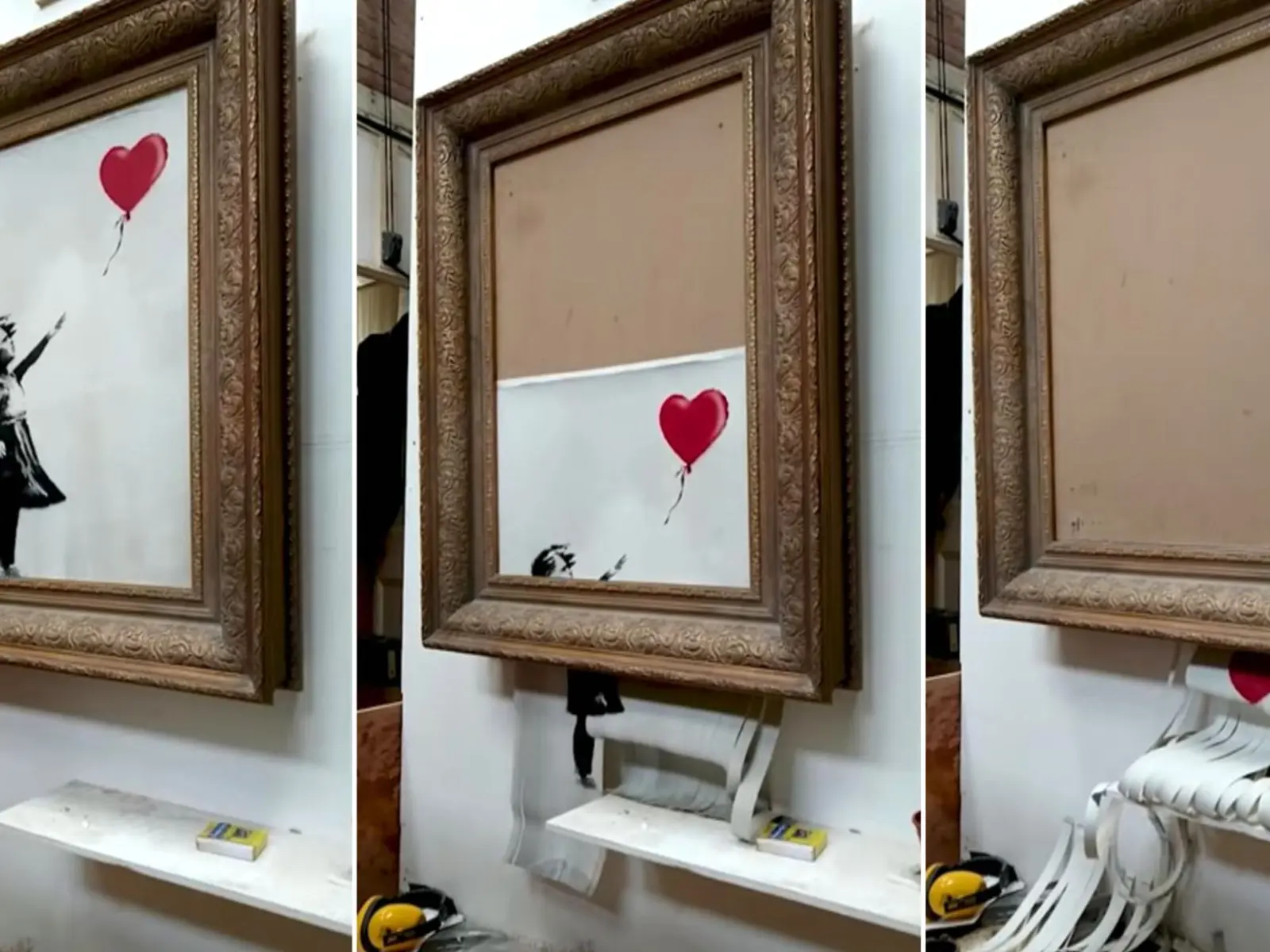
05 Oct 2026 4 min read
Banksy, Self-destruction and the Art of the Spectacle
Eight years ago, one of the most talked-about moments in contemporary art unfolded in the middle of a Sotheby’s auction...
-
29 Sept 2026 4 min read
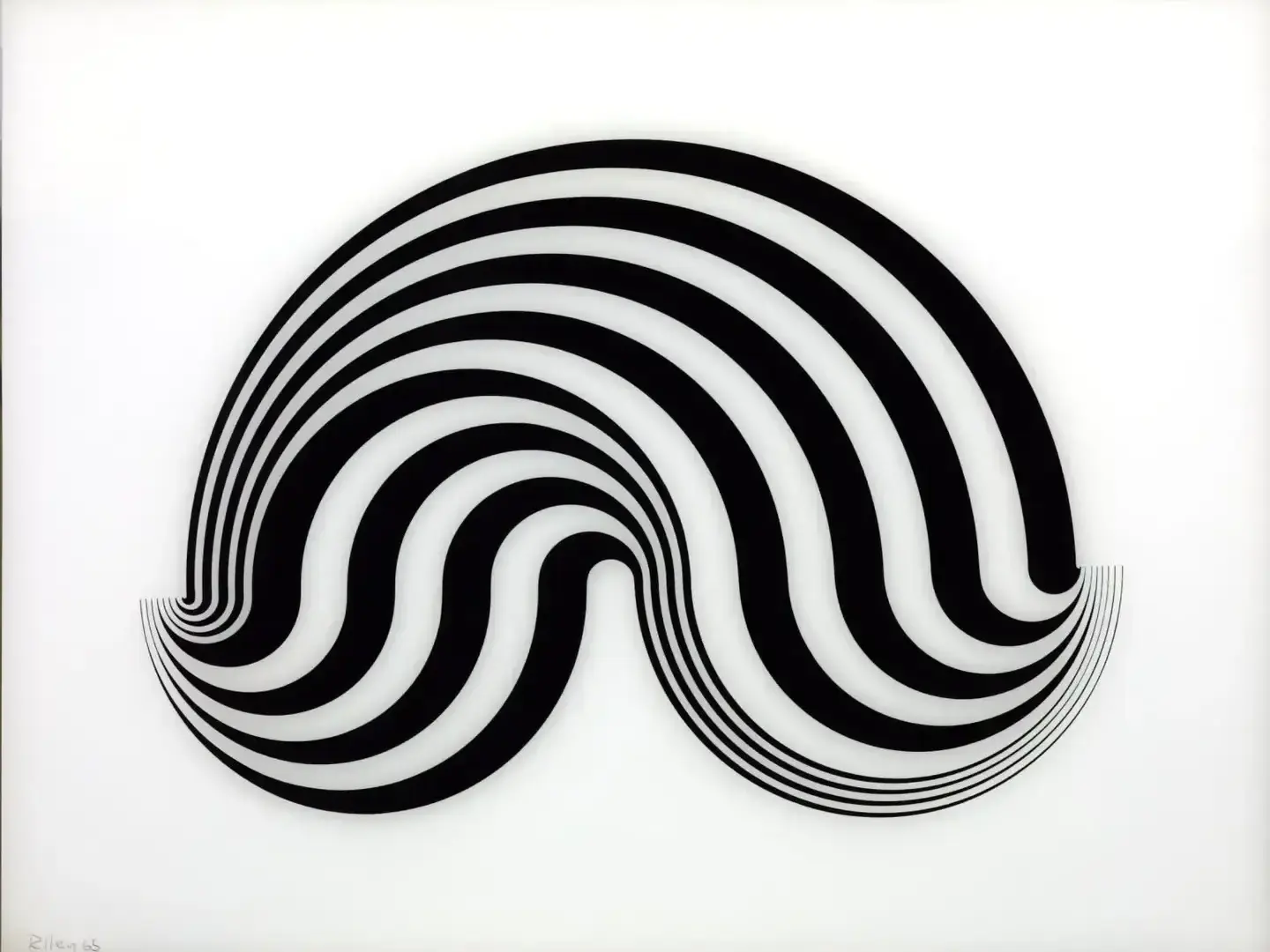
From Vasarely to Egypt: 5+1 Influences to Unpack Bridget Riley’s Practice
If you’ve ever stood in front of a Bridget Riley painting, you know that looking at her work is a...
-
27 Aug 2026
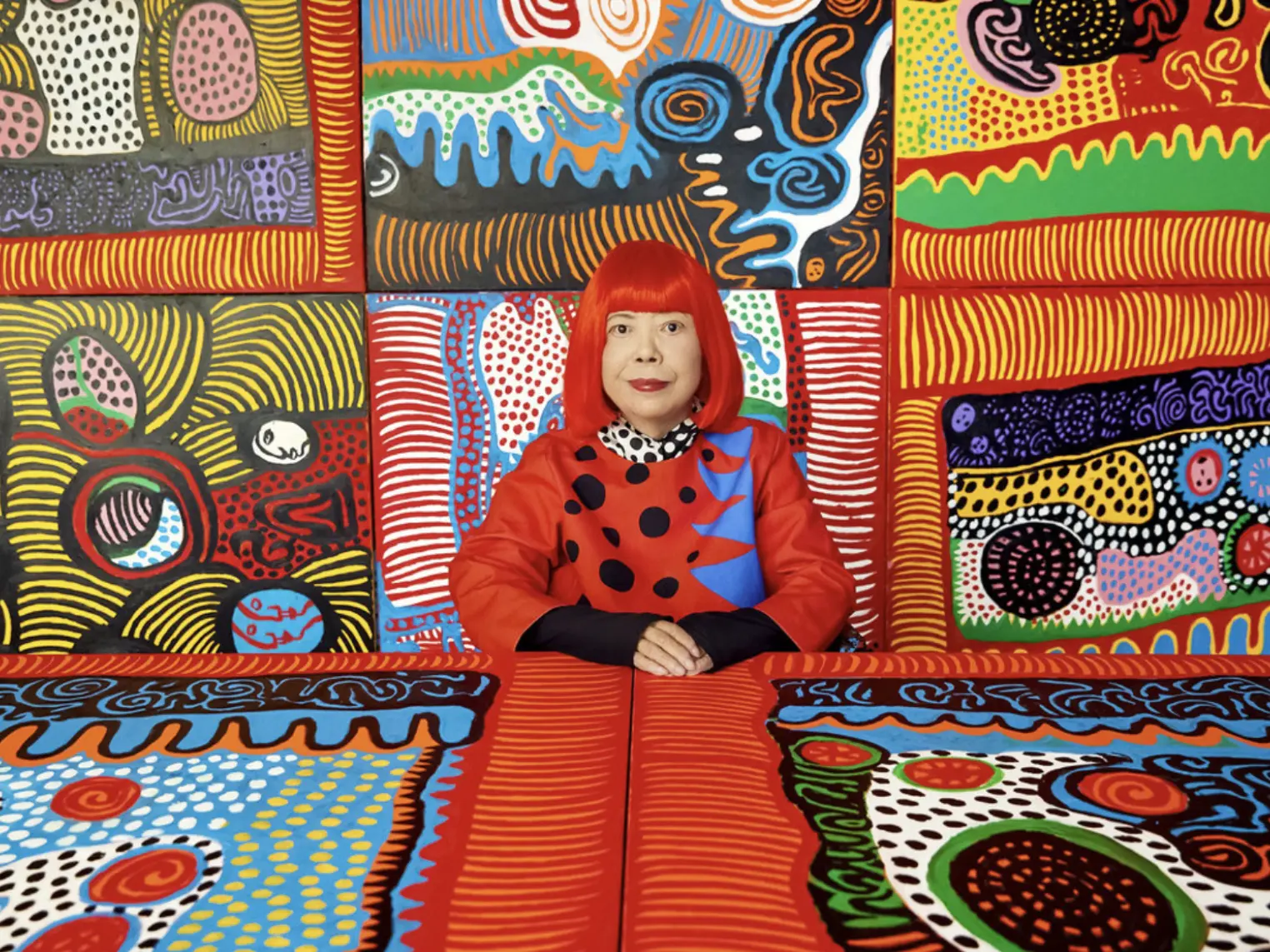
Yayoi Kusama: 1929-2026
Arguably the most important Asian artist of the century and one of the most influential women to shape the global...
-
25 Aug 2026 5 min read
Andy Warhol’s Flowers: How the Humble Hibiscus Became a Pop Icon
From delicate hand-drawn roses to electric hibiscus blooms, flowers were a recurring motif throughout Andy Warhol's career. At once beautiful...
-
25 Aug 2026 5 min read
Keith Haring: Drawing the Dolphin
At first glance, Keith Haring’s "Man On Dolphin" appears playful and uncomplicated. Look a little closer, however, and the scene...
-
10 Aug 2026 3 min read
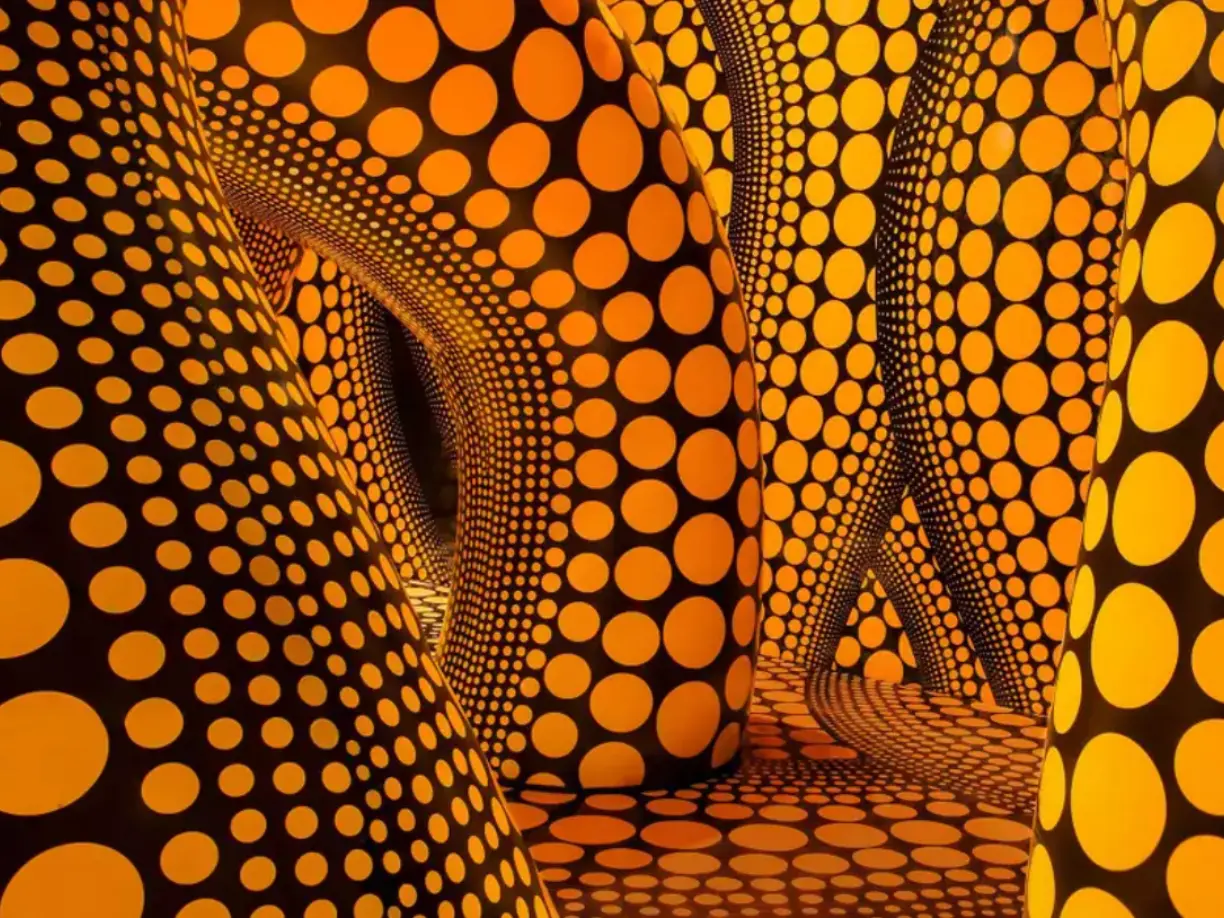
Yayoi Kusama breaks visitor records in Cologne
The record-breaking Yayoi Kusama exhibition at Cologne’s Museum Ludwig drew 480,335 visitors; the highest attendance in the museum’s history, before...
-
23 Jul 2026 2 min read
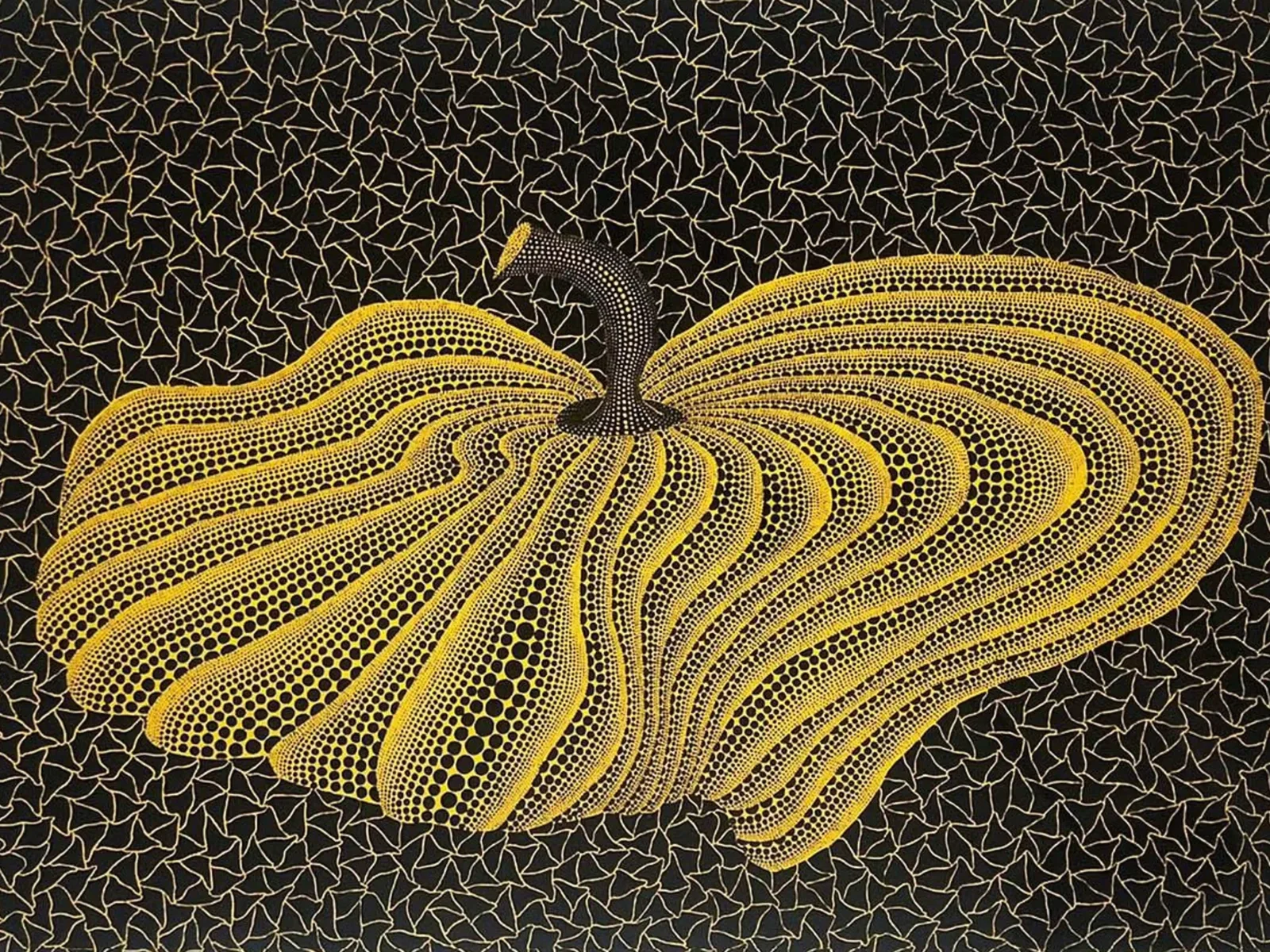
A Reoccurring Motif: Pumpkins Across Kusama's Artistic Practice
The pumpkin is one of Yayoi Kusama's most enduring motifs, embodying themes of memory, repetition, comfort, and transformation that recur...
-
20 Jul 2026 3 min read
Collector's Guide: Damien Hirst | Spots
Once you become synonymous with an image, have you hit the big time? There are 3 main subjects that Damien...
-
13 Jul 2026 3 min read
Collector's Guide: Bridget Riley | Lozenges Series
Take a deep dive into one of Bridget Riley's most acclaimed series: Lozenges.
-
05 Jul 2026
David Hockney - A Life of Looking
David Hockney has died aged 88. He was artist who will be remembered for an illustrious career that spanned many...
-
22 Jun 2026
A Life Size example of Banksy’s Love Is In The Air Headlined Sotheby’s Evening Sale
One of Banksy’s most enduring images headlined Sotheby’s Modern & Contemporary Evening Auction in London this week, as Love Is...